 THEBUSINESSBYTES.COM Fast. Focused. Future-ready

THEBUSINESSBYTES BUREAU
NEW DELHI, MAY 21, 2025
In a significant stride towards transforming the lives of vulnerable communities, SOS Children’s Villages India has enabled families across the country to achieve remarkable financial independence through its flagship Family Strengthening Programme (FSP). Operating across 28 locations in 22 states, the initiative has helped participating families increase their incomes by up to 322 per cent over a five-year period.
Launched in 2003, the Family Strengthening Programme is rooted in the belief that every child deserves to grow up in a safe, nurturing family environment. By providing economic support, skill development, and access to essential services, the programme ensures that children remain with their biological families rather than being placed in institutional care.
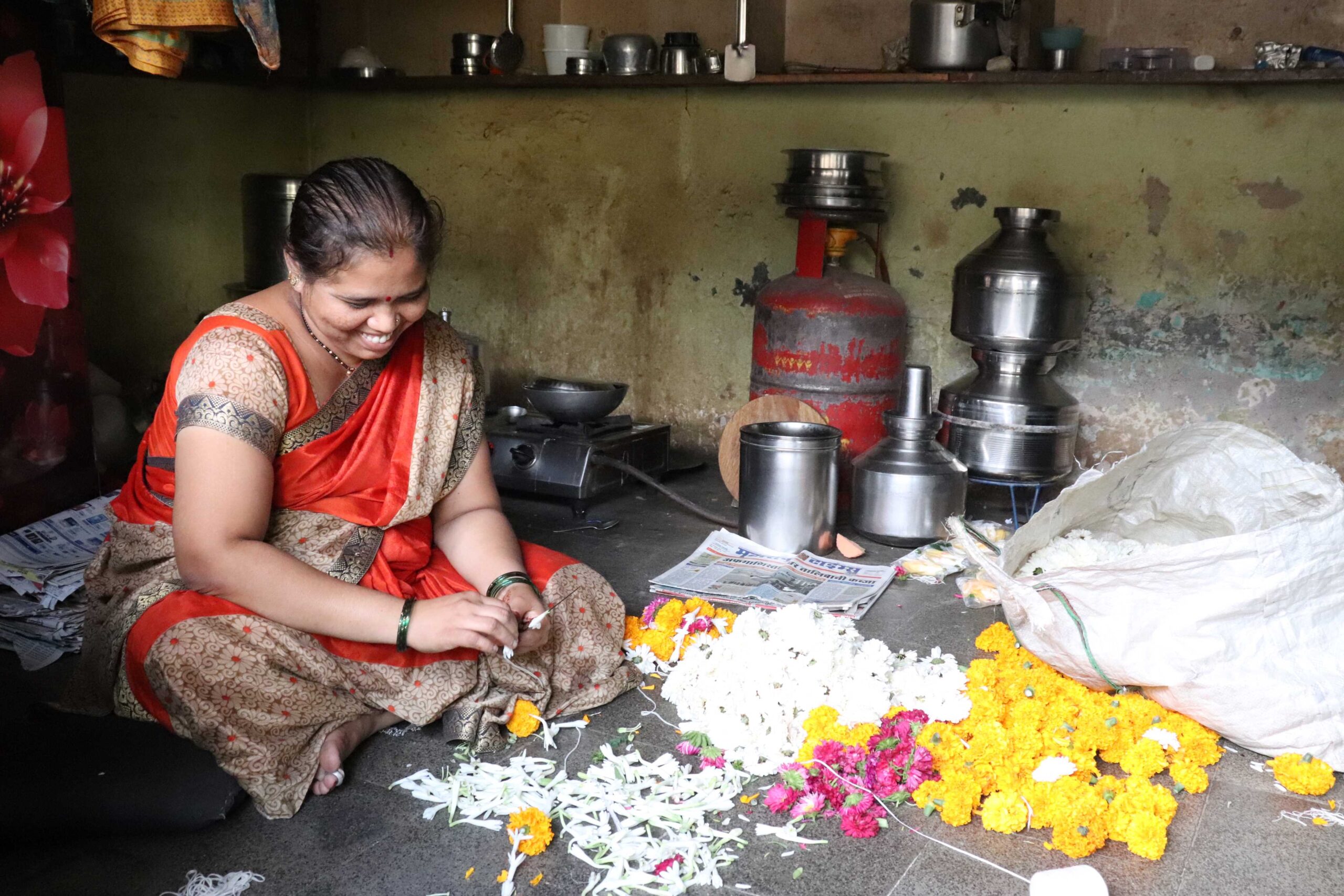 “At the heart of our Family Strengthening Programme is the empowerment of women caregivers,” said Sumanta Kar, CEO, SOS Children’s Villages India. “These women have emerged as confident, independent contributors to their families’ well-being. Self Help Groups now maintain community corpus funds ranging from Rs 5 to 7 lakh, every family has access to formal banking, and school enrolment among children is 100 per cent — with zero dropouts. Parents now independently manage their children’s education and nutrition, supported by regular health check-ups, health camps, and ration support. Our Bal Panchayats further nurture leadership among children, encouraging civic awareness and community involvement.”
In 2024 alone, the programme directly reached 72,616 individuals, including 32,924 children and youth, offering a comprehensive safety net that includes income generation, healthcare, education, youth employability, and linkage to government welfare schemes. These interventions have significantly reduced the risk of family breakdown due to socio-economic pressures.
SOS India’s holistic model is firmly aligned with the UN Convention on the Rights of the Child, reinforcing the principle that the family is the foundational unit of society. The FSP identifies children aged 5–12 at risk of losing parental care through community outreach, field surveys, and collaborations with local authorities. Once identified, families are supported through tailor-made Five-Year Family Development Plans, with ongoing monitoring and hand-holding.
Livelihood support under the programme includes setting up petty shops, tailoring units, livestock rearing, and vending enterprises, selected based on each family’s skills, market needs, and capital availability. Adolescents aged 17 and above are linked with certified vocational training programs through institutional partners, followed by job placement assistance to ensure sustained income.
“The Family Strengthening Programme exemplifies sustainable development in action,” Kar added. “By empowering families with tools for self-reliance, we’re not just improving income levels but building resilience for future generations.”
Established in 1964, SOS Children’s Villages India is the country’s largest self-implementing childcare NGO. It provides a wide range of care solutions, including Family-Like Care, Kinship Care, Foster Care, Youth Skilling, Short Stay Homes, Special Needs Childcare, and Emergency Childcare, ensuring a value chain of support for children without parental care or at risk of losing it. Today, over 6,500 children are nurtured in more than 440 family homes within 32 SOS Children’s Villages across 22 States and Union Territories, cared for by dedicated SOS Mothers and Aunts.
With a reach of over 65,000 children annually and a total impact on more than 83,000 lives, SOS Children’s Villages India continues to lead the way in building resilient communities where every child can thrive.


Leave a Reply