 THEBUSINESSBYTES.COM Fast. Focused. Future-ready

India can avoid China’s EV oversupply crisis by adopting phased incentives, boosting infrastructure, and focusing on quality-driven, demand-led growth, writes Pradyumna K Panda
As the global electric vehicle (EV) race intensifies, India stands at a pivotal crossroads. While aiming to scale up its EV ecosystem, it must navigate this transition carefully — mindful of the cautionary tale unfolding in China.
China, the world’s largest EV producer with over 70 per cent of global output in 2024, is currently grappling with a critical imbalance. Years of aggressive investment — bolstered by approximately $230 billion in subsidies between 2009 and 2023—have culminated in production volumes outpacing demand. The result: a saturated market, fierce price wars, and mounting inventories. Retail EV prices in China have dropped by nearly 19 per cent in just two years, with some major players slashing prices by over 30 per cent to clear unsold stock. Notably, an estimated 3,000 to 4,000 vendors are now selling “zero-mileage” vehicles — technically used cars that have never hit the road.
India, still in the early stages of its EV revolution, has a valuable opportunity to chart a more sustainable and resilient path. A key lesson from China is to avoid long-term, blanket subsidies that risk distorting market dynamics. Instead, India could opt for phased, performance-linked incentives that encourage innovation and self-sufficiency while gradually tapering off as the industry matures.
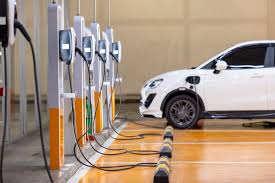 Demand-side development must be prioritized. This includes investing heavily in charging infrastructure, battery-swapping networks, and consumer awareness campaigns. Only when demand rises organically will supply find meaningful footing, avoiding the pitfalls of overproduction.
Moreover, quality must trump quantity. A blind race to expand manufacturing capacity or reduce costs could dilute product standards. Focused investment in R&D — especially in battery innovation, efficiency, and performance — can help India lead with technological depth rather than sheer volume.
Another cornerstone is supply chain resilience. Building a domestic EV component ecosystem — from mining critical minerals to manufacturing cells and battery packs — will reduce dependency on volatile global markets. Strategic foresight, powered by real-time data, forecasting, and market intelligence, will be critical in assessing future demand and making informed policy and investment decisions.
Finally, India must look beyond the production phase. As the EV sector matures, responsible end-of-life management — including scrapping policies and battery recycling frameworks — will be essential for environmental sustainability and circular economy practices.
India’s EV roadmap doesn’t need to reinvent the wheel, but it must steer clear of the mistakes made by others. With smart policy design, infrastructure investment, and a long-term innovation mindset, the country can drive a cleaner, stronger, and more balanced EV future.


Leave a Reply