 THEBUSINESSBYTES.COM Fast. Focused. Future-ready

THEBUSINESSBYTES BUREAU
BHUBANESWAR, OCTOBER 27, 2025
In a compelling grassroots revelation, 81 per cent of Kalahandi residents believe that initiating bauxite mining will unlock jobs, infrastructure, and long-awaited prosperity, according to a new community survey by NGO SWAARA (Social Welfare and Women & Child Advancement in Rural Area) — a grassroots community development organisation.
The report, titled “Kalahandi Speaks on Development and Mining,” highlights an urgent call from one of India’s most underserved regions — strongly linking progress to industrial growth and the opening of bauxite mines.
Covering 600 respondents across 12 villages, including Nangalbeda, Champadeipur, Pratappur, Golangbandha, and Batelima, the survey found that 80 per cent of youth support mining for stable employment, while 60 per cent of all respondents strongly associate mining with job creation and livelihood opportunities.
With more than half demanding immediate government approval for mining projects, the message is clear — Kalahandi’s people are ready for transformation, and they see bauxite mining as the key.
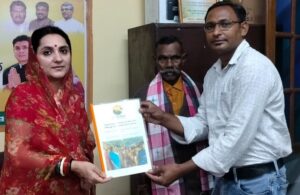
The findings were presented to Kalahandi MP Malvika Devi, who welcomed the report and commended the community for voicing their aspirations through constructive dialogue.
The survey captured views from a cross-section of residents — farmers, students, daily wage earners, housewives, unemployed youth, and government employees. Respondents expressed strong sentiments toward better employment opportunities, improved infrastructure, and empowerment through education and healthcare.
 Notably, 84 per cent of women demanded fully equipped healthcare centres in villages, stressing that access to quality health services is essential for improving living standards and enabling women to contribute more productively to their families and communities.
Among men, 65 per cent highlighted livelihood and job creation as their top priorities. For youth, the connection between mining and employment was especially strong — 65 per cent said they want to work in their own villages, allowing them to stay close to aging parents and reduce migration pressures.
Farmers, too, expressed optimism that industrial progress would bring modern agricultural programmes, better market access, and increased rural incomes.
Commenting on the findings, Jyoti Das, Secretary of SWAARA, said: “This survey captures the heartbeat of Kalahandi. People are not asking for aid — they are asking for the opportunity to shape their own future. From jobs to healthcare to infrastructure, the message is clear: development must reach every household. Bauxite mining is seen as the trigger that can unlock this transformation — creating employment while funding schools, hospitals, and roads.”
The survey marks a turning point in Kalahandi’s development narrative. For decades, the region has struggled with poverty and migration, but now its people are demanding growth, dignity, and inclusion.
With strong local backing for industrialization, communities see the opening of bauxite mines not merely as an economic activity but as the foundation of a more prosperous, empowered, and self-reliant Kalahandi.
Odisha holds nearly 59 per cent of India’s bauxite reserves, yet the country continues to import over 4.5 million tonnes annually, costing ₹4,000–5,000 crore.
Notably, the Supreme Court’s 2008 judgment by Justice S.H. Kapadia mandates that at least 5 per cent of mining profits must go toward community development, along with stringent ecological safeguards.
However, despite this judicial clarity, bauxite mining in Kalahandi has yet to commence, depriving the state of revenue and job creation while keeping local aspirations in limbo. The issue has recently gained traction across the region, with growing national support and calls for responsible action.
For the people of Kalahandi, the sentiment is unanimous — the time for action is now. They want their region’s natural wealth to be responsibly harnessed, transforming mineral abundance into sustainable growth and long-overdue inclusion in India’s development story.


Leave a Reply