 THEBUSINESSBYTES.COM Fast. Focused. Future-ready

THEBUSINESSBYTES BUREAU
BHUBANESWAR, SEPTEMBER 27, 2025
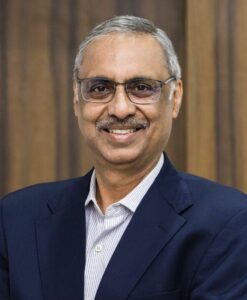
Arvind Singh, CEO, TPCODL
The Government of India’s PM Surya Ghar: Muft Bijli Yojana, launched under the innovative Utility-Led Aggregation (ULA) model, is poised to revolutionize rooftop solar adoption by making it more accessible and affordable for households across the country. In Odisha, power distribution companies (Discoms) are playing a pivotal role in implementing this initiative. In this exclusive interaction, Arvind Singh, CEO of TPCODL (TP Central Odisha Distribution Limited), discusses the scheme’s key features, its unique approach under the ULA model, and how it’s empowering consumers while contributing to a greener future.
Q: To begin with, could you explain what exactly is the PM Surya Ghar: Muft Bijli Yojana and what benefits it offers to consumers?
Arvind Singh: The PM Surya Ghar: Muft Bijli Yojana is a flagship initiative of the Government of India aimed at promoting widespread adoption of rooftop solar systems by making them simple and affordable. Households can avail significant subsidies to install solar panels. For example, systems of 3 kW and above are eligible for a central subsidy of ₹78,000, and the Government of Odisha further supports this with ₹60,000. This nearly ₹1.38 lakh in combined subsidies brings down the installation cost — typically ₹2 to ₹2.1 lakh — making it highly affordable. This helps reduce upfront investment and ensures long-term savings on electricity bills.
Q: The Government has introduced the Utility-Led Aggregation (ULA) Model under this scheme. What does it mean, and why is it important for Odisha?
The ULA model is a game-changer. It allows even households with just a 1 kW contract demand to install rooftop solar systems at a minimal upfront cost — just ₹5,000 plus ₹3,764 for a solar meter. This makes clean energy accessible to middle- and lower-income households that previously found it financially out of reach. In Odisha, this scheme not only reduces household energy expenses but also encourages participation in the state’s clean energy transition.
Q: How does the ULA model differ from earlier rooftop solar schemes?
Unlike earlier models where consumers had to navigate vendors and service providers on their own, the ULA model is led by Discoms. This simplifies the entire process — right from installation and quality assurance to five years of free maintenance — ensuring a seamless and hassle-free experience for consumers.
Q: What kind of savings can a household realistically expect from this scheme?
A 1 kW system can generate around 100 units of electricity per month under good sunlight conditions. This translates to annual savings of up to ₹5,000. Over 25 years, which is the average lifespan of solar panels, the cumulative savings are substantial — not just financially, but also in terms of reducing carbon footprint.
Q: Who is eligible to apply for this scheme in Odisha?
Any domestic electricity consumer with a minimum 1 kW contract demand and at least 100 square feet of unshaded, pucca rooftop space can apply. The straightforward eligibility criteria are designed to ensure widespread participation, especially from small households and middle-class families across urban and rural areas.
Q: Consumers often worry about installation and after-sales service. How are Discoms addressing these concerns?
That’s a valid concern, and it has been addressed head-on in this scheme. Discoms manage the entire process—from site assessment and supply to final commissioning. Plus, consumers get five years of free maintenance, so they don’t have to worry about technical issues or additional costs. Even if they renovate or expand their homes later, the panels can be relocated. This flexibility is a huge advantage.
Q: How resilient are these systems in Odisha’s weather, especially during storms like nor’wester?
The solar panels being installed are designed to withstand wind speeds of up to 180 km/h, making them robust enough to endure seasonal storms. Regular upkeep remains important, and the five-year free maintenance support ensures that the systems remain safe and efficient in Odisha’s climatic conditions.
Q: What is the larger impact of this scheme on Odisha’s sustainability goals?
This initiative democratizes access to solar energy. By empowering thousands of households to become solar producers, we’re not only reducing grid dependency but also lowering overall carbon emissions. It’s also creating public awareness that sustainable energy isn’t just for large corporations — it’s for every home. Odisha has great potential for renewable energy, and this scheme taps into that effectively.
Q: Finally, what message would you like to give to consumers regarding the ULA model and rooftop solar adoption?
My message is simple: now is the right time to go solar. With minimal upfront investment and Discoms taking care of everything — installation, service, and maintenance — households can enjoy long-term benefits like reduced electricity bills, clean energy, and greater energy independence. I urge every eligible household to make use of this opportunity and join us in leading Odisha toward a more sustainable, energy-secure future.


Leave a Reply