THEBUSINESSBYTES
BUREAU
NEW
DELHI, MARCH 13, 2026
Operation Epic Fury
has had an impact of epic proportions on world energy prices, sending crude oil
prices skyrocketing to $120 per barrel just a few days ago. Since then, prices
have remained volatile, keeping the entire energy market on edge. At the centre
of global concern lies the Strait of Hormuz, the world’s most critical
chokepoint, through which nearly one-fifth of global crude oil passes.The
Strait of Hormuz matters significantly for India's energy supplies, but things
currently look manageable. Over the last 11 years, India has actively
diversified the sources of its energy imports. India has also worked to change
the mix of its energy sources, strongly pushing domestically generated
renewable energy.
Imagine if this
crisis had hit India a decade ago. With almost all our oil and gas coming from
the same volatile region and no real alternatives in place, the impact would
have been devastating. Petrol and diesel prices would have shot up
overnightcrippling transport and pushing inflation through the roof.India has
relative remain insulated to the churn caused by the crisis. In comparison, other countries are struggling
significantly. Japan, already burdened by record-high public debt, has become
one of the most vulnerable economies. The gas-reliant UK has seen immediate
price spikes leading to renewed inflation. Nations like Egypt and Turkey are
confronting fresh inflationary pressures. Singapore is dealing with sharp
increases in electricity and petrol costs, while South Korea has resorted to
imposing a fuel price cap for the first time in nearly three decades to
stabilize its economy amid the oil surge.
The current crisis
therefore offers an important reminder; India’s relative resilience today is
not accidental. It is the result of deliberate policychoices made over the past
decade under Prime Minister Narendra Modi to diversify energy sources and
strengthen domestic capacity.
In today’s
interconnected world, no country can be fully self-sufficient in energy. Even
advanced economies rely on global supply chains for fuel, technology and
critical minerals. The real challenge is not eliminating dependence altogether,
but ensuring that a single disruption does not cripple the entire system.
Over the past decade,
India has steadily moved in that direction. Through a strategy of
multi-alignment diplomacy, the country has expanded its crude sourcing network
from 27 countries to over 40, reducing reliance on any single supplier or
region. In the event of supply disruptions in one part of the world, this broader
network provides India with greater flexibility to adjust. Thus not putting all
eggs in same basket has helped us sail through.
At the same time,
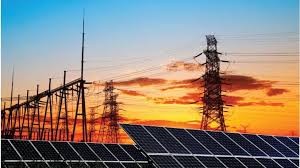
India has accelerated the expansion of its domestic energy capacity. The
country’s total installed electricity capacity has more than doubled in past 11
years and now crossed 520 GW, with more than half coming from non-fossil fuel
sources including renewable energy, hydro and nuclear power. Without this rapid expansion of clean energy,
India would today be far more dependent on imported fuels to meet rising
electricity demand.
One of the other most
visible examples of this shift is the PM Surya GharMuft Bijli Yojana, which
aims to install rooftop solar panels in one crore households. This has enabling
families to generate their own electricity, promoted decentralised energy
production and reduces pressure on conventional power sources.
Beyond lowering
household electricity bills, the programme carries significant long-term
economic and environmental benefits. The initiative is expected to save the
government nearly ₹75,000
crore annually in electricity costs, highlighting how clean energy expansion
can simultaneously strengthen fiscal efficiency and sustainability.
Without such
decentralised solar expansion, rising electricity demand would have placed
greater pressure on fossil-fuel-based power generation, increasing fuel imports
and making India far more vulnerable to global energy disruptions like those
unfolding today.
Such initiatives have
also begun to influence household energy behaviour. As rooftop solar expands
and electricity becomes cheaper, families may increasingly rely on electric
appliances for cooking and other daily needs. Over time, this shift could
reduce India’s dependence on imported LPG as well.
Alongside renewable
electricity generation, India is also transforming its mobility sector through
EV. This shift is strategically important because the transport sector accounts
for a significant share of India’s oil consumption, meaning that electrifying
mobility can gradually reduce long-term crude oil demand. Reflecting this
transition, India’s EV sector has expanded rapidly from just 2,600 electric
vehicles in 2014 to 16.71 lakh EV sales in 2025, signalling the growing
adoption of clean mobility.
Government policies
have played a crucial role in this transition. The FAME-I scheme (2015)
supported around 2.78 lakh EVs, saving nearly 50 million litres of fuel.
As EV adoption grows,
its impact goes beyond cleaner transport. Over time, greater electric mobility
will reduce India’s dependence on imported oil, making the country less
vulnerable to global disruptions like those currently unfolding in the Middle
East. If the rapid expansion of electric vehicles had not taken place over the
past decade, India would have been at tight spot. India would be even more
dependent on petrol and diesel for transportation, exposing the economy to
sharper fuel price spikes and a much larger import bill at a time when global
energy markets are already under severe stress.
The integration of
renewable energy with electric mobility creates a powerful multiplier effect.
Electric vehicles already have significantly lower operating costs than petrol
or diesel vehicles. When EVs are charged using solar power generated at home,
transportation becomes not only cleaner but also significantly cheaper.The
broader impact is both economic and strategic. Lower fuel imports not only
improve air quality and mobility but also shield the economy from external oil
shocks like those currently unfolding in global energy markets.
India has also strengthened its Strategic Petroleum Reserve (SPR) capacity over the past decade to prepare for supply disruptions during geopolitical crises. Under PM Modi, India expanded its emergency oil storage infrastructure with strategic reserves at Visakhapatnam, Mangaluru, and Padur, while initiating additional facilities at Chandikhol and Padur Phase-II. As a result, India today has oil reserves that can sustain the country for around 74 days when strategic reserves are combined with commercial inventories. A decade ago, however, India’s emergency crude reserves could cover barely 13days of demand, leaving the economy far more exposed to sudden import shocks. The expansion of strategic reserves has therefore placed India in a significantly stronger position to manage supply disruptions and price volatility during crises like the one currently unfolding in global energy markets.
In a world where geopolitical tensions can disrupt global energy supply chains overnight, true resilience is not something built during a crisis. It must be forged years in advance through foresight, strategic planning, and decisive action. India's decade-long push for energy diversification under PM Modi, including diversifying import sources and routes, building strong long-term global partnerships, making massive investments in domestic infrastructure, and accelerating the shift to renewables, is now clearly proving its value. As the Hormuz crisis reveals vulnerabilities across the globe, India's preparations have significantly softened the impact compared to many other nations. This moment underscores why proactive self-reliance in energy is more critical than ever. In an unpredictable world, such forward-thinking strategies remain the strongest defence against sudden economic shocks.
(Source: Press Information Bureau, New Delhi)