
THEBUSINESSBYTES BUREAU
NEW DELHI, JANUARY 30, 2026
As
expectations build around the Union Budget 2026–27, industry leaders are
looking at it as a defining policy moment that could accelerate India’s next
phase of economic growth by strengthening power infrastructure, boosting
exports and securing long-term water sustainability. Directors of Skipper
Limited, a leading player in power transmission, distribution and
infrastructure solutions, believe the upcoming Budget has the potential to
convert policy intent into large-scale, future-ready outcomes.
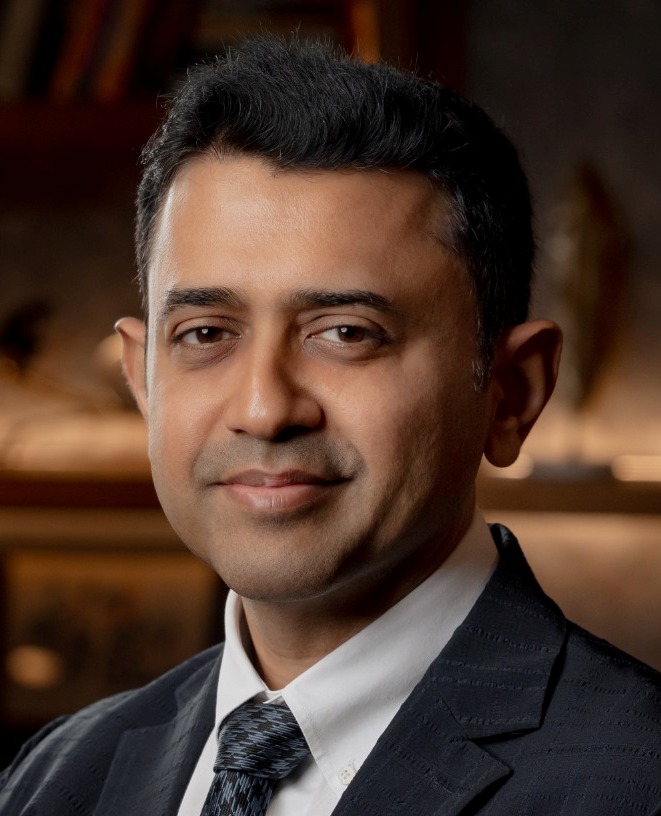 Commenting
on the power sector outlook, Sharan Bansal, Director, Skipper Limited, said the
Budget could be “a strategic move that will trigger a power infrastructure
transformation in India as the country enters the next stage of economic
development.” He emphasised that while recent reforms have created momentum,
deeper structural changes and targeted financial incentives are needed to
unlock sustainable growth across the power value chain. Highlighting
distribution reforms as a priority, he noted that performance-based frameworks
and wider deployment of smart metering would enhance billing transparency,
operational efficiency and, critically, the long-term financial health of
DISCOMs.
Commenting
on the power sector outlook, Sharan Bansal, Director, Skipper Limited, said the
Budget could be “a strategic move that will trigger a power infrastructure
transformation in India as the country enters the next stage of economic
development.” He emphasised that while recent reforms have created momentum,
deeper structural changes and targeted financial incentives are needed to
unlock sustainable growth across the power value chain. Highlighting
distribution reforms as a priority, he noted that performance-based frameworks
and wider deployment of smart metering would enhance billing transparency,
operational efficiency and, critically, the long-term financial health of
DISCOMs.
Sharan
Bansal also underlined the structural shift underway in the power sector,
driven by renewable energy and storage. “The Budget will give us the additional
backing we need to expand renewable capacity additions, accelerate grid modernisation
and strengthen energy storage systems to ensure reliability as variable
renewable generation rises,” he said, adding that policy certainty is essential
to promote domestic manufacturing of power equipment in line with the
Atmanirbhar Bharat vision. At Skipper, he said, investments will continue in
advanced T&D systems and grid-enabling technologies to support a
competitive and future-ready power ecosystem.
 On exports, Devesh
Bansal, Director, Skipper Limited, pointed out that the Budget presents a
timely opportunity to reinforce India’s export momentum amid evolving global
trade dynamics. “While India has shown resilience, persistent tariff barriers
in key markets highlight the need for calibrated policy support to enhance
competitiveness and market access,” he said. He called for rationalisation of
export tariffs, stronger incentives for export-oriented production and smoother
integration of Indian manufacturing into global value chains.
On exports, Devesh
Bansal, Director, Skipper Limited, pointed out that the Budget presents a
timely opportunity to reinforce India’s export momentum amid evolving global
trade dynamics. “While India has shown resilience, persistent tariff barriers
in key markets highlight the need for calibrated policy support to enhance
competitiveness and market access,” he said. He called for rationalisation of
export tariffs, stronger incentives for export-oriented production and smoother
integration of Indian manufacturing into global value chains.
He further
stressed the importance of efficient customs processes, enhanced export credit
and an expanded scope of schemes such as RoDTEP to genuinely improve cost
competitiveness. Welcoming the government’s Export Promotion Mission, he said
it reflects “serious intent to support exporters, particularly MSMEs affected
by tariff headwinds and working capital constraints.” According to him,
effective utilisation of FTAs, including the India–EU trade accord, combined
with fiscal incentives for technology adoption and quality assurance, could
translate policy momentum into tangible export growth.
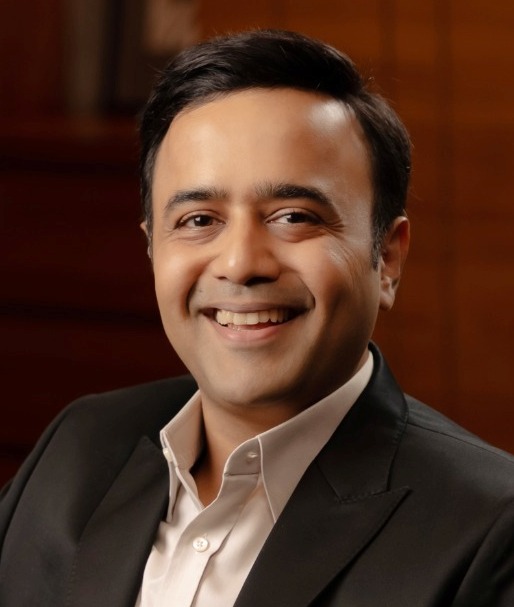 Addressing
water infrastructure, Siddharth Bansal, Director, Skipper Limited, described
the sector as being “at a crossroads as India plots its economic and social
transformation.” He stressed that future-oriented water systems are essential
for livelihoods, health, agriculture and industry. He said the Budget should
expand investments in piped water networks, treatment and recycling plants, and
smart, digitally enabled water management systems, while strengthening flagship
programmes such as the Jal Jeevan Mission with a sharper focus on service
quality and operations.
Addressing
water infrastructure, Siddharth Bansal, Director, Skipper Limited, described
the sector as being “at a crossroads as India plots its economic and social
transformation.” He stressed that future-oriented water systems are essential
for livelihoods, health, agriculture and industry. He said the Budget should
expand investments in piped water networks, treatment and recycling plants, and
smart, digitally enabled water management systems, while strengthening flagship
programmes such as the Jal Jeevan Mission with a sharper focus on service
quality and operations.
Siddharth
Bansal also advocated innovative funding models, blended public-private
partnerships and performance-based grants to unlock last-mile delivery
potential, noting that climate-resilient water infrastructure will be key to
long-term sustainability.
Established
in 1981, Skipper Limited brings over four decades of expertise in power T&D
and polymer segments and ranks among the largest manufacturers globally.