
THEBUSINESSBYTES
BUREAU
NEW
DELHI/FLORIDA, OCTOBER 13, 2026
Adani Enterprises Ltd
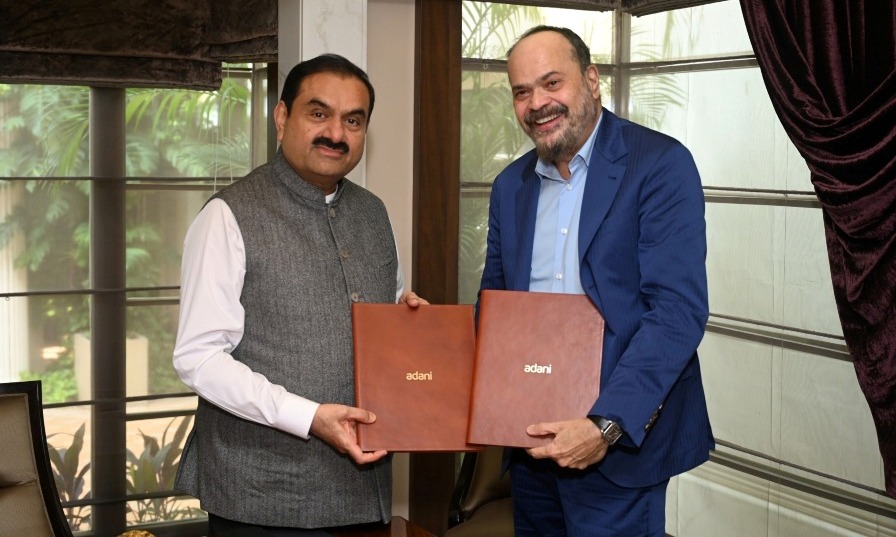
and US-based Jabil Inc have signed a non-binding memorandum of understanding
(MoU) to establish a 50:50 joint venture for manufacturing and assembling
artificial intelligence (AI) and data centre equipment in India, marking a strategic
push to build a domestic manufacturing ecosystem for next-generation computing
infrastructure.
The proposed venture,
which follows the companies' announcement of a strategic alliance in June 2026,
will manufacture AI racks, servers, storage and networking equipment, along
with critical power distribution, liquid-cooling systems and transformers used
in data centres.
The partnership
remains subject to definitive agreements, applicable approvals and customary
conditions, the companies said in a joint announcement.
The proposed joint
venture is expected to have multi-gigawatt AI rack manufacturing capacity,
supporting computing systems with a combined power capacity of several
gigawatts. It will also offer installation and commissioning services.
The initiative comes
amid rising demand for AI computing, cloud services and digital infrastructure,
positioning India as a potential manufacturing and export hub for advanced data
centre equipment.
"The AI
revolution will demand far more than just breakthroughs in algorithms. It will
require an entire new industrial architecture where energy, hyperscale
infrastructure, advanced computing and precision manufacturing converge to
power the intelligence economy," Gautam Adani, Chairman of the Adani
Group, said.
He said the proposed partnership would help the group move up the AI value chain, from powering and hosting AI infrastructure to engineering and manufacturing critical systems underpinning next-generation computing.
The venture would
combine Jabil's engineering and manufacturing capabilities with Adani's
strengths in energy, infrastructure and data centres to support the development
of hardware required by the global AI economy, he added.
Jabil Chief Executive
Officer Mike Dastoor said the agreement marked another step towards
establishing a scaled AI infrastructure manufacturing platform in India, a
market expected to become increasingly important for domestic and global
demand.
By combining Jabil's
six decades of engineering and manufacturing experience with Adani's
infrastructure and energy capabilities, the partnership aims to extend
rack-level data centre solutions to hyperscale cloud and computing operators in
India and overseas, he said.
India's data centre
capacity is projected to reach 5-8 gigawatts by 2030, driven by accelerating AI
adoption, cloud expansion and data localisation requirements. The companies
estimate that the global market opportunity for AI infrastructure could exceed USD
3 trillion over the next seven years, supported by rising investments in
computing capacity.
The proposed venture
is intended to serve India's expanding domestic market while also catering to
export demand, strengthening the country's role in the global AI hardware
supply chain.
The government's
policy environment is also expected to support investments in digital
infrastructure. The Digital Personal Data Protection Act, 2023, provides a
framework for personal data protection, while the Union Budget 2026 announced a
tax holiday for data centres until 2047.
For the Adani Group,
the proposed partnership adds a manufacturing dimension to its broader
ambitions in AI infrastructure. The conglomerate has committed USD 100 billion
towards developing 5 GW of green-energy-powered, hyperscale AI-ready data
centres by 2035.
The proposed joint venture would complement its existing presence across energy, infrastructure, logistics and data centres, creating opportunities to integrate hardware manufacturing with power generation and digital infrastructure development.
For Jabil, the partnership would expand its manufacturing and engineering footprint in India's data centre market. The company reported revenue of USD 36 billion in fiscal year 2026 and has strengthened its capabilities in critical power management and advanced cooling technologies through the acquisitions of Hanley Energy Group and Mikros Technologies, respectively.