THEBUSINESSBYTES BUREAU
BHUBANESWAR, NOVEMBER 14, 2026
Diabetes is often associated with fluctuating blood sugar levels, dietary
restrictions and lifelong medication. However, one of its most serious
complications can quietly threaten an individual's eyesight long before any
noticeable change in vision occurs. With millions of people living with diabetes
in India, experts are increasingly emphasising the need to make regular eye
examinations an integral part of diabetes management.
According to the International Diabetes Federation (IDF), more than 101
million adults aged 20–79 years in India are currently living with diabetes, a
figure projected to rise to 156.7 million by 2050. While awareness about
controlling blood sugar has grown considerably, the impact of diabetes on eye
health continues to receive relatively little attention.
The concern is that diabetes-related eye complications can develop
silently. Damage to the retina, the light-sensitive tissue at the back of the
eye, may progress gradually without affecting vision in the initial stages. By
the time symptoms become noticeable, the disease may already have advanced,
making timely screening particularly important.
Observed every year on November 14, World Diabetes Day serves as an
important reminder that managing diabetes goes beyond monitoring blood sugar
levels. Protecting eyesight must also become a priority, particularly because
early detection and timely intervention can significantly reduce the risk of
severe vision loss.
When diabetes begins to affect the eyes
Prolonged high blood sugar levels can damage the tiny blood vessels supplying
the retina, leading to a condition known as diabetic retinopathy. As these
vessels weaken, they may leak fluid or blood into the retina. In advanced
stages, abnormal new blood vessels may develop, increasing the risk of
bleeding, scar tissue formation and retinal detachment. Without appropriate
treatment, the condition can result in permanent vision impairment and even
blindness.
Another significant complication is diabetic macular oedema (DME), which
occurs when damaged retinal blood vessels leak fluid into the macula, the
central portion of the retina responsible for sharp and detailed vision. The
resulting swelling can interfere with everyday activities such as reading,
recognising faces and driving.
Diabetes can also increase the likelihood of developing cataracts at a
younger age and is associated with a higher risk of certain forms of glaucoma,
a condition that damages the optic nerve and can cause irreversible vision
loss.
The risk of developing diabetic eye disease generally increases with the
duration of diabetes, inadequate blood sugar control and associated health
conditions such as hypertension and high cholesterol.
The danger of having no warning signs
One of the biggest misconceptions surrounding diabetic eye disease is
that clear vision indicates healthy eyes. In reality, retinal damage can occur
even when a person experiences no difficulty seeing. Similarly, maintaining
blood sugar within the recommended range reduces the risk of complications but
does not completely eliminate it.
Importantly, diabetic retinopathy is not restricted to individuals who
have been living with diabetes for several years. It may also be detected in
people who have recently received a diagnosis, particularly when diabetes has
remained undetected for a considerable period.
A 2025 study examining diabetic retinopathy screening initiatives in
rural Punjab highlighted several barriers to early detection. Researchers found
that some patients declined screening because they believed their eyes were
healthy. Mobility constraints, long distances to healthcare facilities and
transportation difficulties also affected participation. Although the findings
relate to a specific rural population, they underline the importance of
creating awareness that the absence of visual symptoms does not necessarily
mean the absence of retinal damage.
Dr. Lalit Verma, Director, Retina Services, Centre For Sight and Former
President, AIOS, stressed that regular retinal screening plays a crucial role
in identifying complications before they begin to affect eyesight.
"Diabetic retinopathy is a major complication of diabetes, as
retinal damage can progress even without noticeable visual symptoms. Regular
retinal screening helps identify early vascular changes, examine the extent of
retinal involvement, and understand the most suitable treatment plan. It's
crucial to acknowledge that diabetes isn't only about managing blood sugar
levels; timely eye checkups should also be promptly prioritized to keep away
the risks of vision-threatening complications," he said.
Warning signs that should never be ignored
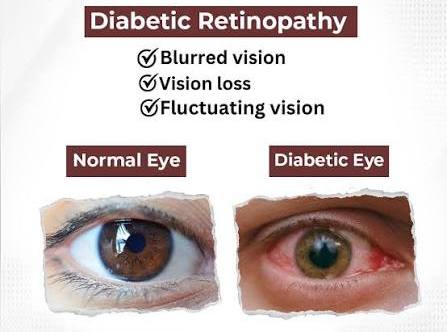
Although diabetic retinopathy may remain symptomless in its early stages,
certain visual changes warrant immediate medical attention. Blurred central
vision, difficulty reading or recognising faces, fluctuating eyesight,
distorted vision and the appearance of dark spots or floaters can indicate
underlying eye complications.
Sudden flashes of light, a sudden increase in floaters or a curtain-like
shadow across the field of vision are particularly concerning, as they may
indicate a serious retinal problem, including retinal detachment. Such symptoms
require urgent assessment by an eye specialist.
However, ophthalmologists caution against waiting for these warning signs
to appear. Routine screening remains essential even when vision seems perfectly
normal.
Screening: The strongest defence against preventable vision loss
Regular comprehensive eye examinations should form an essential component
of diabetes care. According to the Indian consensus guidelines developed by the
All India Ophthalmological Society (AIOS) and Vitreo-Retinal Society of India
(VRSI), individuals with Type 1 diabetes should undergo their first
comprehensive dilated eye examination within five years of diagnosis, followed
by regular annual screening.
For those diagnosed with Type 2 diabetes, an eye examination is
recommended at the time of diagnosis itself, followed by annual screening. This
is particularly important because the disease may have been present for years
before being detected.
For patients already diagnosed with diabetic retinopathy, the frequency
of subsequent examinations depends on the severity and progression of the
condition. Advanced cases may require more frequent monitoring and timely
intervention as advised by the treating ophthalmologist.
A comprehensive examination allows specialists to assess the retina and
identify early signs of diabetic damage. Depending on the findings, additional
retinal imaging and investigations may be recommended to determine the extent
of the disease and establish an appropriate treatment strategy.
Alongside screening, effective diabetes management remains vital.
Maintaining blood sugar levels within the range recommended by the treating
physician, monitoring blood pressure and cholesterol, following a balanced
diet, engaging in regular physical activity and taking prescribed medication
consistently can help reduce the risk of complications. Avoiding smoking and
adhering to the ophthalmologist's recommended follow-up schedule are equally
important.
Timely treatment can help preserve eyesight
The treatment of diabetic eye disease depends on its type, severity and
stage of progression. Early-stage diabetic retinopathy may require regular
monitoring and careful management of underlying health conditions. However,
more advanced complications may need specialised retinal treatment.
Intravitreal anti-VEGF injections are commonly used to treat diabetic
macular oedema and certain cases of proliferative diabetic retinopathy. Laser
procedures may also be recommended to control abnormal blood vessel growth and
reduce the risk of further retinal damage. In advanced cases involving
significant bleeding or tractional retinal detachment, vitrectomy, a
specialised vitreoretinal surgical procedure, may become necessary.
With a network of more than 95 eye care centres across India and over
three decades of experience in eye care, Centre For Sight offers specialised
diabetic eye screening and retinal services, including intravitreal injections,
laser procedures and vitreoretinal surgery. Treatment approaches are determined
through individual clinical assessments, taking into account the nature and
stage of the condition.
(Prof.) Dr. Mahipal S. Sachdev, Padma Shri Awardee, Chairman and Medical
Director at Centre For Sight and Former Professor, AIIMS, emphasised that eye
examinations must become a routine part of diabetes care rather than an
afterthought.
"Diabetes often affects the eyes long before you notice any changes
in your vision. Silent progression of the condition is among the biggest
concerns with diabetic retinopathy, necessitating regular retinal checkups for
diabetic individuals. We emphasize that good blood sugar control must go hand
in hand with routine eye screening. Early detection enables us to spot retinal
changes, monitor disease progression and lay down customized treatment plans
before major vision loss occurs. My advice is simple: do not wait for your
vision to deteriorate before you decide to get your eyes checked," he
said.
As India's diabetes burden continues to rise, greater awareness of its long-term complications is becoming increasingly important. While blood sugar control remains central to managing the disease, protecting eyesight requires equal attention and commitment.
The message for people living with diabetes is clear: do not wait for blurred vision, dark spots or other warning signs before visiting an ophthalmologist. A routine eye examination could identify a potentially serious complication long before it threatens eyesight. When it comes to diabetic eye disease, early detection is not merely a medical recommendation; it can be the difference between preserving vision and losing it permanently.