THEBUSINESSBYTES
BUREAU
NEW
DELHI, MARCH 17, 2026
Amid intensifying
geopolitical tensions in West Asia and the growing fragility of global supply
chains, India’s vast mineral wealth is emerging as a strategic lever to secure
long-term economic resilience. Experts believe that the current global churn
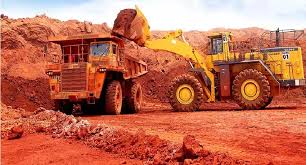
presents a decisive opportunity for the country to unlock its bauxite
potential, reduce dependence on volatile imports, and strengthen its industrial
backbone.
Aluminium, often
described as the “metal of the future,” is becoming indispensable across
sectors such as electric mobility, renewable energy, aerospace, and defense.
India already holds a strong position globally, ranking fifth in bauxite
reserves. At the heart of this advantage lies Odisha, which accounts for more
than half of the nation’s total bauxite resources. The mineral-rich districts
of Kalahandi, Rayagada, and Koraput have long been recognized as critical nodes
in India’s aluminum value chain.
 However, global trade
disruptions and supply-side shocks have exposed the vulnerabilities of relying
on imported raw materials. Despite being nearly 90 percent self-sufficient in
bauxite, India faces a rapidly rising demand trajectory, with projections
indicating a six-fold increase in aluminum consumption in the coming years. The
“Viksit Odisha” vision for 2036 underscores the urgency of tapping into
untapped reserves to meet this demand sustainably while fueling industrial
growth.
However, global trade
disruptions and supply-side shocks have exposed the vulnerabilities of relying
on imported raw materials. Despite being nearly 90 percent self-sufficient in
bauxite, India faces a rapidly rising demand trajectory, with projections
indicating a six-fold increase in aluminum consumption in the coming years. The
“Viksit Odisha” vision for 2036 underscores the urgency of tapping into
untapped reserves to meet this demand sustainably while fueling industrial
growth.
According to Nilanjan
Banik, Economist and Program Director at Mahindra University, the stakes extend
far beyond resource utilization to the broader socio-economic transformation of
resource-rich regions. “The current global situation proves that self-reliance
is not just an ambition but a survival strategy. By fast-tracking responsible
bauxite mining, we can transform Western Odisha into a global industrial hub.
This isn't just about minerals; it's about providing dignified livelihoods at
home for our youth, ensuring that migration becomes a choice of the past rather
than a compulsion for the future.”
The case for accelerating bauxite mining is also rooted in its multiplier effect on employment and enterprise development. Odisha’s existing alumina refineries already possess the infrastructure to scale operations, offering immediate avenues for job creation. A strengthened supply chain, anchored in a “mining-first” development strategy, has the potential to generate up to 2.4 million direct and indirect jobs while supporting more than 10,000 micro, small, and medium enterprises in the downstream ecosystem.
As India advances toward its ambitious $5 trillion economy goal, the strategic importance of domestic resource security cannot be overstated. Responsible and sustainable bauxite production in Odisha stands out as a cornerstone of this vision, positioning the state not only as a resource hub but also as a catalyst for inclusive growth. By harnessing its natural wealth with foresight and responsibility, India can build a resilient, self-reliant industrial future that is better insulated from global uncertainties.