THEBUSINESSBYTES BUREAU
NEW DELHI, NOVEMBER 23, 2026
India has consolidated its position as Asia’s third-most powerful
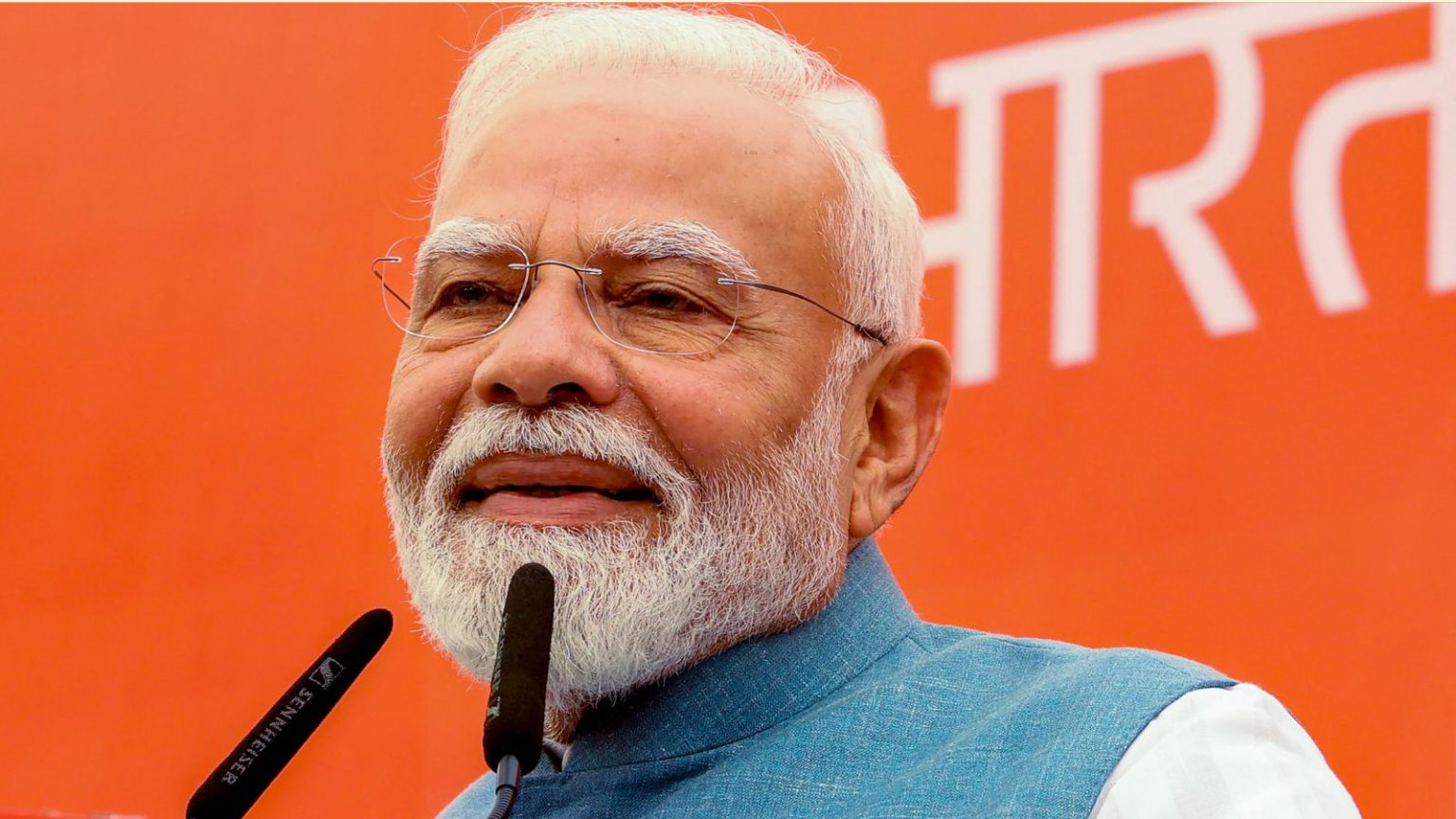
country, emerging as a “major powerhouse” in the region, while Prime Minister
Narendra Modi has been ranked the second-most effective regional leader after
Chinese President Xi Jinping, according to the Lowy Institute’s Asia Power Index 2026.
India’s power score rose by 0.5 points to 40.5 in the latest edition,
bringing it closer to China than at any time since the index was launched in
2018. The United States and China retained their positions as Asia’s two
leading superpowers, securing scores of 78.9 and 73.6, respectively, out of
100.
The report attributed India’s growing regional clout to its expanding
defence engagement, stronger military partnerships and deepening economic
relationships. The sale of BrahMos missiles to Southeast Asian countries has
strengthened New Delhi’s defence networks, while stable trade and investment
ties have helped it sustain economic partnerships despite a weakening of such
relationships for several other countries.
India also registered its most significant improvement in cultural
influence, gaining 2.3 points during the year. Its defence networks improved by
2.1 points, while future resources gained 1.2 points and military capability
rose by 0.5 points.
On the diplomatic front, India maintained its influence, with experts
ranking Modi as the second-most effective regional leader after Xi Jinping.
However, the report noted that India’s relatively low profile during the Gulf
conflict had adversely affected perceptions of the Prime Minister’s global
leadership.
“India’s diplomatic influence held up as experts rated Prime Minister
Narendra Modi the second-most effective regional leader after Xi Jinping,
though India’s low profile during the Gulf conflict weighed on views of his
global leadership,” the report said.
Despite the overall improvement, India’s economic capability score
declined marginally by 0.7 points. Its scores for resilience, economic
relationships and diplomatic influence remained unchanged. India recorded 26.4
points in economic capability, 43.8 in cultural influence and 70.3 in
diplomatic influence.
The 2026 Asia Power Index evaluates 27 countries and territories across
131 indicators to assess their power and influence in the region.
The report also underscored the narrowing power gap between the United
States and China, with only 5.3 points separating the two countries — the
smallest margin since the index was introduced in 2018. The gap in their
military capabilities has also narrowed to its lowest level on record.
Washington’s diplomatic influence score suffered a sharp decline of six
points to 76.7, marking its steepest fall and the fourth consecutive annual
drop. The report attributed the setback to several factors, including the Iran
war, punitive tariffs and calls for scaling back military exercises with South
Korea.
Despite these shifts, the regional balance of power remains firmly
dominated by Washington and Beijing.
“Despite upheaval, the regional
balance of power remains markedly bipolar. The US and China still dominate, and
neither a middle power bloc nor growing authoritarian alignment is displacing
them,” said Hunter Marston, Director of the Southeast Asia Program and Asia
Power Index.
Welcoming India’s improved standing, Union Minister Kiren Rijiju on
Monday credited the country’s progress to the leadership of Prime Minister
Narendra Modi, asserting that India had undergone a significant transformation
across economic, military and financial sectors.
“Not just Lowy, several global rating agencies have ranked India quite
high in the economy, military, and financial sectors,” Rijiju told reporters.
He said India had occupied considerably lower positions in international
rankings around 12 years ago but had since made substantial progress, placing
itself among the world’s leading countries.
“Today, we remain in the top three
or four, right at the top. We are definitely in the top 10 and top five. India
has changed now; our leadership is strong,” he said.
Rejecting the Opposition’s criticism, Rijiju maintained that political
parties were entitled to express their views but that the country's
achievements and transformation should not be overlooked.
“But if the opposition doesn’t praise us, it doesn’t mean they are right. They have their right to speak, but the country has changed. India has moved far ahead,” he added.
The minister’s remarks came against the backdrop of the Lowy Institute’s assessment, which identified India’s expanding defence partnerships, resilient economic ties and sustained diplomatic influence as key drivers of its growing stature in Asia.