THEBUSINESSBYTES
BUREAU
NEW
DELHI, JULY 7, 2026
India and Indonesia
have significantly expanded the scope of their economic and strategic
partnership by agreeing to deepen cooperation across critical sectors including
healthcare, pharmaceuticals, food security, agriculture, fertilisers and clean
energy. The two countries also signed key agreements and outlined an ambitious
roadmap aimed at strengthening resilience in vital sectors during Prime
Minister Narendra Modi's State Visit to Indonesia from July 6 to 8.
The broad-based
commitments were announced in a joint statement issued following bilateral
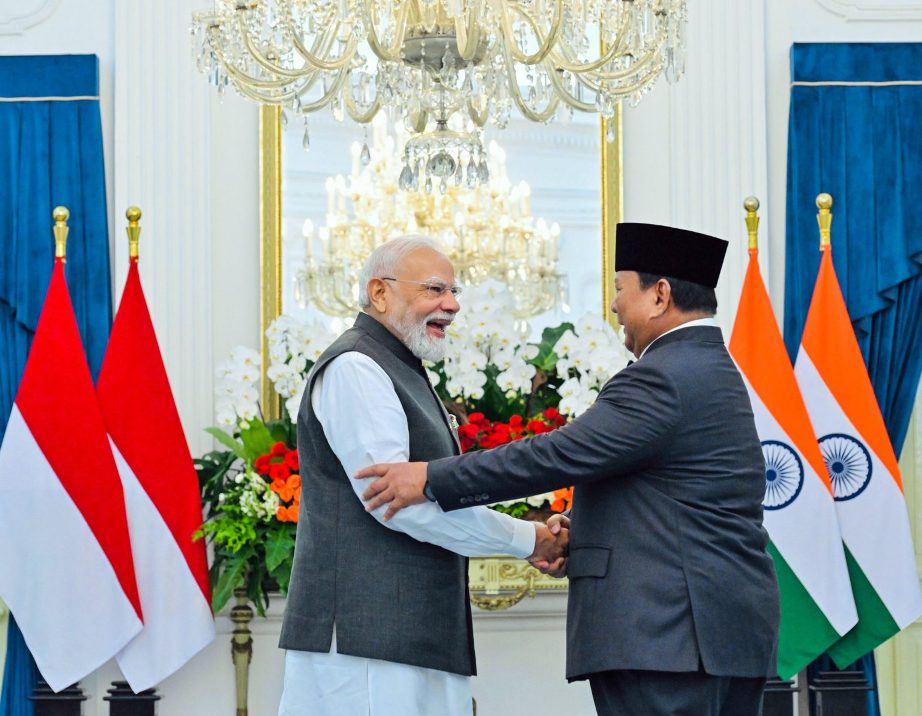
talks between Prime Minister Narendra Modi and Indonesian President Prabowo Subianto.
Reaffirming their commitment to the India-Indonesia Comprehensive Strategic
Partnership, the two leaders pledged to enhance collaboration in areas that are
increasingly central to economic growth, public welfare and long-term
sustainability.
A major highlight of
the discussions was the decision to strengthen cooperation in the healthcare
and pharmaceutical sectors. Recognising the growing demand for affordable and
quality healthcare solutions, both leaders noted the strategic importance of
Indonesia's Red and White Cooperative Network as a potential logistics and
distribution platform for pharmaceutical products and medical supplies from
both countries, subject to their respective domestic laws and regulatory
frameworks.
Further advancing
health sector collaboration, the two sides welcomed the signing of the
Implementation Arrangement on Professional Health Workforce Development. The
agreement seeks to promote fellowship programmes and specialised skill
enhancement initiatives for healthcare professionals while facilitating
hands-on clinical training in advanced medical fields. It also provides for the
exchange of healthcare professionals, experts and best practices in medicine
and health services, paving the way for stronger institutional partnerships and
capacity building.
The leaders also
stressed the need for closer regulatory cooperation in food safety and urged
the early conclusion of a Memorandum of Understanding between Indonesia's
National Agency of Drug and Food Control (BPOM) and India's Food Safety and
Standards Authority of India (FSSAI). The proposed agreement is expected to
strengthen regulatory coordination in processed food products, facilitate
smoother trade and ensure high safety standards.
Food security and
sustainable agriculture emerged as another important pillar of the bilateral
agenda. Both countries agreed to intensify cooperation while respecting each
other's domestic policies and priorities. They committed to expanding food and
agricultural trade, promoting joint research, encouraging innovation and sharing
knowledge to develop resilient and sustainable food systems capable of
addressing future challenges.
The leaders also
expressed optimism over the early conclusion of a Memorandum of Understanding
on cooperation in agriculture and allied sectors. In addition, they looked
forward to renewing the existing Memorandum of Understanding on marine and
fisheries cooperation, further strengthening collaboration in sectors that
support livelihoods, food production and the blue economy.
Strengthening
pharmaceutical cooperation also featured prominently in the discussions. The
two leaders welcomed the signing of a Memorandum of Understanding between
India's Central Drugs Standard Control Organisation (CDSCO) and Indonesia's
BPOM to enhance regulatory cooperation in medical products. The agreement is
expected to facilitate greater regulatory harmonisation, improve market access
and support the availability of safe and quality medicines in both countries.
Recognising the
strategic importance of agricultural inputs, India and Indonesia also agreed to
enhance cooperation in the fertiliser sector. The two sides underlined the
importance of ensuring stable, affordable and reliable fertiliser supplies amid
global market uncertainties and evolving supply chain challenges, acknowledging
their critical role in safeguarding agricultural productivity and food
security.
Energy security
formed another key area of engagement, with both nations reaffirming their
commitment to expanding collaboration across conventional as well as renewable
energy sectors. They agreed to undertake joint studies, strengthen
institutional capacity and promote technological cooperation in emerging clean
energy solutions.
The leaders welcomed
enhanced cooperation in liquefied natural gas (LNG), green hydrogen, bioenergy,
solar energy and energy efficiency technologies, reflecting their shared
commitment to accelerating the clean energy transition while strengthening
long-term energy security.