
THEBUSINESSBYTES
BUREAU
NEW
DELHI, MARCH 15, 2026
Emphasising the
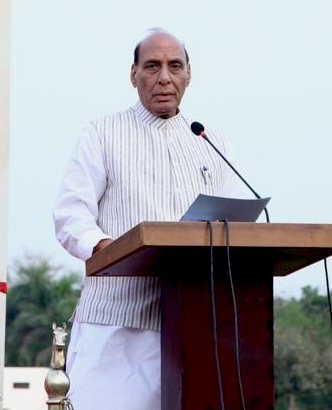
growing momentum of India’s sports ecosystem, Defence Minister Rajnath Singh on
Sunday said the government is actively nurturing a vibrant sports culture in
the country where athletes and youth have greater access to opportunities,
resources and recognition. Addressing the gathering during the final of the
Aditya Birla Memorial Polo Cup in New Delhi, he called for deeper public-private
partnership to further strengthen India’s sporting capabilities and elevate its
prestige on the global stage.
 Highlighting the
importance of collaborative efforts, Singh asserted that India could soon carve
out a strong global identity in sports — particularly in polo — if the
government, private sector and social institutions work together. Describing
polo as a sport deeply embedded in India’s heritage for thousands of years, he
said it deserves recognition as a “Heritage Sport” of the nation.
Highlighting the
importance of collaborative efforts, Singh asserted that India could soon carve
out a strong global identity in sports — particularly in polo — if the
government, private sector and social institutions work together. Describing
polo as a sport deeply embedded in India’s heritage for thousands of years, he
said it deserves recognition as a “Heritage Sport” of the nation.
The Defence Minister
acknowledged the pivotal role played by the Indian Army in nurturing polo
talent and preserving the legacy of the sport. He noted that through its
collaboration with the Indian Polo Association, the Army has significantly
contributed to sustaining and promoting polo in the country. “Working in
collaboration with the Indian Polo Association, the Indian Army has played a
pivotal role in keeping this legacy vibrant and relevant. I am confident that,
working together, we will foster a positive culture for Polo as well as other
sports in India. This will enable our young talent to come to the fore and
bring glory to the nation,” he said.
Singh also
highlighted key government initiatives such as the Khelo India programme and
the Target Olympic Podium Scheme, which he said have created new avenues for
young athletes to showcase their potential. He added that policy measures like
the National Sports Governance Act and the Khelo Bharat Policy are expected to
bring greater transparency and accountability to sports administration while
offering enhanced support to talented players.
Drawing parallels
with sectors such as industrialisation, technology and education, Singh said
increased private participation in sports could bring professional management,
long-term vision and sustainable support systems. Such collaboration, he noted,
would ensure athletes gain access to superior coaching, world-class
infrastructure and opportunities to train at international standards.
Describing polo as
far more than a test of strength and speed, Singh said the sport represents a
unique blend of rhythm, strategy, coordination, discipline and courage,
reflecting the spirit and tradition of Indian sporting culture.