
THEBUSINESSBYTES
BUREAU
BHUBANESWAR,
MAY 5, 2026
In a proactive and
citizen-focused initiative, the Housing & Urban Development Department of
the Government of Odisha has issued a comprehensive Standard Operating
Procedure (SOP) to all Urban Local Bodies (ULBs) to ensure heightened
preparedness for the upcoming Monsoon-2026.
The SOP has been
released under the direction of Housing & Urban Development Minister Dr.
Krushna Chandra Mahapatra, with a clear mandate for officials to implement the
guidelines in both letter and spirit. Emphasising accountability and urgency,
the government has underlined that any lapse in execution will be treated with
utmost seriousness, reflecting its firm commitment to strengthening urban
resilience and disaster preparedness.
As part of the
preparedness strategy, ULBs have been directed to undertake 100 percent
verification of all drainage systems, including manholes, to ensure public
safety. Immediate repair or secure covering of damaged manholes has been
prioritised, while interim safety measures such as warning signage and
protective nets must be installed wherever repairs are pending. Simultaneously,
routine desilting of drains and strict removal of encroachments obstructing
natural water flow have been made mandatory to prevent urban flooding and
ensure seamless drainage during periods of heavy rainfall.
Recognising the
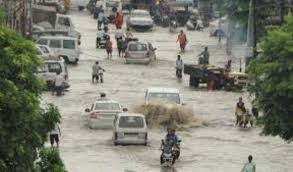
persistent challenge of waterlogging in urban areas, the department has
identified vulnerable and low-lying zones for targeted intervention. Adequate
deployment of pump sets and DG sets will be ensured in these areas to
facilitate swift de-watering. Urban jurisdictions will also be systematically
divided into operational zones, each overseen by designated officers
responsible for prompt emergency response and effective on-ground coordination
during monsoon-related exigencies.
To bolster disaster
response capacity, Multi-purpose Cyclone Shelters (MCS), along with public
institutions such as schools and colleges, will be readied to function as
temporary relief centres. These shelters will be equipped with essential
amenities including safe drinking water, sanitation, and uninterrupted power
supply. Special emphasis has been placed on safeguarding the dignity and
security of vulnerable groups, with the deployment of lady home guards and
adequate security personnel for women, children, and the elderly.
Public health remains
a critical priority under the monsoon preparedness plan, particularly in
preventing vector-borne diseases such as Dengue and Malaria. ULBs have been
instructed to intensify fogging operations and carry out regular application of
larvicides, alongside strict monitoring to eliminate water stagnation and curb
the dumping of debris into drainage channels. These measures are aimed at
significantly reducing the risk of disease outbreaks during the rainy season.
To ensure seamless coordination and real-time response, a dedicated 24/7 Control Room will be established in every ULB to address issues related to drinking water supply, drainage congestion, and road blockages. The government has further directed that any damage to urban roads during the monsoon must be restored to motorable condition within 72 hours, ensuring minimal disruption to daily life and essential services.
The Government of Odisha has also urged citizens to actively cooperate with local ward committees and elected representatives in maintaining cleanliness, preventing blockage of drains, and supporting community-level preparedness initiatives. Through this comprehensive and coordinated approach, the state aims to ensure a safer, more resilient, and flood-prepared urban environment during Monsoon-2026.