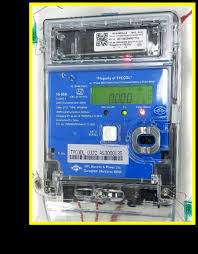
Technology adoption cannot be equated with
progress when consumers are kept in the dark about fundamental details, says Priyabrat Biswal
The recent
article (When we say Yes to Smart
Phones, Smart Watches, Smart TVs…Then Why No to Smart Meters?) disseminated
by Adfactors PR in support of smart meters, presenting the views of Tanuja
Behera, a young woman engineer from Odisha’s power distribution sector, attempts
to frame consumer scepticism as a contradiction. By drawing parallels between
smart meters and everyday smart devices such as smartphones, smart TVs and wearable
health gadgets, the article suggests that resistance to smart meters reflects
selective acceptance of technology. While the analogy appears attractive on the
surface, it fails to withstand closer examination.
The fundamental difference lies in one word: Choice.
Consumers willingly adopt smartphones and other smart devices because
they exercise complete autonomy in the decision. They choose the brand, model,
price, warranty period and service ecosystem. No authority mandates a specific
device or replaces an existing, functioning product without consent. In
contrast, smart meters are being installed by discoms through forced
replacement of existing meters, often without adequate communication, informed
consent or transparency. This crucial distinction renders the comparison flawed
from the outset.
The article disseminated by the PR agency also glosses over a troubling
lack of disclosure. Consumers are rarely informed about who manufactures the
smart meter installed at their premises, what its actual market price is,
whether alternative brands exist, what warranty coverage applies, or who bears
the cost in case of malfunction. In any other consumer transaction, such
opacity would be unacceptable.
Technology adoption cannot be equated with progress when consumers are kept in
the dark about fundamental details.
A key assertion in the article is that smart meters “track electricity
consumption accurately” and eliminate faulty readings. This claim inadvertently
raises a serious question: does this mean that the existing meters — approved,
installed and relied upon for billing over decades — were inaccurate? If
so, why were these meters allowed to remain in service for so long? Why were
consumers not informed earlier about potential inaccuracies that may have led to
overbilling or underbilling? And if discoms suffered financial losses due to
faulty meters, why was corrective action delayed until now?
Technology upgrades are welcome, but retrospective acknowledgement of
systemic inaccuracies without accountability erodes trust rather than
strengthening it.
The article further claims that smart meters allow consumers to plan
high-usage activities more efficiently and reduce electricity bills. While this
sounds promising, it remains vague in practical terms. Does the smart meter
actively alert consumers about unnecessary consumption? Does it warn households
of abnormal spikes or wastage in real time? Or does it simply transmit data to
the utility for billing purposes? Visibility without actionable,
consumer-facing alerts does little to empower users.
Moreover, the underlying assumption appears to be that consumers misuse
electricity due to lack of awareness. This assumption is disconnected from
reality. Today’s consumers are acutely conscious that higher consumption
directly translates into higher bills. No rational household deliberately
wastes electricity knowing it will bear the financial burden. Suggesting that
smart meters alone will instil discipline subtly shifts responsibility away
from systemic inefficiencies and places it squarely on consumers who already
pay for every unit consumed.
Another argument advanced is that smart meters resolve long-standing
issues such as delayed fault detection and faulty readings. This again raises
an uncomfortable question: if discoms were aware of these long-standing issues,
why were they not addressed earlier? Why were consumers subjected to faulty
readings and delayed resolutions for years, only to be told now that a
technological upgrade will finally solve these problems? Institutional
credibility depends on acknowledging past failures, not merely promising future
fixes.
The issue of cost remains conspicuously unclear in the narrative promoted
through the article. Who ultimately pays for the smart meters being forcibly
installed? Will consumers bear the cost directly, indirectly through tariff
revisions, or through long-term recovery mechanisms embedded in billing
structures? If smart meters are part of a national mission, how much of the
cost is publicly funded and how much is recovered by private vendors? The
absence of clear answers inevitably fuels suspicion and resistance.
While references to testing standards, NABL certification and regulatory
oversight are important, technical compliance alone does not guarantee consumer
confidence. Transparency is not merely about laboratory certification; it is
about informed consent, price clarity, grievance redressal mechanisms and
accountability. Trust cannot be engineered through messaging — it must be
built through openness.
None of these concerns amount to opposition to technology. Smart meters
may well offer long-term benefits, including improved grid efficiency, reduced
losses and better integration of renewable energy. However, reforms imposed
without dialogue often provoke backlash. A genuinely consumer-centric
transition would involve opt-in pilots, public disclosure of costs, independent
audits, clear communication and meaningful engagement with consumers.
Dismissing scepticism as fear of technology oversimplifies a legitimate debate. This is not about being anti-smart; it is about being pro-choice, pro-transparency and pro-consumer. When technology enters private homes and directly affects recurring household expenses, it must do so with consent and clarity — not comparison.
True smartness lies not in unquestioning acceptance, but in asking the right questions and demanding honest answers.
(The views expressed in this article are those of
the author and do not necessarily reflect the official policy or position of
THEBUSINESSBYTES.COM)