THEBUSINESSBYTES
BUREAU
KALINGANAGAR,
JULY 2, 2026
Demonstrating that
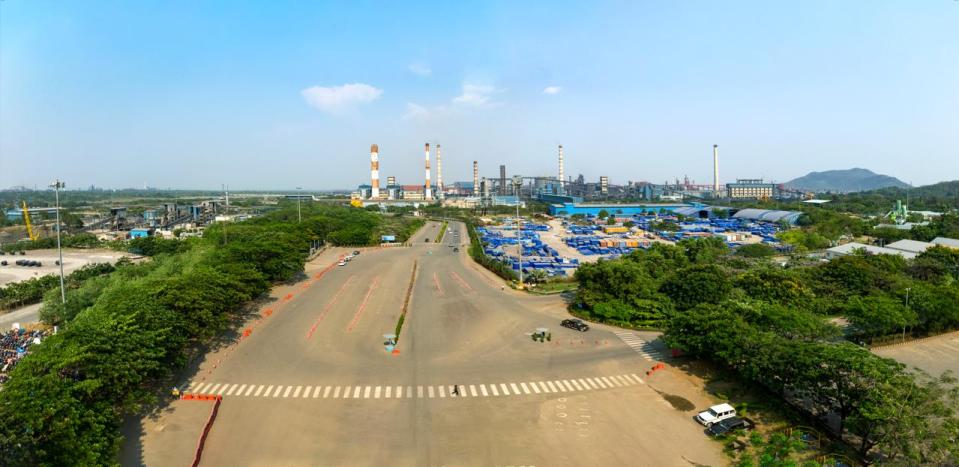
industrial growth and environmental stewardship can go hand in hand, Tata Steel
Kalinganagar (TSK) is driving a robust circular economy model through
sustainable manufacturing, resource conservation and clean energy initiatives.
With 33% of its plant area dedicated to green cover, the steel major is
creating a thriving ecosystem while advancing its commitment to responsible
steel production.
The integrated steel
plant has planted more than 8.24 lakh saplings across its premises and adopted
the advanced Miyawaki method—an innovative urban forestry technique that
enables the growth of ultra-dense, self-sustaining native forests up to ten
times faster than conventional plantation methods. This initiative has
significantly strengthened biodiversity within the industrial landscape.
In its pursuit of
cleaner energy, TSK has partnered with Tata Power to develop a grid-connected
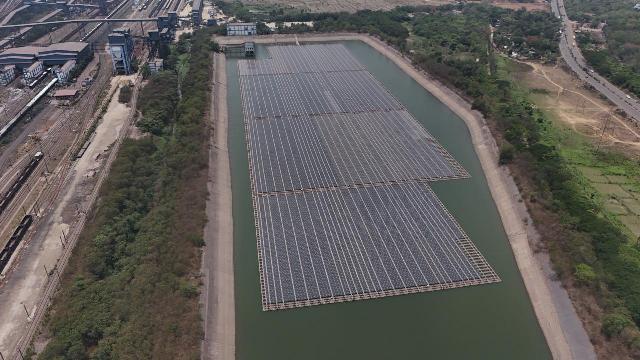
solar power project based on a dual-infrastructure model. The project combines
9.12 MWp of rooftop solar installations with an innovative 10.10 MWp floating
photovoltaic (PV) system on existing water bodies, maximising renewable energy
generation without requiring additional land.
Complementing its
clean energy initiatives, the company has also accelerated the adoption of
sustainable mobility. A fleet of 19 electric cars and 20 electric buses now
supports daily employee transportation, backed by a dedicated on-site EV bus
charging facility that contributes to a cleaner and healthier workplace.
Water conservation
remains another cornerstone of TSK's sustainability strategy. Through smart
optimisation initiatives, the plant has reduced freshwater consumption by 40%,
significantly lowering dependence on local water resources. The facility also
operates under a strict Zero Effluent Discharge (ZED) model, supported by a
10,500-square-metre rainwater harvesting and percolation pond with a storage
capacity of 46,000 cubic metres. Besides replenishing the groundwater table,
the pond has emerged as a thriving habitat for local biodiversity.
Technology and
innovation continue to drive Tata Steel Kalinganagar's environmental
performance. Advanced solutions are being deployed across operations to reduce
emissions and minimise the plant's overall environmental footprint. These
initiatives have enabled the facility to achieve 100% utilisation of solid
waste, reinforcing its commitment to sustainable manufacturing and resource
efficiency.
 Recognising these
efforts, Tata Steel Kalinganagar received the prestigious ResponsibleSteel
certification in 2024, affirming its adherence to globally recognised standards
for responsible sourcing, ethical production and sustainable steelmaking.
Recognising these
efforts, Tata Steel Kalinganagar received the prestigious ResponsibleSteel
certification in 2024, affirming its adherence to globally recognised standards
for responsible sourcing, ethical production and sustainable steelmaking.
The company has also transformed industrial waste into valuable resources through innovative circular economy practices. It has achieved 100% utilisation of LD slag, repurposing the steelmaking byproduct for road construction and cement manufacturing. To further address carbonaceous waste, the plant has installed 10 tonnes-per-day (TPD) Polycrack units, an advanced waste-to-energy technology that converts municipal solid waste, biomass and discarded rubber into valuable hydrocarbons and energy.
By embracing zero-discharge operations, maximising resource recovery and diverting waste from landfills, Tata Steel Kalinganagar continues to set new benchmarks in sustainable industrial development, reinforcing its vision of building a greener and more resilient future for the steel industry.