The Chair
Priyabrat
Biswal
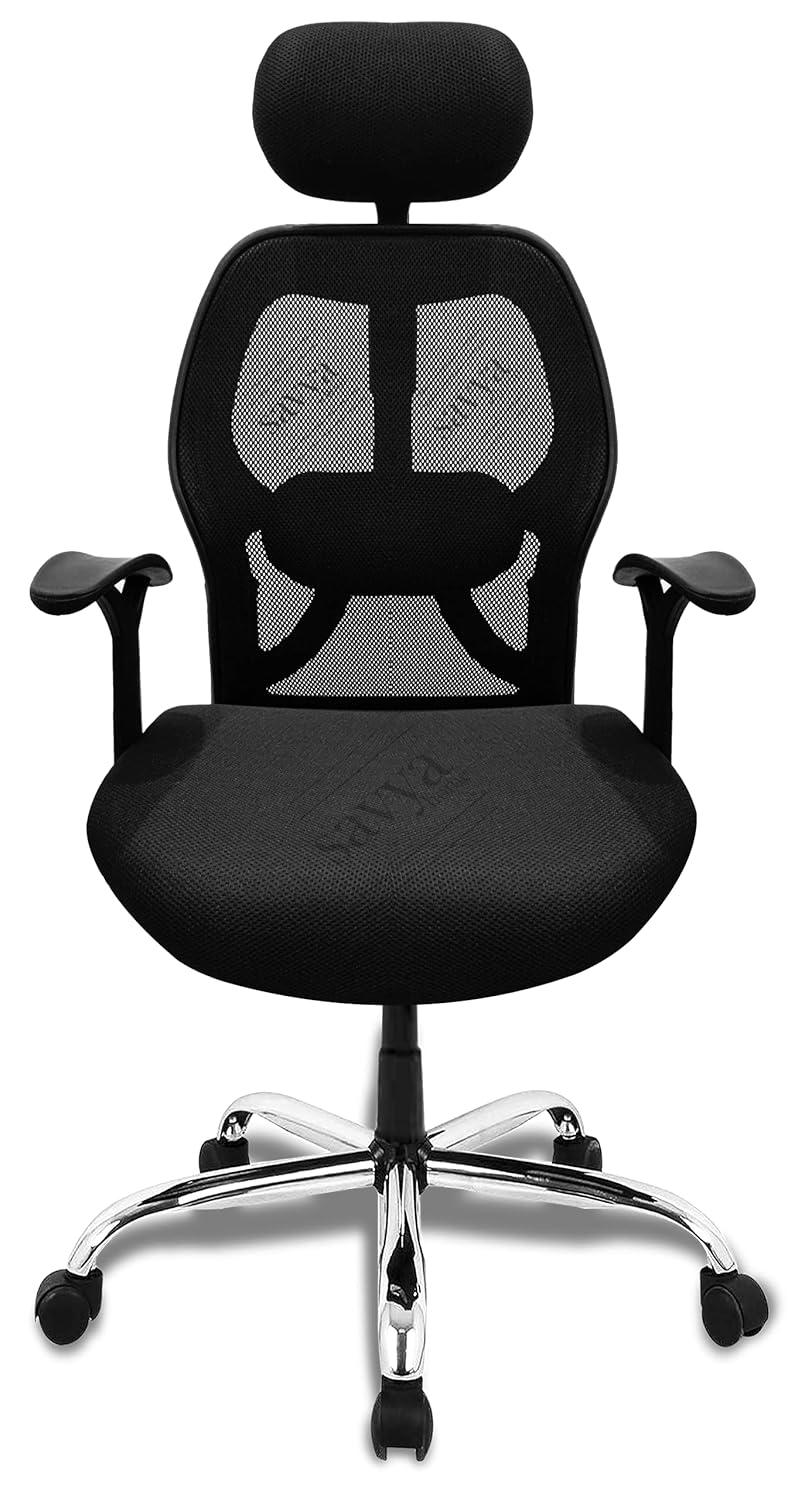
Yesterday, I sold my
revolving chair.
It was almost new.
The dealer who came to inspect it seemed surprised. He checked the wheels,
pressed the cushions and adjusted the backrest before asking, "Sir, it's
hardly been used. Why are you selling it?"
I smiled but said
nothing.
How could I explain
that I was not merely selling a piece of furniture? I was parting with a
symbol.
For years, that chair
occupied a corner of my study-cum-bedroom. It was where I spent long hours
reading, writing, reflecting and preparing for the next day's assignments. Long
after returning from the newsroom, I would sit there editing drafts, chasing
story ideas, responding to messages and engaging with people from different
walks of life. It became inseparably linked to my identity as Deputy Resident
Editor of an English daily.
Journalism opened
doors to an extraordinary world. It introduced me to corporate leaders, public
relations professionals, bureaucrats, entrepreneurs, writers and artists. Every
day brought new conversations, new stories and new possibilities.
My phone rarely
remained silent. There were invitations, requests, discussions and endless
exchanges of information. Some people sought publicity, others sought advice,
and many simply wanted to stay connected. Gradually, I came to believe that
these relationships were built on mutual respect and personal regard.
Then life took an
unexpected turn.
One day, I walked
away from the organisation I was working for because there are moments when
self-respect becomes more important than position. But I did not leave
journalism. I moved to digital media, where storytelling continues in a
different form. My passion for reporting and writing remained unchanged.
Yet almost overnight,
something shifted.
The phone began to
ring less often. Conversations grew shorter. Some people who had once been
regular callers quietly drifted away. Messages remained unanswered. Invitations
became fewer.
At first, it hurt.
Not because I
expected favours, but because I was trying to understand what had changed. My
experience was the same. My commitment to journalism was the same. Yet
something was undeniably different.
With time, the answer
became clearer.
Most professional
relationships are built on shared interests and mutual needs. Journalists need
information. Businesses need visibility. Public relations professionals need
platforms. Every profession functions within a network of exchange.
There is nothing
wrong with that.
The mistake lies in
assuming that every professional relationship is also a personal one.
When the
circumstances that bring people together change, many connections naturally
weaken. Not because people are necessarily selfish or ungrateful, but because
the purpose that sustained the relationship no longer exists.
Yet that was not the
whole story.
Not everyone
disappeared.
A handful of people
continued to call. They shared ideas, discussed books, debated issues and
enquired about my well-being without expecting anything in return. Their
friendship survived the loss of designation because it had never depended upon
it.
Those relationships
became invaluable.
They reminded me that
while many people had been connected to the chair, a few had been connected to
the person sitting on it.
One evening, while
sitting alone in my study, I looked at the revolving chair standing quietly in
the corner.
Suddenly, I
understood why the changes around me had felt so profound.
The chair was never
merely a chair.
It was authority.
It was visibility.
It was influence.
It was relevance.
It amplified my
voice. It made people return calls quickly. It opened doors and sustained
attention. The day I stepped away from the position, the amplification faded.
That realisation
brought another insight.
A chair often creates
a subtle illusion. It makes us believe that the respect we receive belongs
entirely to us, when much of it actually belongs to the position we occupy.
Authority can quietly inflate our sense of importance while hiding the fact
that every designation is temporary.
The realisation did
not make me bitter. It made me wiser.
It taught me to
distinguish friendship from convenience, genuine regard from professional
necessity, and respect for a person from respect for a position.
Yesterday, as the
dealer loaded the chair onto his vehicle, I stood at the gate watching it
disappear down the road.
For a moment, I felt
a strange sadness.
Not for the chair.
Not for the influence
it symbolized.
But for an illusion
that had taken years to fade.
In our society,
people often salute the chair more than the individual. They admire authority,
acknowledge power and respect designation. The occupant is temporary; the chair
endures. Today one person occupies it, tomorrow another.
That is perhaps one
of life's quietest ironies.
A chair does not
dream, struggle, sacrifice or feel. Human beings do. Yet society often
remembers the position long after it forgets the person who once occupied it.
As my revolving chair
disappeared from sight, it left behind its final lesson.
The chair receives
the respect.
The chair receives
the attention.
The chair receives
the importance.
The individual merely
borrows them for a while.
And when the chair is
gone, what remains is the only thing that truly matters — the integrity of
one's work, the dignity of one's character, and the few people who continue to
value the human being long after power, position and privilege have passed on
to someone else.