THEBUSINESSBYTES
BUREAU
NEW
DELHI, JULY 15, 2026
The landmark UK-India
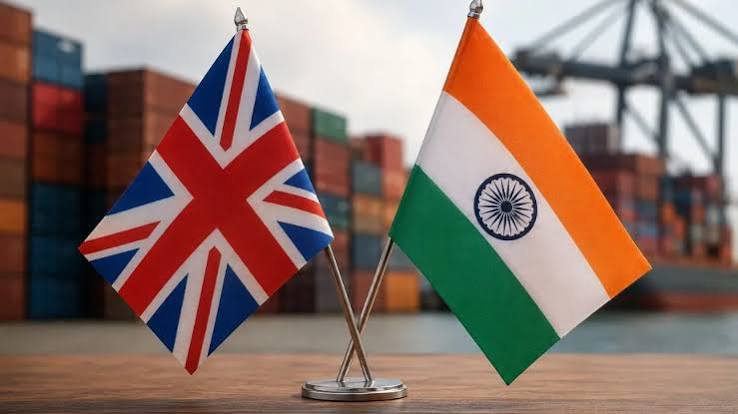
Free Trade Agreement (FTA), which came into force on Wednesday, marks a
defining milestone in bilateral economic ties, with British High Commissioner
Lindy Cameron describing it as a "new gold standard" for global trade
agreements. The pact is expected to unlock unprecedented opportunities for
businesses, strengthen supply chains and reinforce confidence in a rules-based
international trading system at a time of growing global economic uncertainty.
Officially known as
the Comprehensive Economic and Trade Agreement (CETA), the deal is being hailed
as one of the most significant trade accords of recent times. It grants
zero-duty market access to nearly 99 per cent of India's exports to the UK,
providing a major competitive advantage for Indian manufacturers and exporters
across a wide range of sectors.
 Calling the agreement
a historic moment for the modern UK-India partnership, Cameron said the pact
has unlocked the combined economic potential of two of the world's
fastest-growing major economies. She noted that the agreement is projected to
raise the combined GDP of India and the UK by nearly £5 billion while boosting
bilateral trade by more than £25 billion annually over the long term.
Calling the agreement
a historic moment for the modern UK-India partnership, Cameron said the pact
has unlocked the combined economic potential of two of the world's
fastest-growing major economies. She noted that the agreement is projected to
raise the combined GDP of India and the UK by nearly £5 billion while boosting
bilateral trade by more than £25 billion annually over the long term.
The implementation of
the agreement comes against the backdrop of a fragmented global trade landscape
shaped by protectionist measures, including US President Donald Trump's trade
policies, and continued geopolitical tensions in West Asia. Against this
challenging environment, the UK-India trade pact sends a strong signal in
favour of open markets, stable economic partnerships and a rules-based global
trading order.
Negotiated over three
years and finalised in July last year, the CETA provides comprehensive market
access for Indian goods across virtually all sectors. According to officials,
India will benefit from tariff elimination on about 99 per cent of tariff
lines, covering almost the entire value of its merchandise exports to the UK.
The agreement is expected to enhance export competitiveness, attract greater
investments and deepen economic integration between the two nations, paving the
way for sustained growth in bilateral commerce.