
THEBUSINESSBYTES
BUREAU
BHUBANESWAR,
MAY 19, 2026
In the villages
surrounding Odisha’s Kalahandi district, the arrival of summer has long brought
with it a deep sense of uncertainty. As temperatures soar and water bodies
shrink, farmers traditionally look anxiously towards the skies, waiting for
increasingly unpredictable monsoon rains that determine the fate of their crops
and livelihoods.
For generations,
agriculture in the region has remained heavily dependent on seasonal rainfall,
leaving thousands of farming families vulnerable to crop losses, declining
incomes, and distress migration. In climate-sensitive districts like Kalahandi,
erratic rainfall patterns and worsening water scarcity have steadily
intensified the challenges faced by rural communities.
Today, however, a
quiet but significant transformation is reshaping this reality across dozens of
villages near Lanjigarh, driven by the efforts of Vedanta Aluminium. Through
the revival of traditional water systems, scientific watershed planning, and
strong community participation, villages once grappling with chronic water
stress are gradually witnessing the return of reliable irrigation sources and
renewed confidence in farming as a sustainable livelihood.
Vedanta Aluminium’s
watershed development initiative, Project
Sangam, has enabled irrigation access across more than 800 acres of
farmland in 41 villages of Kalahandi, positively impacting over 9,000 people.
More importantly, the initiative is helping restore faith in agriculture among
local farming communities by creating dependable access to water throughout the
year.
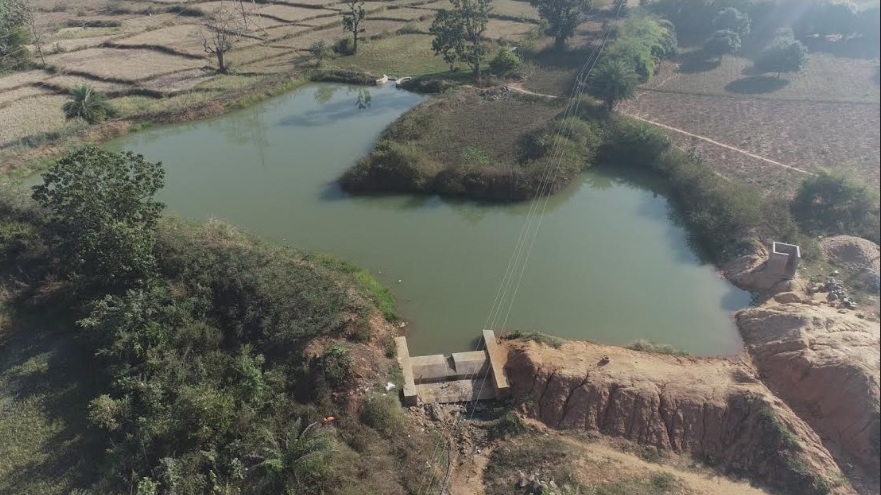
At the core of the
programme lies a simple yet impactful approach — conserving rainwater where it
naturally occurs. By rejuvenating traditional water bodies, strengthening
irrigation infrastructure, and scientifically managing monsoon runoff, the
initiative has created more than 11 lakh cubic metres of water recharge
potential. This has substantially improved groundwater availability in several
parts of the district, ensuring water accessibility well beyond the monsoon
season.
The impact is now
becoming increasingly visible across agricultural fields. Land that once
remained dry after a single crop cycle is supporting extended cultivation and
multiple cropping seasons. Improved soil moisture retention and stabilised
groundwater levels are enabling farmers to plan agricultural activities with
far greater certainty, reducing dependence on erratic rainfall.
“For years, our farming depended entirely on
uncertain rainfall. Now we have assured irrigation for our fields. Water
remains available for a much longer period, crop yields have improved, and
families are earning better incomes. Earlier, many people worried about leaving
the village in search of work during dry months. That need has reduced
significantly,” said Jugeswar Dalpati, a farmer from Lanjigarh.
The significance of
such interventions is particularly critical in climate-vulnerable regions like
Kalahandi, where experts have repeatedly highlighted the need for decentralised
watershed systems to tackle groundwater depletion and erratic weather
conditions.
Project
Sangam addresses these concerns through a combination of
scientific planning and strong community ownership. Local residents actively
participate in identifying water structures, maintaining assets, and managing
water usage, thereby ensuring long-term sustainability instead of dependence on
external support.
Beyond agriculture, the initiative is also contributing to wider ecological and social improvements. Enhanced groundwater recharge is improving drinking water availability, while better soil moisture is aiding land restoration and greener landscapes across the region. Vedanta Aluminium now aims to expand irrigation coverage to more than 3,500 acres while further strengthening year-round water access for farming and domestic needs.
In many ways, the transformation unfolding across Kalahandi goes beyond irrigation infrastructure alone. It reflects a larger effort to rebuild rural resilience in the face of climate uncertainty, restore confidence in agriculture, and demonstrate how sustainable water management can positively alter the future of entire communities.