
THEBUSINESSBYTES
BUREAU
NEW
DELHI, SEPTEMBER 23, 2026
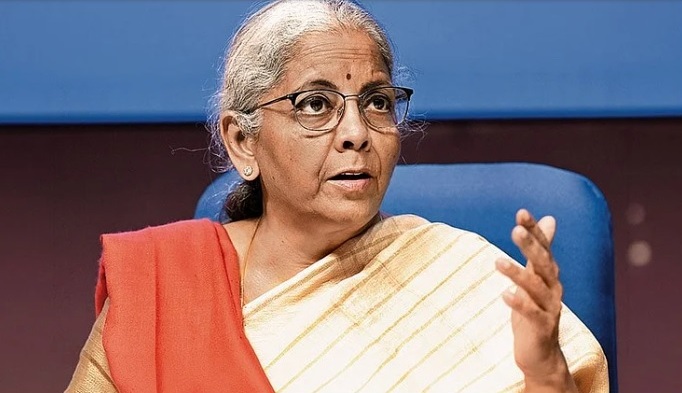
Finance Minister
Nirmala Sitharaman on Wednesday called for greater cooperation among BRICS
nations on international taxation and transfer pricing, highlighting the
disproportionate burden that cross-border tax disputes can place on developing
economies.
Addressing the
meeting of BRICS heads of tax authorities in New Delhi, Sitharaman said member
countries should share their experiences in treaty interpretation and
multilateral tax negotiations, particularly as global rules governing
international taxation undergo a major overhaul.
India has proposed
the creation of two new BRICS working groups — International Taxation and
Transfer Pricing, and Revenue Statistics — as countries negotiate a new
generation of international tax rules.
“The rules of international taxation are being
renegotiated,” Sitharaman said, noting that several multilateral initiatives,
including negotiations on the UN Framework Convention on International Tax
Cooperation, are currently under way.
She stressed that
decisions taken during the next few years could shape the framework for
cross-border taxation for a generation.
For BRICS economies,
which include major source jurisdictions and developing countries that have
significantly strengthened their domestic tax systems, a collective voice in
these negotiations is particularly important, she said.
Transfer pricing
involves determining the prices charged for goods, services or other
transactions between related companies, often operating across different
countries. Disputes arise when tax authorities differ over how much profit
should be allocated to a particular jurisdiction for taxation.
Such disagreements
can lead to prolonged disputes involving taxpayers and tax administrations, as
well as conflicts between tax authorities in different countries.
Against this
backdrop, the proposed International Taxation and Transfer Pricing Working
Group is expected to provide a permanent BRICS platform for exchanging
expertise on treaty interpretation, transfer pricing audits, Advance Pricing
Agreements (APAs) and Mutual Agreement Procedures (MAPs).
Revenue Secretary
Arvind Shrivastava said BRICS tax experts had spent two days examining the
proposed scope of the working group's activities.
He said the platform
would also enable BRICS members to coordinate their positions in multilateral
negotiations, including those related to the UN Framework Convention on
International Tax Cooperation, where he argued that a collective voice from the
bloc remains insufficient.
The proposed Revenue
Statistics Working Group is aimed at developing a framework for assessing
fiscal performance that better reflects the economic and institutional
realities of BRICS countries.
Shrivastava said the initiative would seek to avoid simply applying assumptions and benchmarks developed for economies with substantially different structures.
The twin proposals signal a broader push by BRICS tax administrations toward deeper coordination at a time when the international tax architecture is being reshaped. Greater cooperation on transfer pricing, dispute resolution and revenue statistics could give developing economies a stronger platform to articulate their interests in ongoing global tax negotiations.