
THEBUSINESSBYTES BUREAU
NEW DELHI, JANUARY 30, 2026
As India’s
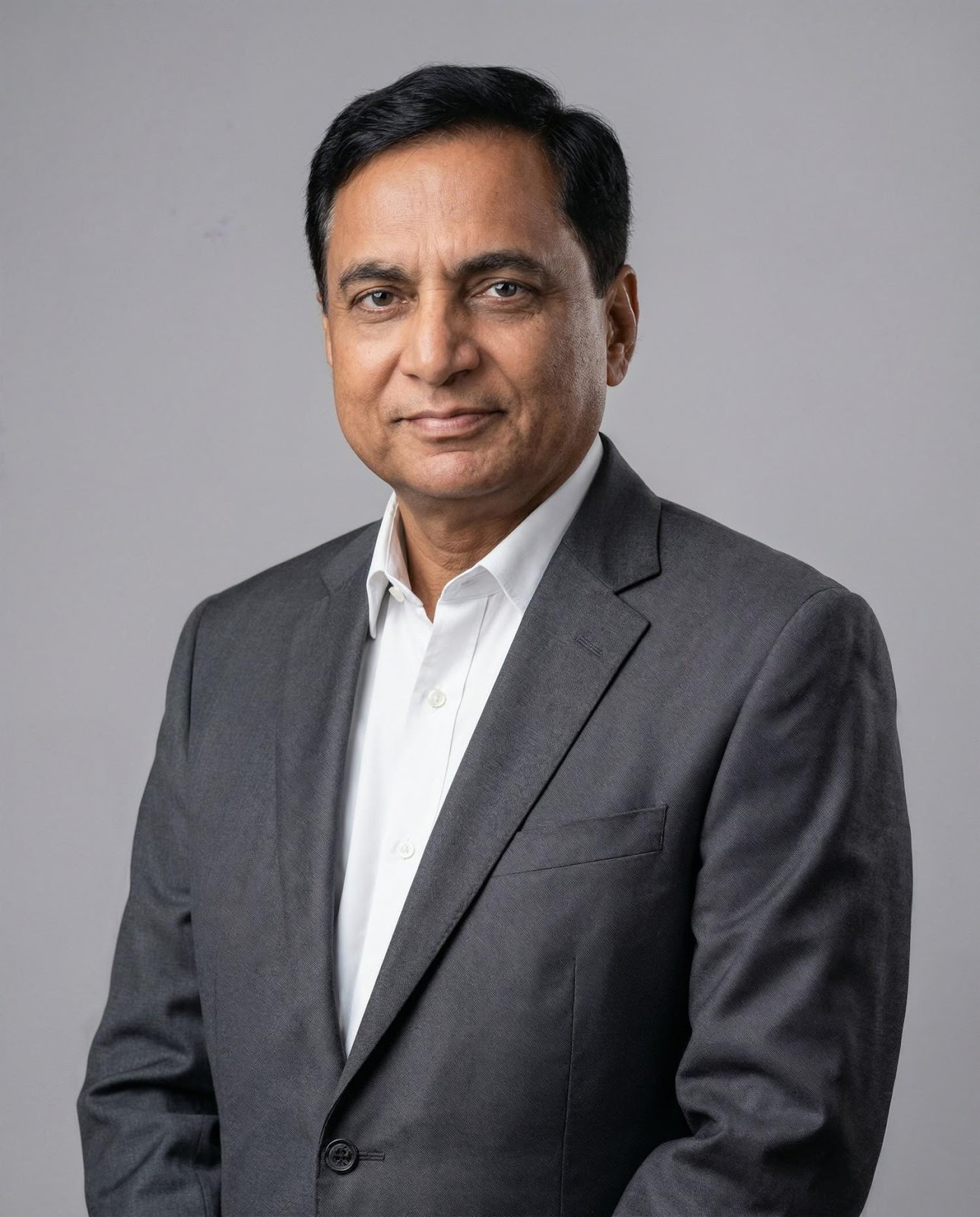
power sector stands on the cusp of a transformative growth cycle, BC Jindal
Group Promoter Shyam Sunder Jindal has called for a decisive policy push toward
advanced energy storage solutions in the Union Budget 2026, asserting that
batteries will be the backbone of the country’s renewable-led energy future.
With
renewable energy increasingly taking centre stage in India’s capacity expansion
plans, Jindal said the next phase of growth will be defined not just by clean
power generation but by the ability to store and dispatch energy reliably.
“FY26 marks a defining period for India’s power sector, with significant
capacity additions driven predominantly by renewable energy,” he said, adding
that as clean power generation gathers pace, energy storage will become
indispensable to ensure stability and round-the-clock supply.
Highlighting
expectations from the upcoming Budget, Jindal noted that supportive regulations
and enabling policies could accelerate the deployment of large-scale battery
storage infrastructure alongside renewable projects. “In the upcoming Budget
2026, favourable regulations and policies that enable the seamless deployment
of large-scale battery storage solutions are expected to guide the industry’s
expansion and help unlock the true potential of renewables,” he said.
Jindal also
underlined that access to financing remains a critical enabler for scaling up
clean energy projects across the country. Referring to the growing momentum in
distributed and rooftop solar installations, he said targeted interventions
would be key to sustaining growth. “We are observing the commissioning of
large-scale initiatives focused on deploying solar rooftop infrastructure.
Interventions that support project financing and address supply-chain bottlenecks
will be vital to aid growth at scale,” he remarked.
Beyond
infrastructure and capital, Jindal stressed the importance of policy measures
that strengthen the sector’s human capital. He said a robust framework to
promote skilled employment would enhance the industry’s long-term
competitiveness while supporting India’s broader economic objectives.
“Strengthening the policy ecosystem to enable skilled employment generation
will have a positive and lasting impact, contributing meaningfully to India’s
clean energy transition,” he added.
India’s
renewable energy journey has already gathered unprecedented momentum. In 2025,
the country recorded its highest-ever expansion in renewable capacity, with
non-fossil fuel installed power capacity reaching 263 GW. With power demand
rising steadily, the industry is now firmly aligned with the national ambition
of achieving 500 GW of non-fossil energy capacity by 2030. Experts believe this
trajectory will increasingly rely on hybrid renewable projects, storage-backed
capacity and round-the-clock clean power solutions.
Founded in
1952, the BC Jindal Group, led by Shyam Sunder Jindal, has built a diversified
presence across packaging films, energy and steel products.