THEBUSINESSBYTES
BUREAU
NEW DELHI, AUGUST 1, 2026
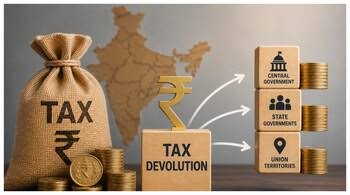
The Centre has released Rs 4,819 crore to
Odisha as part of an advance tax devolution package aimed at enabling states to
step up capital investment and fund development and welfare programmes, the
Finance Ministry said on Saturday.
The Union government frontloaded an additional
instalment of tax devolution amounting to Rs 1,09,019 crore to state
governments, over and above the normal monthly devolution scheduled for August
10, to provide them with greater fiscal space for accelerated expenditure.
Among the states, Uttar Pradesh received the
highest allocation of Rs 19,208 crore, followed by Bihar with Rs 10,845 crore,
Madhya Pradesh at Rs 8,010 crore, West Bengal at Rs 7,866 crore, Maharashtra at
Rs 7,022 crore and Rajasthan at Rs 6,460 crore.
Other major beneficiaries included Andhra Pradesh,
which received Rs 4,597 crore, Karnataka Rs 4,504 crore, Tamil Nadu Rs 4,466
crore and Jharkhand Rs 3,660 crore.
The latest advance release follows a similar
move in October last year, when the Centre had released an additional Rs
1,01,603 crore in tax devolution ahead of the festive season to support higher
capital spending and finance development and welfare-related expenditure by
states.
Meanwhile, data released by the Controller
General of Accounts showed that the Centre's fiscal deficit stood at Rs 3.1
lakh crore during the April-June quarter of the current financial year,
accounting for 18.2 per cent of the full-year Budget Estimate.
The fiscal deficit was higher than Rs 2.8 lakh
crore recorded in the corresponding period of the previous financial year,
reflecting increased government spending even as revenue collections remained
healthy.
For FY27, the Centre has pegged the fiscal deficit at Rs 16.96 lakh crore, or 4.3 per cent of GDP, in line with its fiscal consolidation roadmap.
Net tax receipts during the first quarter rose to Rs 6.4 lakh crore from Rs 5.4 lakh crore in the year-ago period, indicating sustained growth in both direct and indirect tax collections despite prevailing global economic uncertainties.