THEBUSINESSBYTES
BUREAU
BHUBANESWAR,
OCTOBER 21, 2026
Creating a clean and
healthy environment was the collective responsibility of citizens, industrial
establishments, educational institutions and all stakeholders, Chief Secretary
Anu Garg said on Wednesday, urging their cooperation for effective
implementation of the Solid Waste Management Rules-2026.
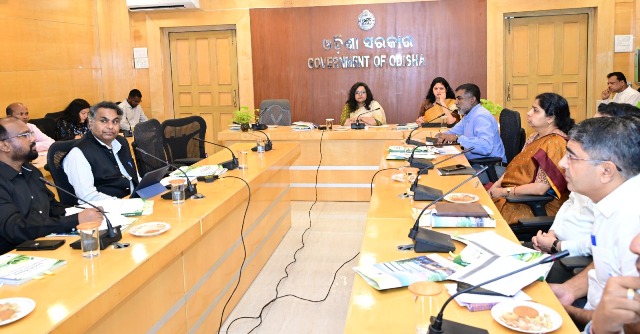
Chairing the first
meeting of the State-level Committee on implementation of the rules at Lok Seva
Bhavan here, Garg directed all concerned departments and District Collectors to
complete compliance-related works within the time frame prescribed by the
Odisha State Pollution Control Board (OSPCB).
The meeting, convened
by the OSPCB, reviewed measures to ensure effective implementation of the
rules, environmental protection and the creation of a cleaner and healthier
environment across the state. The discussions covered various provisions of the
rules, compliance with Supreme Court directions, departmental responsibilities
and the future course of action.
Additional Chief
Secretary of the Housing and Urban Development Department Usha Padhee,
secretaries of concerned departments who are members of the committee and
senior officials attended the meeting.
OSPCB Member
Secretary Dr Manoj V Nayar made a presentation on the key provisions of the
rules, highlighting solid waste collection and disposal, segregation at source,
scientific processing, digital monitoring and accountability of stakeholders.
The committee
reviewed the status of waste management in urban and rural areas and discussed
ways to strengthen collection, segregation and scientific processing in urban
centres, besides ensuring the safe disposal of residual waste.
Emphasising
compliance with Supreme Court directions, the meeting directed District
Collectors to ensure effective solid waste management systems, integrated
monitoring mechanisms and adherence to the prescribed norms in their respective
districts.
The discussions also
focused on setting up special cells at the district level, identifying suitable
land for waste management facilities, establishing sanitary landfills and
waste-processing systems, and ensuring the scientific treatment of legacy
dumpsites.
The committee further
stressed the need for strict action against bulk waste generators who fail to
comply with the prescribed rules.
As part of efforts to
strengthen waste management practices, the meeting discussed incorporating
solid waste management into the school curriculum and sensitising students to
environmental protection and cleanliness.
It was also decided to launch a massive public awareness campaign involving local communities, public representatives, industrial establishments, educational institutions and citizens to promote responsible waste disposal and encourage public participation in maintaining cleanliness.
The meeting underscored the need for close coordination and regular reviews among the Housing and Urban Development, Panchayati Raj and Drinking Water, Rural Development, and School and Mass Education departments, along with district administrations, the OSPCB and other implementing agencies.