THEBUSINESSBYTES
BUREAU
NEW
DELHI, SEPTEMBER 26, 2026
India has concluded
its long-pending Free Trade Agreement (FTA) with the European Union on what
Union Minister of State for Commerce and Industry Jitin Prasada described as
“equal terms”, marking a significant milestone after nearly 17 years of
negotiations and opening fresh opportunities for trade, investment and
industrial cooperation.
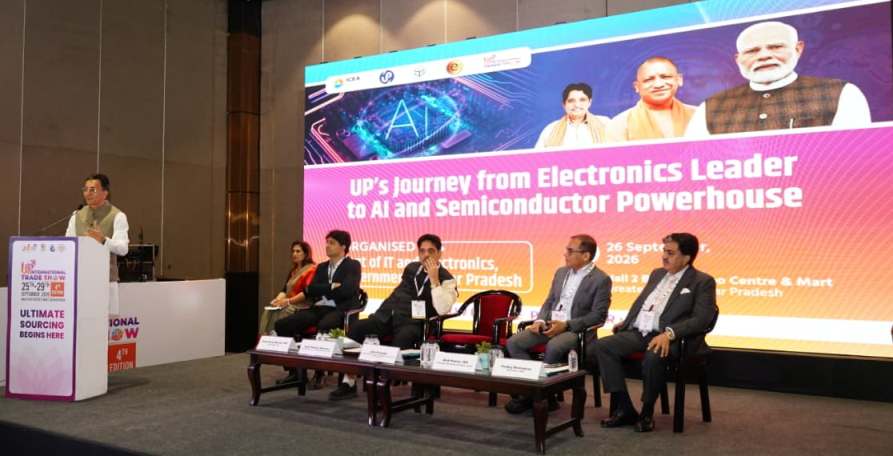
Speaking at the Uttar
Pradesh International Trade Show (UPITS) on Saturday, Prasada said the India-EU
trade pact represented a major achievement, particularly given the prolonged
stalemate that had characterised the negotiations in earlier years.
“The EU FTA was in talks for 17 years. They
were not ready to have a conversation with us. Our government was able to
strike a deal on equal terms,” he said.
India and the
European Union formally concluded negotiations for the trade pact on January
27, 2026. The negotiations had begun in 2007 but remained stalled for several
years before being relaunched in 2022.
The agreement has
since moved closer to implementation, with the European Commission submitting
the pact to the EU Council earlier this month for authorisation for signature
and conclusion.
Prasada highlighted a
broader shift in India's approach to foreign investment, saying the country
increasingly expects international companies to contribute to domestic manufacturing
and technological capabilities rather than viewing India primarily as a
consumer market.
He said foreign
companies looking to expand their operations in India would increasingly be
encouraged to explore joint ventures, technology partnerships and technology
transfers. Such collaborations, he said, could help strengthen domestic
industrial capabilities and build deeper manufacturing ecosystems.
The minister's
emphasis on technology transfer comes at a time when India is seeking to expand
its manufacturing base, improve productivity and integrate domestic industries
more closely with global supply chains.
Prasada also stressed
that greater access to international markets must be accompanied by
improvements in the quality of Indian products.
Indian manufacturers,
he said, need to focus on meeting global quality standards as they seek to
expand their exports and establish a stronger presence in international
markets.
“We need to ensure quality and the global
market is waiting for us,” he said.
The emphasis on
quality assumes added significance in the context of India's expanding trade
engagement, as domestic businesses seek to compete with established
international suppliers and take advantage of new market-access opportunities.
Artificial
intelligence, according to Prasada, could become another major driver of India's
next phase of industrial growth.
He said AI has the
potential to transform manufacturing by improving productivity and reducing
production costs, with micro, small and medium enterprises (MSMEs) standing to
benefit significantly from wider adoption of the technology.
For smaller
manufacturers, AI-enabled tools could support more efficient production
processes, quality management and cost optimisation, potentially strengthening
their competitiveness in both domestic and international markets.
Prasada also pointed
to Uttar Pradesh's growing role in data centres and AI-driven technologies,
highlighting investments by companies including Samsung and Yotta as indicators
of the state's emerging technology ecosystem.
The minister said broader adoption of AI across industries could significantly enhance India's industrial competitiveness.
The combination of the India-EU FTA, greater emphasis on technology transfer, stronger domestic manufacturing capabilities and rapid adoption of AI could, he suggested, help shape India's next phase of export-led industrial expansion.