Alleged
unauthorised publication of Late Odia writer Dhaneswar Samal’s works sparks
copyright concerns
THEBUSINESSBYES
BUREAU
CUTTACK,
SEPTEMBER 16, 2026
A serious allegation
of unauthorised publication and commercial exploitation of the literary works
of late Odia children’s writer Dhaneswar Samal has raised questions over the
protection of intellectual property and the rights of a deceased author’s legal
heirs.
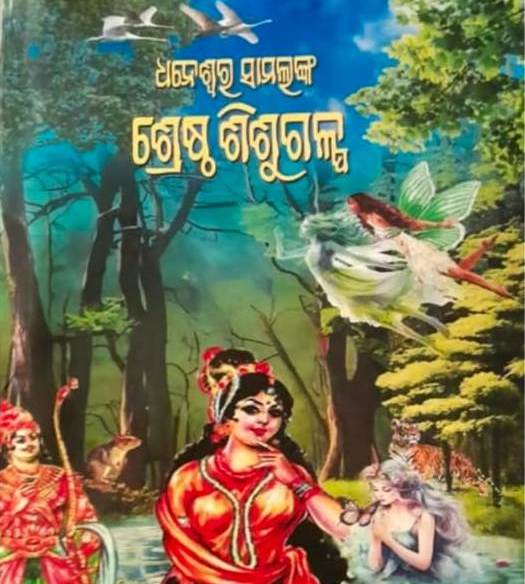
The book titled
“Srestha Sisu Galpa” (Best Children’s Stories), attributed to Dhaneswar Samal,
contains children’s stories that are alleged to have been taken from the late
writer’s collection “Dhaneswar Samalanka Sisu Galpa Samagra”
(Collected Children’s Stories of Dhaneswar Samal).
According to a
complaint raised by one of the author’s legal heirs, the stories were allegedly
compiled and published without formally contacting the writer’s heirs,
obtaining written permission, or completing the necessary documentation
relating to copyright ownership.
The book was
reportedly being offered for sale through an e-commerce website. Following an
inquiry by one of Samal’s legal heirs, the book was subsequently removed from
the website. However, a screenshot of the webpage showing the listing had
reportedly been preserved before its removal.
The allegation has
triggered concern among those familiar with Odisha’s literary circles,
particularly because the author is no longer alive and his literary rights and
legacy are therefore represented by his legal heirs.
The issue also raises
a broader question: Can the literary works of an author be reproduced, compiled
and commercially sold without the knowledge or consent of the person or persons
legally entitled to protect those works?
If the allegations
are substantiated, such conduct could raise significant copyright and
intellectual-property issues. Any unauthorised reproduction or commercial
exploitation of copyrighted literary material should be examined under the
applicable law, and responsibility should be determined through the appropriate
legal process.
The incident has also
prompted concerns that if the works of an established and respected deceased
writer can allegedly be reproduced and commercially marketed without
authorisation, the writings of other authors could potentially face similar
misuse.
Literary works are
intellectual property, not material to be appropriated for commercial gain
without lawful authority. The protection of an author’s rights does not end
with the author’s death; the legal rights associated with copyrighted works can
continue to be exercised by the appropriate rights holders under the law.
The allegations therefore warrant serious scrutiny by the concerned copyright holders and, if necessary, the appropriate legal authorities.
At a time when unauthorised copying of literary works is increasingly being described as a growing problem, the controversy surrounding Srestha Sisu Galpa serves as a reminder that the literary legacy of an author deserves the same respect and legal protection as any other form of intellectual property.