
THEBUSINESSBYTES
BUREAU
BHUBANESWAR,
JANUARY 12, 2026
The growing
preference for locally crafted, handmade products over factory-made décor is
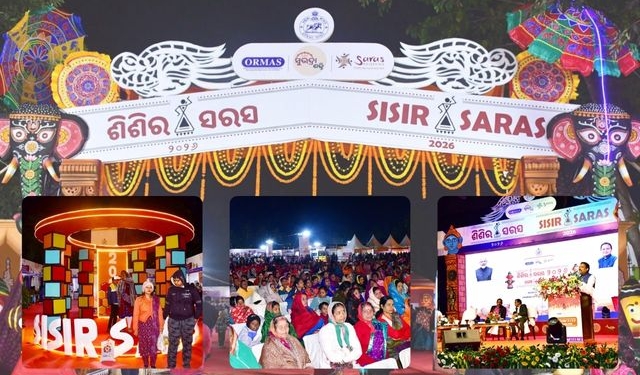
finding vibrant expression at this year’s Sisir Saras Festival, where
indigenous handicrafts are taking centre stage. This rising demand is not only
reviving age-old traditions but also strengthening livelihoods across the value
chain—from skilled artisans to rural communities involved in sourcing raw
materials. Backed by government support and increasing public appreciation,
local crafts are steadily gaining prominence at district, state and national
levels, a trend clearly reflected at the ongoing fair.
Among the many
attractions, live craft demonstration counters have emerged as a major draw for
visitors. Artisans can be seen creating an impressive array of products on the
spot, offering audiences a rare glimpse into the intricate processes behind
traditional craftsmanship. Items such as hand purses, fruit baskets, coasters,
dining mats, mirrors, boxes and other household utilities made from Sabai grass
are being crafted live. Decorative pieces fashioned from coconut fibre and
colourful wool threads, along with handcrafted animal and bird figures, have
also found enthusiastic buyers.
The live
counter showcasing the increasingly popular Tumba (dried gourd) craft is
witnessing particularly heavy footfall. Visitors are fascinated by the
transformation of naturally shaped gourds into elegant jewellery sets, flower
vases, lamps and desk décor items, each piece distinct in form and design. The
initiative also supports local farmers, who are provided seeds to cultivate
gourds later procured by artisans. According to chief artisan Himanshu Shekhar,
over 2,500 women are currently engaged in this craft, earning sustainable
livelihoods through the process.
Equally
captivating are the live Pattachitra demonstrations, where artisans paint
intricate motifs on palm leaves. Colourful sarees, dupattas, jute purses, bags
and artistic depictions of various deities further enrich the visual appeal of
the stalls, drawing continuous crowds.
A major
crowd-puller, especially among women, is the live fabric jewellery counter.
These eco-friendly, lightweight ornaments made from Sambalpuri fabric are being
sold under the brand name “Sambalpuri Sajo.” With an attractive range that
includes earrings and necklace sets at affordable prices, the stall has become
one of the most popular destinations at the fair.
Traditional
brass Dhokra items are also being crafted live using the age-old wax mould
technique, while innovative décor products such as flower vases and pen stands
are being created from waste paper. The live preparation of lac bangles has
added to the festive charm, with women eagerly selecting bangles tailored to
their preferences. Members of Self-Help Groups from districts including
Rayagada, Keonjhar, Sundargarh and Mayurbhanj are actively participating in
these demonstrations. Depending on size and intricacy, each product takes one
to three days to complete, making the experience both educational and engaging
for visitors, many of whom are purchasing items directly from the artisans.
The strong
public response has translated into robust business. Within the first two days
alone, the Sisir Saras Fair has recorded sales of approximately ₹2.47 crore, raising hopes of even higher turnover in the
days ahead.
Beyond
shopping, the festival’s cultural evenings are adding to its vibrant
atmosphere. The third evening featured captivating performances of Odisha’s
Sambalpuri dance, Andhra Pradesh’s Kuchipudi and Assam’s Pali dance. Musical
performances by Ollywood singer Antara Chakraborty, along with energetic sets
by popular Odia bands Trilok and Trisha, kept audiences enthralled and dancing,
making Sisir Saras a celebration of culture, creativity and community spirit.