THEBUSINESSBYTES
BUREAU
NEW DELHI,
OCTOBER 12, 2026
A study involving
more than 700 people who were hospitalised with COVID-19 has found distinct
changes in the bacteria inhabiting the mouth and lungs of patients with severe
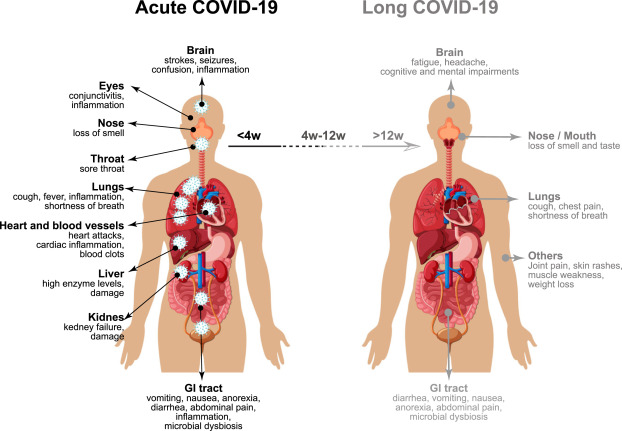
long Covid, with these microbial differences linked to respiratory impairment,
brain fog and digestive problems.
Published on Monday
in the European Respiratory Journal,
the study suggests that changes in the body's microbiome could offer fresh
clues to understanding why some people develop persistent and debilitating
symptoms following a Covid-19 infection.
The findings could
also open up new avenues for research into treatments for long Covid, a
condition that continues to affect millions of people worldwide, although
researchers cautioned that further studies are needed to establish whether the
microbial changes cause the condition or occur as a consequence of infection.
The research, led by
scientists from the University of Dundee in the UK, examined 771 people who had
received treatment for Covid-19 at 38 hospitals across the country between
February 2020 and March 2021. It was conducted as part of PHOSP-COVID, a major
UK research initiative jointly funded by the National Institute for Health and
Care Research and UK Research and Innovation.
Researchers
classified participants into four groups according to the severity of their
symptoms five months after hospital discharge, ranging from very severe cases
involving major physical, mental and cognitive impairments to mild cases
characterised by relatively good recovery.
Six months after
discharge, scientists collected saliva samples to examine microbes in the mouth
and sputum samples to analyse those in the lungs. DNA sequencing was used to
identify the microorganisms present, assess their diversity and abundance, and
examine their relationship with patients' symptoms.
The analysis revealed
pronounced differences in the oral and lung microbiomes of people experiencing
very severe long Covid compared with those who had less severe symptoms.
Importantly, changes
in the airway microbiome were associated not only with reduced lung function
but also with neurocognitive difficulties, including brain fog, memory problems
and impaired attention and concentration. The microbial differences were also
linked to gastrointestinal symptoms such as abdominal pain, nausea, diarrhoea
and loss of appetite.
Among the changes
identified was an increased abundance of bacteria that produce lactic acid.
These changes were also associated with signs of inflammation detected in
patients' blood samples, pointing to a possible relationship between microbial
imbalances and inflammatory processes in long Covid.
Lead author Dr
Daniela Alferes de Lima Headley said the microbiome was a strong candidate for
further investigation because it plays an important role in maintaining health
throughout the body.
She noted that
earlier research had identified changes in the gut microbiome among people with
long Covid, but examining the lung microbiome was particularly relevant given
that Covid-19 primarily affects the respiratory system.
Professor James
Chalmers, Chair of Respiratory Research at the University of Dundee and the
study's lead researcher, said patients with the worst symptoms five to six
months after infection showed substantial changes in their oral and lung
microbiomes.
He said the
association between airway microbes and symptoms extending beyond the lungs
suggested that the microbiome could have wider implications for health.
However, Chalmers
cautioned that researchers did not yet know whether the microbial differences
existed before infection, emerged after Covid-19 or would persist in subsequent
years. Further research is needed to determine whether these changes improve
naturally over time.
He said understanding
the mechanisms underlying long Covid could help scientists develop better
treatments, noting that the microbiome can potentially be modified through
approaches such as antibiotics, probiotics and other interventions. Such
approaches, however, would require further evaluation before their
effectiveness against long Covid could be established.
Professor Raquel
Duarte of the University of Porto, Portugal, who was not involved in the study,
said the findings provided an important basis for further research into the
most disabling forms of long Covid.
She said persistent
respiratory, cognitive and other symptoms continued to affect patients' ability
to work, study and manage everyday activities, placing a wider burden on
families, healthcare services and society.
Duarte added that
longitudinal and mechanistic studies would be necessary to establish whether
the observed microbial patterns could eventually help predict, prevent or treat
severe long Covid.
The PHOSP-COVID
research programme continues to investigate the long-term burden of the
condition, including the role of inflammation and potential treatments that
could help reverse its effects.