THEBUSINESSBYTES BUREAU
BHUBANESWAR, NOVEMBER 17, 2026
In a major push to strengthen educational opportunities for tribal
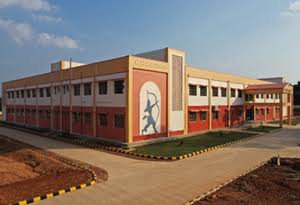
communities, Odisha has operationalised 24 new Eklavya Model Residential
Schools (EMRS) across seven districts, taking the total number of functional
schools in the State to 71.
The development marks a significant milestone in the State's efforts to expand
access to quality residential education, particularly for students from
tribal-dominated, remote and underserved areas.
Odisha has been sanctioned a total of 111 EMRS, the highest number among
all States in the country. Of these, 47 schools were functional earlier. With
the addition of 24 more institutions, the number of operational schools has now
risen to 71, reflecting the expansion of the State's tribal education
infrastructure.
According to the ST & SC Development Department, Government of Odisha,
the newly functional schools are expected to benefit approximately 1,440
students by providing access to quality residential education, modern learning
facilities and an environment conducive to their academic and overall
development.
Mayurbhanj district has the highest share of the newly operationalised
institutions, with eight schools at Raruan, Jashipur, Sukruli, Gopabandhunagar,
Saraskana, Bisoi, Badampahad and Bijatola. Keonjhar follows with five schools
at Saharapada, Harichandanpur, Banspal, Ghatagaon and Telkoi.
Nabarangpur has four newly functional schools at Kosagumuda, Umerkote,
Dabugaon and Raighar, while Sundargarh accounts for three institutions at
Tangarpalli, Subdega and Bisra. Two schools have become operational in Rayagada
district at Ramnaguda and Padmapur. Koraput and Kandhamal have one school each
at Padua and Tumudibandha, respectively.
At the national level, 533 Eklavya Model Residential Schools are
currently functional across 25 States and one Union Territory, underscoring the
expanding reach of the residential education initiative for tribal students.
The EMRS scheme is aimed at bridging educational gaps among tribal communities by ensuring access to quality schooling, especially for children living in geographically remote and educationally underserved regions. Besides academic excellence, these institutions emphasise the holistic development of students through sports, cultural activities, skill development and various co-curricular programmes.