
THEBUSINESSBYTES
BUREAU
BHUBANESWAR,
SEPTEMBER 3, 2026
Odisha is set to move
towards a fully digital and paperless deed registration system, with proposed
amendments to the Registration Act, 1908, also seeking to simplify the process
and limit registration documents to four pages, Revenue and Disaster Management
Minister Suresh Pujari said on Thursday.
Pujari said making
the registration system transparent, simple, expeditious and citizen-centric is
a key priority of the state government and the proposed paperless deed
registration system would enable citizens to access registration services in a
more convenient and hassle-free manner.
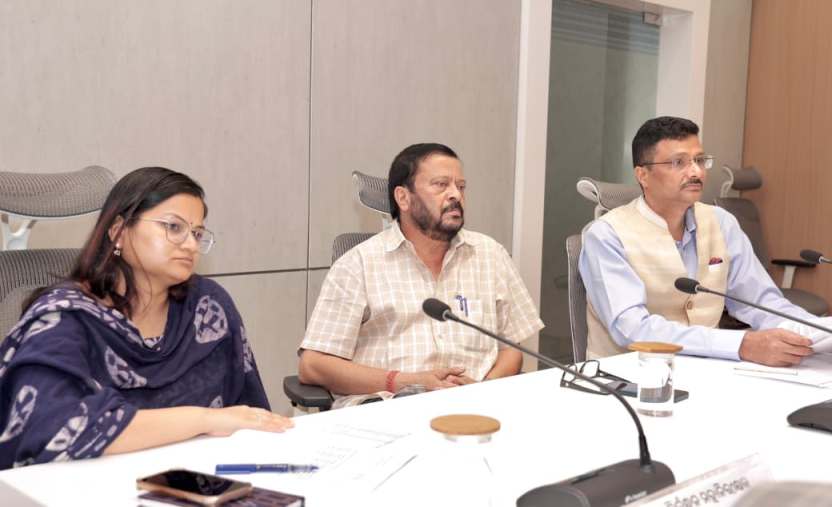
He made the remarks
while chairing a high-level meeting at Lok Seva Bhawan here to review the
proposed amendments to the Registration Act, 1908, required for introducing
paperless deed registration in the state.
"The proposed
Paperless Deed Registration system will make the registration process simpler,
faster, more transparent and citizen-centric," Pujari said, adding that
digital integration of land records with registration records would further
improve efficiency and ease of service delivery.
The proposed
amendments seek to transform the existing registration process into an
end-to-end digital registration system. For this purpose, amendments to eight
existing provisions of the Act and insertion of nine new provisions have been
proposed.
The amendments will
provide legal recognition to electronic books, electronic signatures and
electronic seals, besides enabling electronic preservation of registered documents
and granting legal validity to their electronic copies and records.
Under the proposed
framework, documents can be submitted electronically for registration and, in
specified cases, parties may also be allowed to appear and participate in
enquiries electronically. Registration records are also proposed to be linked
with a Unique Property Identification Number (UPIN) or an identification number
integrated with government land records.
The proposed system
will facilitate Aadhaar-based electronic identity verification with the consent
of citizens, while Aadhaar authentication will not be mandatory. Citizens will
also be able to establish their identity through offline verification,
Officially Valid Documents, e-Documents and other prescribed electronic modes.
Standard templates
will be developed for registrable documents, paving the way for greater
uniformity and reducing complexities in the registration process. Specified
categories of documents will also be eligible for fully electronic
registration.
Electronically issued
registration certificates will carry electronic signatures and electronic seals
and will have the same legal validity as their physical counterparts.
The proposed digital
framework will also integrate registration records with land records, cadastral
maps, revenue records, Urban Local Bodies, planning authorities, financial
institutions and other relevant government systems.
Integration of
registration records, land records and mutation registers will facilitate
initiation and completion of the mutation process electronically, thereby
reducing procedural delays and making post-registration services more seamless.
The proposed
e-Registration and Paperless Registration system will provide standardised deed
templates for documents including sale deeds, agreements to sell, general
powers of attorney and mortgages of immovable property.
The amendments will also establish a legal framework for preservation and archiving of electronic records, cyber security and disaster recovery, aimed at protecting the security and integrity of digital registration records and ensuring their long-term availability.
The state government has described the proposed changes as a major step towards a technology-driven and citizen-centric registration system. The Revenue and Disaster Management Department is working towards making registration services simpler, faster, secure and people-oriented, while ensuring seamless integration of land records with registration and other government databases.