THEBUSINESSBYTES
BUREAU
BHUBANESWAR,
OCTOBER 28, 2026
In a move aimed at
tackling urban flooding and safeguarding natural water systems, the Odisha
government has proposed a statewide framework to protect, restore and monitor
natural drainage channels, water bodies and flood-retention areas across urban
local bodies (ULBs).
The proposed Standard
Operating Procedure (SOP) seeks to prevent encroachment, unauthorised filling
and obstruction of natural drainage pathways while integrating their protection
into urban planning, land-use regulation and infrastructure development.
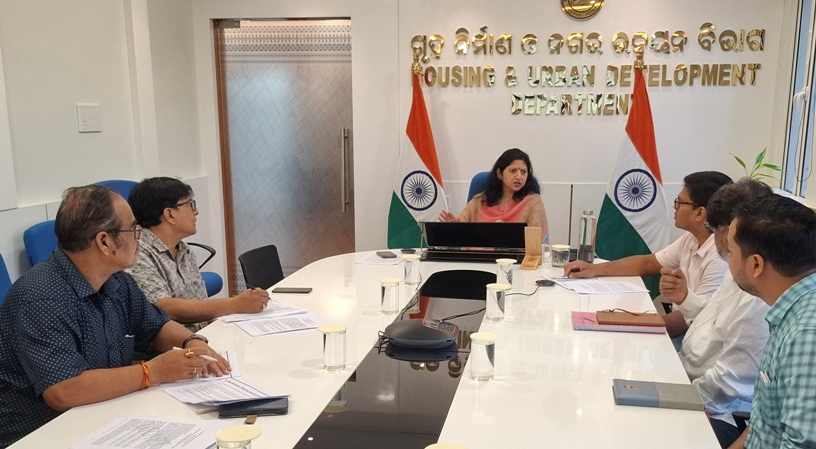
The proposal was
discussed at a meeting held here on Wednesday under the chairpersonship of
Housing and Urban Development Department Additional Chief Secretary Usha Padhee
at Kharavel Bhawan.
Emphasising the need for
a coordinated and scientific approach, Padhee directed the concerned
authorities to systematically identify and map critical drainage channels,
ponds, wetlands and other flood-retention areas, particularly in locations
vulnerable to waterlogging and flooding.
She stressed that
natural drainage pathways must be protected from encroachment, unauthorised
filling, blockage, diversion and other alterations that could disrupt the
natural flow of water. She also called for stronger coordination among departments
and urban local authorities to ensure that drainage protection becomes an
integral part of urban development planning.
At the core of the
proposed framework is the principle of “No Net Loss of Natural Drainage and
Flood-Storage Capacity”, which aims to ensure that development activities
neither disrupt natural drainage connectivity nor diminish the capacity of
areas that retain excess rainwater.
Under the proposed
mechanism, critical drainage networks and water bodies across Odisha's urban
local bodies would be surveyed, geo-referenced and mapped using Geographic
Information System (GIS) technology. The identified assets would subsequently
be integrated into urban development plans, land-use plans and Comprehensive
Storm Water Drainage Master Plans to strengthen planning,
development-permission procedures and flood-management measures.
The draft SOP also
envisages the constitution of district-level committees and dedicated
enforcement task forces, potentially under the chairpersonship of the
respective district Collectors, to coordinate the identification, protection,
restoration and monitoring of natural drainage systems and water bodies.
To improve
accountability and enable timely intervention, the framework proposes regular
inspections, particularly ahead of the monsoon, digital documentation of
encroachments and restoration measures, and periodic monitoring of vulnerable
locations.
Development proposals
affecting protected drainage pathways and water bodies would be examined in
accordance with applicable statutory provisions and technical requirements to
ensure adequate drainage connectivity and preserve flood-storage capacity.
The initiative seeks
to address the growing challenges associated with urban flooding by
incorporating natural drainage systems into planned urban growth, thereby
reducing avoidable flood risks and protecting lives, property and public
infrastructure.
The proposed
framework also aims to promote safer, more sustainable and climate-resilient
urban areas across the state by strengthening interdepartmental coordination
and ensuring that natural water-flow routes are considered in infrastructure
and land-use decisions.
However, the SOP remains a draft under consideration. The state government will take a decision on its approval and the appropriate mechanism for its issuance and implementation. Any enforcement measures will be undertaken in accordance with applicable laws and regulations.
Among those who attended the meeting were Director of Municipal Administration Arindam Dakua, Chief Engineer-cum-Additional Secretary Bhagyadhar Mohanty, the Engineer-in-Chief (Drainage) of the Water Resources Department, town planners and other concerned officials.