THEBUSINESSBYTES
BUREAU
BHUBANESWAR,
MAY 21, 2026
In a bold and timely
administrative intervention aimed at insulating the state from the ripple
effects of rising fuel prices triggered by instability in West Asia, Odisha
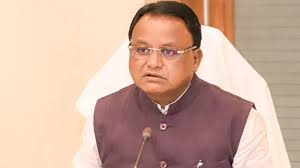
Chief Minister Mohan Charan Majhi has unveiled a sweeping eight-point directive
designed to drastically cut petrol and diesel consumption across all government
institutions.
Setting a strong
example at the top, the Chief Minister — who has already reduced the number of
official vehicles in his own office by half and urged citizens to minimise
unnecessary fuel usage — has now expanded the campaign into a statewide
administrative reform that integrates technology, electric mobility, and
behavioural change in governance.
The move comes after
the Chief Minister’s appeal to Prime Minister Narendra Modi, seeking
national-level attention to the emerging fuel crisis.
Taking the initiative
further at the state level, he has directed the Chief Secretary to ensure
strict enforcement of the new measures from the State Secretariat to block-level
offices, public sector undertakings, universities, and all government
establishments across Odisha.
At the core of the
plan is a virtual-first governance model, under which all non-essential
meetings, reviews, trainings, and workshops will be conducted online, with
physical presence limited strictly to essential officers. In a significant push
toward clean mobility, the state has mandated that from June 1, all new
two-wheelers and four-wheelers procured or hired by government offices must be
electric vehicles, with conventional fuel vehicles permitted only under
exceptional and justified circumstances.
The reform package
also introduces shared mobility for senior officials, including compulsory
carpooling for those entitled to official vehicles, alongside an immediate
reduction in fuel quotas for such cars. The Finance Department has been tasked
with issuing updated guidelines within 15 days to clearly define eligibility
criteria for the use of government vehicles for personal purposes.
Further emphasising
sustainable travel practices, officials undertaking field inspections and
official visits will be encouraged to prefer trains and buses over cars and
flights wherever feasible. In another progressive step, government employees
owning private electric vehicles will soon receive guidelines enabling their
use for official duties along with reimbursement provisions.
To support daily commuting needs, electric buses and minibuses will be introduced to transport employees from major government residential clusters, while each department has been instructed to achieve at least a 10 per cent reduction in monthly petrol and diesel consumption through better planning, monitoring, and efficiency measures.
Describing the initiative as a “zero tolerance” mission, the Chief Minister has made it clear that compliance will be strictly enforced across the administrative machinery, positioning Odisha as a frontrunner in energy-conscious governance and climate-responsive policymaking amid global uncertainties.