THEBUSINESSBYTES
BUREAU
BHUBANESWAR,
SEPTEMBER 18, 2026
Odisha has
intensified its multi-pronged campaign against drug abuse and narcotics
trafficking, with the state government sharpening enforcement, expanding
rehabilitation services and promoting alternative livelihoods in six identified
narcotics hotspots.
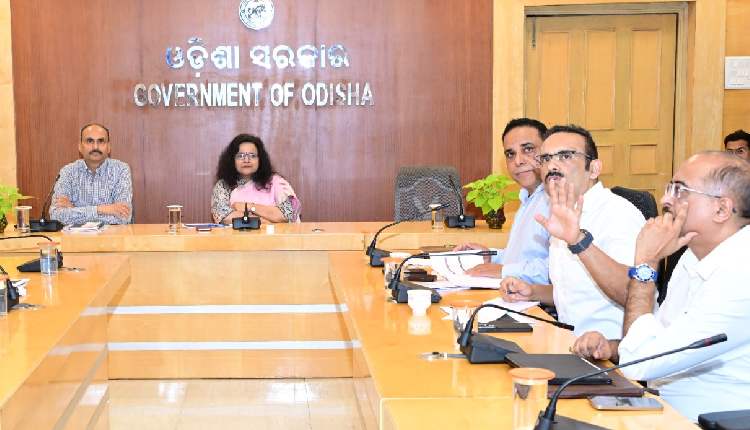
Chief Secretary Anu
Garg on Thursday reviewed the implementation of the Nasha Mukt Bharat Abhiyan
(NMBA) in the state, laying emphasis on reducing demand for narcotics,
disrupting drug trafficking networks and strengthening treatment,
rehabilitation and social reintegration of people affected by substance use.
The review meeting,
convened by the Special Task Force (STF) of the CID-Crime Branch at Lok Seva
Bhawan, brought together officials from the Odisha Police, district
administrations and various departments to chalk out coordinated measures to
prevent drug abuse and improve access to counselling, treatment and
rehabilitation.
STF Inspector General
Himanshu Lal briefed the meeting on the intensified action against the
narcotics trade following the seventh State Narco-Coordination Meeting held in
June. Officials said raids and awareness drives have been stepped up across
blocks, gram panchayats and villages in six identified hotspots — Malkangiri,
Koraput, Rayagada, Kandhamal, Gajapati and Boudh.
Authorities are also
joining hands with Panchayati Raj representatives as well as Forest and Revenue
officials to encourage alternative sources of income in areas where ganja
cultivation is prevalent. The focus is on creating sustainable livelihood opportunities
so that vulnerable communities can move away from activities linked to the
illegal narcotics trade.
The state has
simultaneously strengthened its response to inter-state drug trafficking
networks. New investigation checklists and range-level task forces have been
constituted to improve the quality of narcotics cases, while coordination with
neighbouring states and the Narcotics Control Bureau has been stepped up.
An inter-state video
conference involving West Bengal, Tamil Nadu, Andhra Pradesh and the NCB was
held on September 10, while district-level Narcotics Coordination Committees
are also being strengthened to improve information sharing and coordinated
action.
On the rehabilitation
front, 41 integrated rehabilitation centres are currently functioning in Odisha
under initiatives linked to the National Action Plan for Drug Demand Reduction
(NAPDDR). In addition, 11 DISHA rehabilitation centres are operational in 10
districts, with five more centres in the process of being established. The remaining
16 districts will be covered in phases.
The government is
also seeking to connect rehabilitation with skill development and livelihood
generation, with programmes covering activities such as tailoring, handicrafts,
incense-stick making and digital literacy.
Garg stressed the
need to create viable alternatives for people involved in ganja cultivation or
the narcotics trade, urging greater promotion of agriculture, horticulture,
goat rearing, poultry, pisciculture, plantation and skill-development activities.
The Chief Secretary
also called for wider involvement of educational institutions, youth, women,
Panchayati Raj Institutions, urban local bodies, NGOs, NSS, NCC and other
social organisations in the campaign.
She emphasised
strengthening community-level awareness and ensuring early identification of
substance-use problems, along with timely counselling, treatment,
rehabilitation and social reintegration.