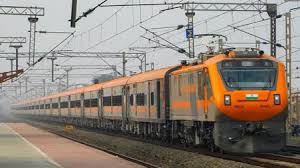
Near-total
electrification of rail network strengthens energy security, ensures seamless
passenger and freight movement
THEBUSINESSBYTES
BUREAU
NEW
DELHI, MARCH 6, 2026
Indian Railways’
ambitious electrification drive over the past decade is emerging as a crucial
strategic safeguard against global oil supply disruptions, particularly amid
the ongoing geopolitical tensions in West Asia. With 99.4% of the Broad Gauge
(BG) railway network now electrified, India has achieved one of the world’s
largest railway infrastructure transitions, significantly reducing its
dependence on imported diesel.
The rapid
electrification programme, executed in mission mode, has enabled Indian Railways
to shift the bulk of its operations to electric traction, powered largely
through domestically generated electricity. This transformation has
strengthened the country’s energy security while reducing exposure to
volatility in international crude oil markets.
 With global energy
supply chains facing uncertainties due to geopolitical developments, the
electrification of the rail network has become increasingly significant. By
relying more on electricity produced through a diversified mix of sources
including coal, hydro, solar, and other renewable energy, Indian Railways has
insulated a major segment of the country’s transport infrastructure from the
risks associated with fluctuating oil supplies.
With global energy
supply chains facing uncertainties due to geopolitical developments, the
electrification of the rail network has become increasingly significant. By
relying more on electricity produced through a diversified mix of sources
including coal, hydro, solar, and other renewable energy, Indian Railways has
insulated a major segment of the country’s transport infrastructure from the
risks associated with fluctuating oil supplies.
The impact of this
transition is evident in the sharp reduction in diesel consumption across the
railway network. Indian Railways saved 178 crore litres of diesel in 2024–25
compared to 2016–17 levels, reflecting a 62% decline in diesel usage over the
period. The shift underscores how large-scale electrification is transforming
the operational and financial dynamics of one of the world’s largest rail
networks.
The move towards
electric traction has also helped stabilise long-term energy expenditure.
During 2024–25, Indian Railways spent ₹32,378 crore on total energy
consumption for traction, with the majority of the expenditure now directed
towards electricity rather than diesel. This structural shift not only
optimises operational costs but also enhances resilience against sharp
fluctuations in global crude oil prices.
Experts note that
electrification has given Indian Railways greater operational flexibility and
reliability. Electric locomotives offer higher efficiency, lower maintenance
costs, and improved hauling capacity, enabling smoother passenger and freight
operations across the network.
The near-complete
electrification of the Broad Gauge network therefore represents more than just
an infrastructure milestone. It is increasingly being viewed as a strategic
national preparedness measure that strengthens India’s energy independence
while ensuring uninterrupted mobility of passengers and goods during periods of
global economic or geopolitical stress.
As India continues to expand its renewable energy capacity, the electrified rail network is expected to progressively integrate greener power sources, further improving the sustainability profile of railway operations.
By reducing dependence on imported diesel and expanding the use of electric traction, Indian Railways is reinforcing the reliability, sustainability, and energy efficiency of one of the world’s largest transportation systems—while also positioning the country’s rail network as a resilient backbone of national logistics in times of global uncertainty.