
A sip of hot tea on a cool morning or a spoonful
of ice cream can trigger a sudden, sharp twinge in the teeth. Often dismissed
as a passing discomfort, tooth sensitivity may, however, point to underlying
dental issues that warrant attention. As seasonal changes alter dietary
preferences and daily routines, the discomfort can become more noticeable,
particularly among people with worn enamel, exposed dentin or receding gums.
Changes in weather do not necessarily cause
tooth sensitivity, but fluctuations in temperature and shifts in food and
beverage consumption can bring an existing problem to the fore. Frequent
exposure to very hot or cold foods and drinks may aggravate the discomfort,
making routine activities such as drinking tea, eating ice cream or brushing
one's teeth unpleasant.
Tooth sensitivity occurs when the protective enamel wears down or the gums recede, exposing the dentin beneath. This layer contains microscopic channels that allow external stimuli to reach the nerves inside the tooth, triggering a brief, sharp sensation. Other factors, including plaque accumulation, tooth decay, cracked teeth and certain dental procedures, may also contribute to sensitivity.
Although occasional discomfort may seem minor,
persistent or recurring sensitivity should not be ignored. It can indicate an
underlying dental problem that requires professional assessment. Maintaining
good oral hygiene, brushing gently with a soft-bristled toothbrush and limiting
frequent exposure to acidic foods and drinks can help protect the teeth. Using
a toothpaste formulated for sensitive teeth may also provide relief, depending
on the cause of the discomfort.
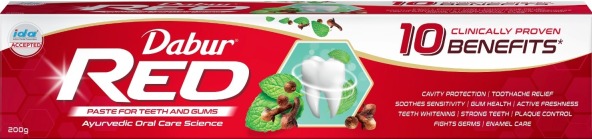
Regular oral care, rather than short-term remedies, remains central to maintaining dental health. Products containing ingredients traditionally used in oral care are also part of the options available to consumers. Dabur Red Toothpaste, for instance, contains Ayurvedic ingredients such as laung (clove) and sunthi (ginger), which are traditionally associated with oral care. The product carries the Indian Dental Association (IDA) Seal of Acceptance. Consumers should, however, remember that toothpaste cannot replace a dental examination when sensitivity persists or is accompanied by pain.
As the weather changes and daily habits evolve, maintaining a consistent oral hygiene routine can help protect teeth and gums. Paying attention to early signs of sensitivity and seeking timely dental advice, when necessary, can help prevent minor discomfort from developing into a more serious concern.