THEBUSINESSBYTES
BUREAU
KOLKATA,
MAY 4, 2026
Delivering a mandate
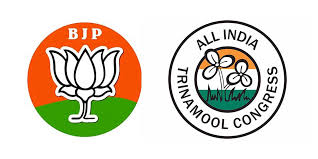
both emphatic and transformative, the Bharatiya Janata Party (BJP) on Monday stormed to power in West
Bengal with 206 seats, clinching a two-thirds majority and bringing an end to
the 15-year rule of the Trinamool Congress, in a verdict that signals a
profound shift in the state’s political and ideological landscape.'
The outcome carried
heightened political drama as Chief Minister Mamata Banerjee suffered a
stunning defeat in the prestigious Bhabanipur constituency at the hands of
BJP’s Suvendu Adhikari. The reversal capped a remarkable turnaround after early
counting trends had briefly suggested an advantage for the incumbent leader,
adding a layer of symbolic weight to the BJP’s emphatic victory.
What began as
tentative leads for the BJP soon crystallised into a decisive wave. The latest
Election Commission of India data showed the BJP had won 206 seats, while the
TMC trailed significantly with 79 seats and leads in two others. The saffron
surge breached the halfway mark of 148 in the 294-member House well before
counting reached its midpoint, underlining the scale, speed and geographic
spread of the party’s advance.
For the first time
since 1972, West Bengal is set to be governed by a party that also holds power
at the Centre—an alignment expected to carry significant administrative and
political implications. The result also marks the BJP’s decisive entry into one
of the last major eastern strongholds it had yet to capture, completing its
political arc across ‘Anga, Banga and Kalinga’ (Bihar, Bengal and Odisha) and
paving the way for it to form a government in the state for the first time.
Prime Minister
Narendra Modi hailed the outcome, declaring that the “Lotus blooms in West
Bengal” and asserting that the party would work to fulfil the aspirations of
the people. At the core of the BJP’s campaign was Modi himself, whose
high-voltage rallies and direct voter outreach made him the central face of the
party’s push in the state. Union Home Minister Amit Shah, widely seen as the
chief strategist, played a pivotal role in building booth-level organisational
strength, refining candidate selection, and consolidating diverse social
coalitions.
The BJP’s rise in West Bengal has been gradual but relentless. From a marginal vote share of around four per cent in 2011, the party surged to nearly 40 per cent in the 2019 Lok Sabha elections and secured 77 seats in the 2021 Assembly polls, displacing the Left and Congress as the principal challenger to the TMC. However, translating that growth into outright power had remained elusive — until now.
Monday’s verdict, therefore, represents more than just an electoral triumph. It reflects a long-term political recalibration, reshaping the contours of Bengal’s political landscape and setting the stage for a new phase in the state’s governance and its engagement with national politics.