
Reliable
mobile connectivity is helping fishermen stay in touch with families, respond
to weather alerts and manage their fishing operations with greater certainty
THEBUSINESSBYTES
BUREAU
BHUBANESWAR,
SEPTEMBER 20, 2026
For generations, fishing along Odisha’s 480-km
coastline has meant living with uncertainty. A boat leaving Paradip may return
in four days with a good catch, or spend two weeks at sea travelling towards
West Bengal or Andhra Pradesh. Every voyage involves substantial spending on
diesel, food and drinking water, while families on shore often have little idea
of how the journey is progressing until the boat returns.
Today, connectivity
is helping change that equation.
While the sea remains
unpredictable, access to mobile connectivity is giving fishermen a vital link
to the shore. With the Jio network covering parts of Odisha’s coastline and
extending several kilometres into the sea in some areas, fishermen can stay in
touch with their families, boat owners and others on shore even when they are
away from land.
For Harekrushna
Mallik, a fisherman from Paradip who has spent years navigating these waters,
the difference is both simple and significant. Being able to call home while at
sea means he can hear a familiar voice and know that his family is safe and
well.
But the benefits
extend beyond staying in touch.
Mallik can now call
ahead when his boat begins its return journey, giving his boat owner, family
and others on shore time to prepare. He can also receive information about
fishing conditions and areas where fish are being found, helping turn some of
the uncertainty surrounding each trip into better-informed decisions.
Connectivity can also
become crucial when weather conditions change. During periods of adverse
weather, timely communication can allow boat owners and others on shore to
alert crews about approaching cyclones, depressions or other potentially
dangerous conditions, giving fishermen valuable time to respond.
“Being able to stay connected ensures our
safety at sea,” Mallik says.
Better Planning, Greater
Certainty on Shore
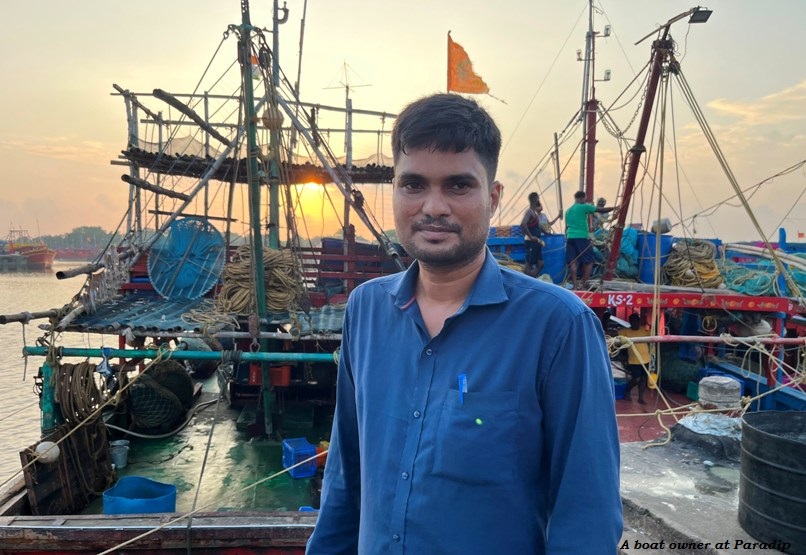
For Gyana Ranjan
Mohanty, who owns two fishing boats in Paradip, connectivity has brought
greater visibility to a business in which many decisions have traditionally
depended on uncertainty.
Mohanty says reliable
mobile connectivity along the coastline is one reason many fishermen choose to
use Jio SIMs. Instead of simply waiting for his boats to return, he can receive
regular updates from the crew about the catch, including its quantity and
quality. At times, the crew even makes video calls from the boat, allowing him
to see the catch while the vessel is still at sea.
That information
helps him prepare in advance.
When the crew informs
him that the boat is heading back, Mohanty can arrange ice, packaging and
unloading labour before the vessel reaches shore. Buyers can also be alerted,
helping ensure that the catch can be moved quickly and reducing the time it
remains exposed to heat.
For Mohanty,
connectivity therefore has a direct bearing on the economics of a fishing trip.
Diesel, ice and labour are significant expenses, and delays or a poor catch can
affect the returns from an entire voyage. Having information while the boat is
still at sea helps him plan resources more efficiently and minimise avoidable
wastage.
What a Signal at Sea Really Means
The experiences of
fishermen like Mallik and boat owners like Mohanty illustrate how connectivity
can make a difference in a profession shaped by uncertainty.
Jio’s network cannot
change the sea or determine the size of a catch. What it can do is help fishermen
stay connected with their families, share information more quickly, respond to
changing weather conditions, coordinate operations and make better-informed
decisions.
For communities that have lived by the unpredictable rhythm of the tides for generations, that connectivity can mean more than simply having a phone signal.
It can mean a fisherman at sea is never completely out of touch — with his family, his business or the shore he plans to return to.