
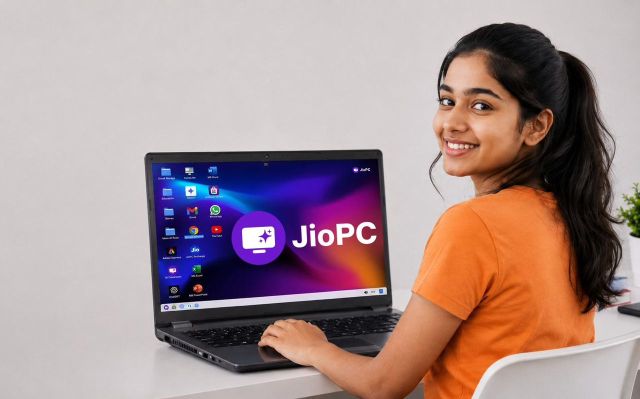
Subscription-based
service allows users to turn existing computers, monitors and televisions into
cloud-powered computing platforms, with access to productivity and AI tools
THEBUSINESSBYTES
BUREAU
BHUBANESWAR,
OCTOBER 12, 2026
Jio is seeking to
make advanced computing more accessible to students and educational institutions
through JioPC, a subscription-based cloud computing service that allows users
to access a computing environment without investing in a new computer. The
service is aimed at students, schools, colleges and skilling centres looking to
upgrade their computing capabilities while keeping hardware costs low.
JioPC allows users to
access a cloud-based computing environment through existing devices, including
laptops, desktops and, with a Jio set-top box, televisions connected to
compatible displays. Users can also access the service through a web browser,
enabling them to use their computing environment across different devices and
locations.
The service is not
restricted to Jio subscribers. Users of other internet service providers can
access JioPC through a browser, provided they have an active subscription and
an internet connection.
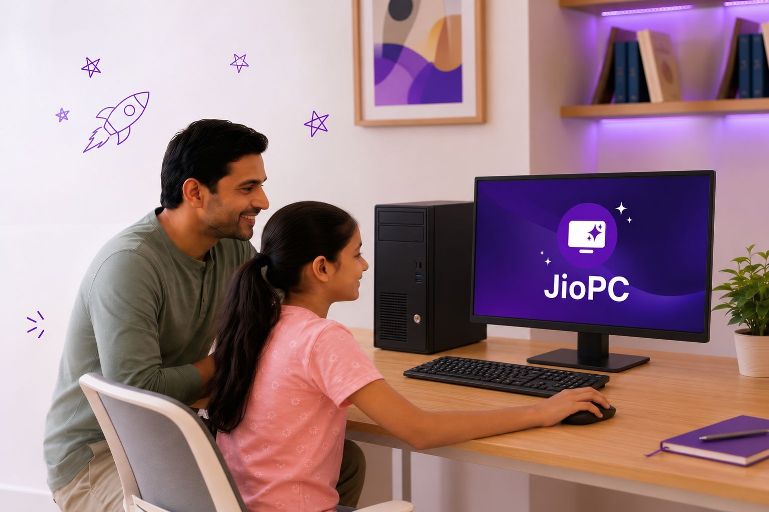 For students, the
service offers computing capabilities for online and hybrid classes,
educational applications, coding, design, research and generative artificial
intelligence (AI) tools. As academic work increasingly relies on digital
platforms and computing-intensive applications, JioPC offers an option to
access an upgraded computing environment without replacing an existing laptop
or desktop.
For students, the
service offers computing capabilities for online and hybrid classes,
educational applications, coding, design, research and generative artificial
intelligence (AI) tools. As academic work increasingly relies on digital
platforms and computing-intensive applications, JioPC offers an option to
access an upgraded computing environment without replacing an existing laptop
or desktop.
The service could
also help schools, colleges and skilling centres extend the life of their
existing computer infrastructure. Institutions can upgrade the computing
capabilities available in their laboratories without replacing every machine,
potentially reducing the cost of modernising facilities while minimising
disruption to teaching and learning.
JioPC follows a
configurable, subscription-based model under which users can choose a plan
according to their computing requirements. The approach allows them to access
cloud computing resources without making a substantial upfront investment in
new hardware.
JioPC offers two
subscription options to cater to different computing requirements. The standard
JioPC plan, which comes with 8 GB RAM and 500 GB storage, is priced at ₹1,000 for two
months, ₹2,000 for five months and ₹4,000 for
a 10+2-month validity period. The JioPC Ultra plan, featuring 16 GB RAM and 1
TB storage, costs ₹1,200 for two months, ₹2,500 for five months and ₹5,000 for
a 10+2-month validity period. The subscription-based pricing
allows users to choose a plan according to their computing needs without making
a substantial upfront investment in new hardware.
JioHome customers can
also redeem a ₹100-per-month
JioHome voucher against their broadband bill, reducing the effective
cost of the service for eligible subscribers.
Getting started with
JioPC does not require data migration or a hardware upgrade, according to the
company. Users can access their computing environment through their login
credentials across supported devices, form factors and locations.
The service runs on
an Ubuntu-based Linux interface and includes LibreOffice and web browsers for
accessing online applications, including Microsoft 365. It also supports tools
such as Adobe Express, expanding its potential use for productivity, learning
and creative work.
Unlike a conventional computer, where files are typically stored on the device, JioPC uses cloud storage that the company describes as enterprise-grade, with disaster recovery provisions. Its Zero Trust security model is intended to protect access to the computing environment. Since data is not stored locally on the user's device, the loss of or damage to a computer or set-top box would not, by itself, result in the loss of data stored in the cloud.
By combining cloud-based computing, device-independent access, configurable resources and subscription pricing, JioPC seeks to address the cost and maintenance challenges associated with conventional computer ownership. For students and educational institutions, the service offers an alternative to frequent hardware upgrades while providing access to digital learning, productivity and AI-enabled applications.