THEBUSINESSBYTES BUREAU
BHUBANESWAR, FEBRUARY 20, 2026
Odisha has unveiled a massive ₹3.10 lakh crore Budget for
2026–27, positioning itself
on an aggressive growth trajectory anchored in infrastructure expansion, rural
empowerment, social protection, technological transformation and cultural
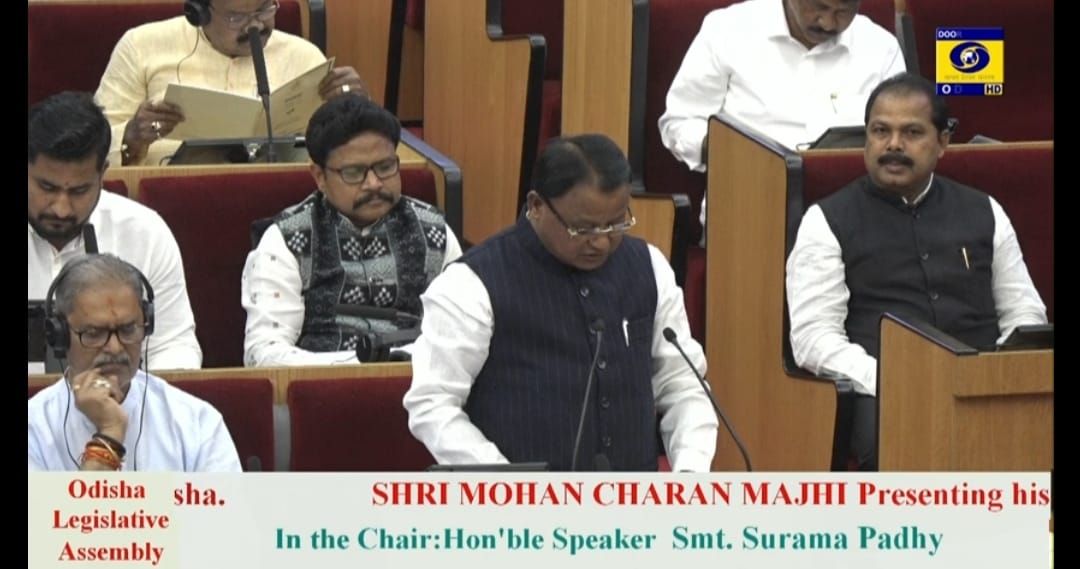
pride. Presented in the Assembly by Chief Minister Mohan Charan Majhi, who also
holds the Finance portfolio, the budget marks a significant jump from ₹2.90 lakh
crore in the previous year and lays out a six-pillar development doctrine
focused on people-centric governance, prosperity, heritage, technology and
grassroots development.
 A defining feature of the fiscal plan is the strong emphasis on capital
creation. With a capital outlay of ₹72,100 crore — about 6.5
percent of GSDP — Odisha has once again positioned itself among the top states
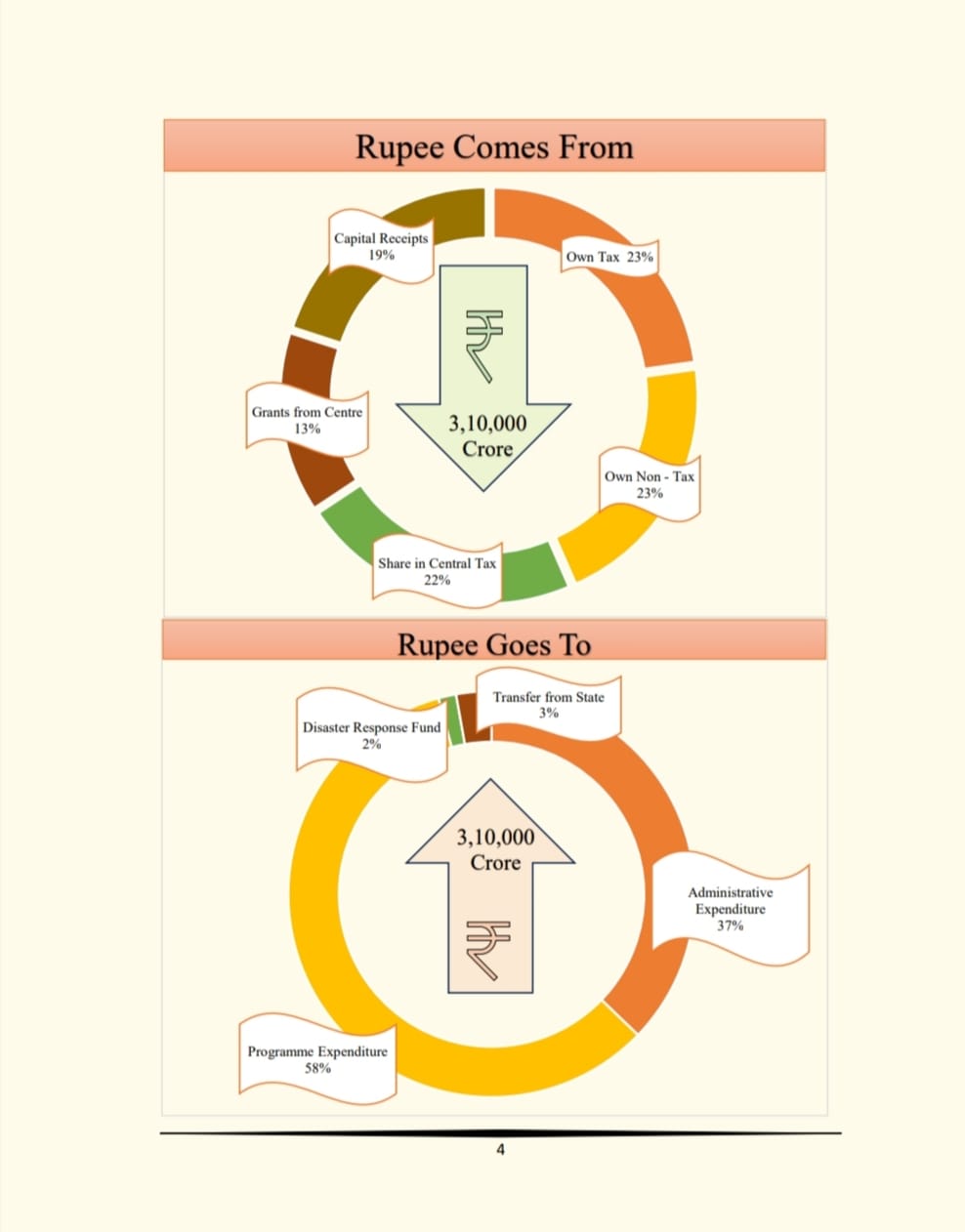
in terms of capital expenditure intensity. Programme spending accounts for more than 58 percent of the
total outlay, signalling a shift toward asset creation and long-term
productivity rather than purely administrative expenditure. Despite the
expansionary stance, fiscal discipline remains intact, with a projected revenue
surplus of 3 percent of GSDP, fiscal deficit at 3.5 percent and debt stock
contained at 14.1 percent, keeping the state fully FRBM-compliant.
A defining feature of the fiscal plan is the strong emphasis on capital
creation. With a capital outlay of ₹72,100 crore — about 6.5
percent of GSDP — Odisha has once again positioned itself among the top states
in terms of capital expenditure intensity. Programme spending accounts for more than 58 percent of the
total outlay, signalling a shift toward asset creation and long-term
productivity rather than purely administrative expenditure. Despite the
expansionary stance, fiscal discipline remains intact, with a projected revenue
surplus of 3 percent of GSDP, fiscal deficit at 3.5 percent and debt stock
contained at 14.1 percent, keeping the state fully FRBM-compliant.
Agriculture and allied sectors continue to dominate the development
narrative with an allocation of ₹42,492 crore, up over 12
percent year-on-year. The government has reinforced paddy procurement through
the Samrudha Krushaka Yojana, ensuring ₹3,100 per quintal for farmers backed by a ₹5,000
crore revolving fund and large-scale godown capacity expansion. Crop
diversification, millet revival under Shree Anna Abhiyan, mechanisation,
horticulture, coffee cultivation in highlands and organic farming initiatives reflect a strategy to move beyond mono-crop
dependency. Fisheries, livestock and dairy sectors have also received
substantial backing, including the ambitious Odisha Shrimp Mission aimed at
boosting exports and farmer incomes.
Water security and irrigation infrastructure form another cornerstone,
with ₹17,855
crore earmarked for flood control, river rejuvenation, canal lining, mega lift
irrigation, drainage modernisation and dam safety. Investments in SCADA-based
gate automation, real-time flood forecasting and in-stream storage structures indicate a technology-driven approach
to climate resilience.
The social sector sees one of the largest expansions, particularly in
health, education and welfare. Public health spending stands at ₹23,182
crore, supporting flagship
schemes such as Gopabandhu Jan Arogya Yojana, free diagnostics, free medicines,
cancer care and expanded ambulance services. Education receives ₹42,565
crore with continued funding for Adarsh Vidyalayas, model schools, heritage
schools and Samagra Shiksha,
alongside new universities, engineering colleges, agriculture and veterinary
institutions to strengthen the state’s knowledge economy.
Women-led development remains central with ₹18,957 crore allocated for
Mission Shakti and related programmes. Subhadra Yojana alone commands over ₹10,000 crore to promote
financial independence and entrepreneurship among women, complemented by
nutrition schemes, maternity support and livelihood missions. Social security
allocations have crossed ₹25,000 crore, with expanded pension coverage under Madhubabu Pension Yojana and targeted
support for elderly, disabled and vulnerable groups.
 Infrastructure development is poised for a major leap. Three new
expressways — the Brahmapur–Jeypore corridor, the east-west NaMo Expressway and
the 969-km Atal Expressway spanning north to south — are expected to reshape
connectivity and logistics. Rural roads, bridges, rail ecosystem strengthening,
air connectivity improvements and ₹1,000 crore for last-mile
habitation connectivity underline
the mobility push. Urban transformation receives over ₹10,700
crore, including e-bus deployment, drainage modernisation, smart city funding
and sanitation drives.
Infrastructure development is poised for a major leap. Three new
expressways — the Brahmapur–Jeypore corridor, the east-west NaMo Expressway and
the 969-km Atal Expressway spanning north to south — are expected to reshape
connectivity and logistics. Rural roads, bridges, rail ecosystem strengthening,
air connectivity improvements and ₹1,000 crore for last-mile
habitation connectivity underline
the mobility push. Urban transformation receives over ₹10,700
crore, including e-bus deployment, drainage modernisation, smart city funding
and sanitation drives.
Industrial growth and future technologies find space through an Odisha AI
Mission, rare earth corridor investment, MSME incentives and industrial
infrastructure maintenance funds. A new Science City in Bhubaneswar and smart
farm markets point toward innovation-led development. Tourism and culture are
being leveraged as economic multipliers with the ₹1,000 crore Jagannath
Interpretation Centre at Puri, a proposed World Tourism Centre, land banks for
tourism infrastructure and enhanced support for handloom and handicrafts.
Housing, drinking water and rural livelihoods also receive substantial
allocations. Jal Jeevan Mission, BASUDHA, PMAY and Antyodaya housing programmes
aim to deepen basic service delivery, while the Viksit Bharat rural livelihood
mission and MGNREGS support focus on employment generation and asset
completion.
Disaster management funding has been enhanced to ₹5,375
crore, reflecting Odisha’s continued prioritisation of climate preparedness.
Investments in police infrastructure, courts, jails and digital crime tracking
systems indicate parallel strengthening of internal security and justice delivery.
Regional equity remains a theme, with dedicated funds for Western,
Northern and Southern Odisha, KBK development and tribal livelihood missions,
ensuring balanced growth across geographies.
Taken together, the Budget 2026–27 presents an expansive, capital-heavy
and welfare-oriented roadmap that seeks to combine infrastructure scale,
agricultural resilience, social protection and technological advancement while
maintaining fiscal prudence. The breadth of allocations—from expressways and
irrigation grids to women’s entrepreneurship and AI — signals Odisha’s attempt
to transition from a resource-driven economy to a diversified, inclusive and
future-ready growth model.