
THEBUSINESSBYTES BUREAU
BALESHWAR, JULY 22, 2026
In a significant boost to Odisha’s rural power infrastructure
and clean energy transition, a 2 MW solar power plant has been successfully integrated
into TP Northern Odisha Distribution Limited (TPNODL)’s distribution network at
the 33/11 kV Primary Substation (PSS) in the Bahalda Section of the Rairangpur
Division in Mayurbhanj district.
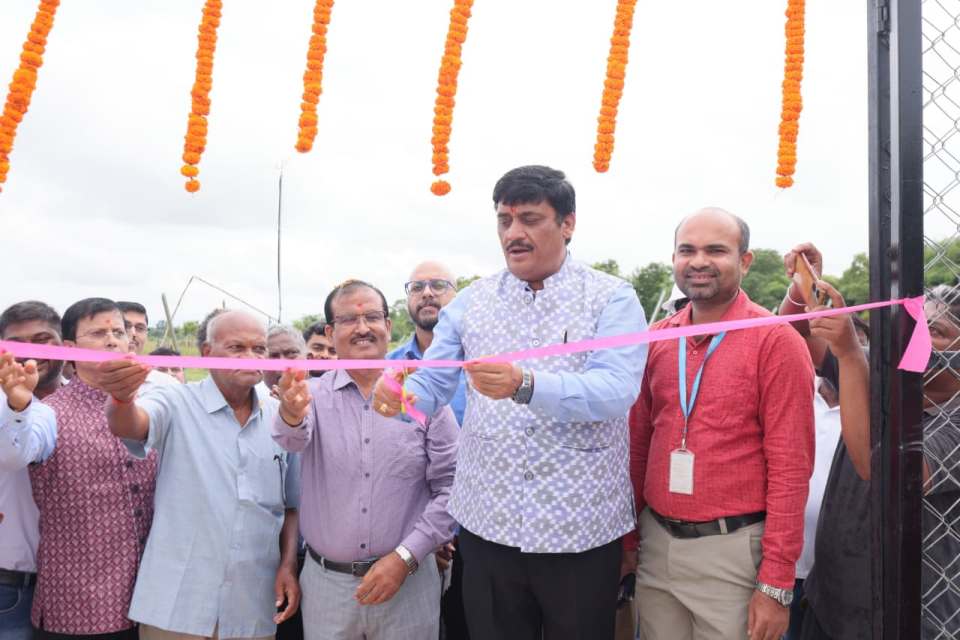
The solar facility was inaugurated by TPNODL Chief Executive
Officer (CEO) Dushyant Kumar Tyagi, in the presence of Krishna Chandra Mandal,
senior TPNODL officials, representatives of M/s Slnko Pvt. Ltd., and other
regional stakeholders.
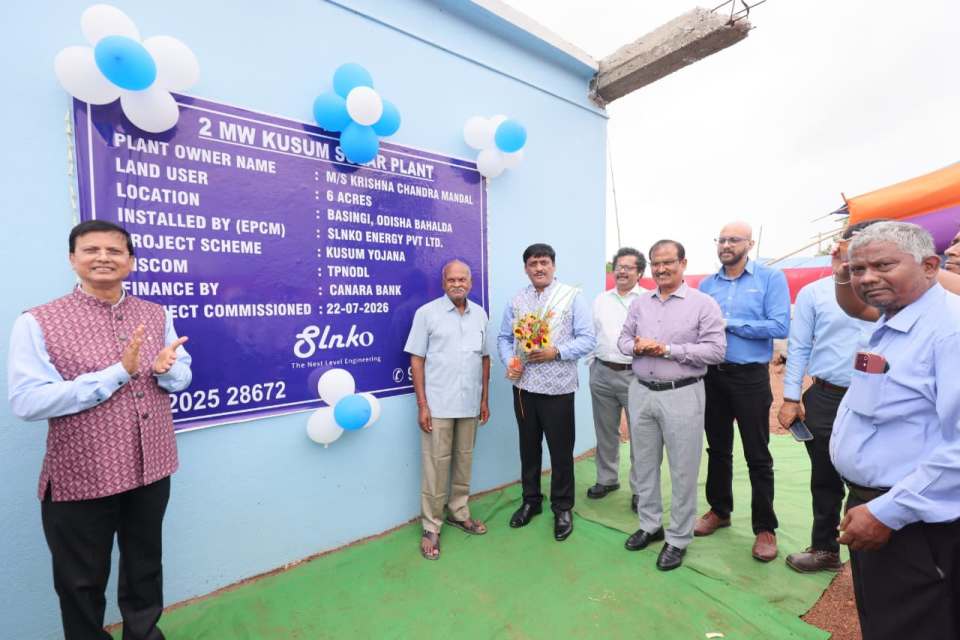 Spread across six acres, the solar plant has been established
under the Government of India’s flagship PM-KUSUM-A Scheme by Krishna Chandra
Mandal, a landowner from Basingi village in Bahalda block of Mayurbhanj
district. The project has been developed on a Build-Own-Operate (BOO) basis by
M/s Slnko Pvt. Ltd.
Spread across six acres, the solar plant has been established
under the Government of India’s flagship PM-KUSUM-A Scheme by Krishna Chandra
Mandal, a landowner from Basingi village in Bahalda block of Mayurbhanj
district. The project has been developed on a Build-Own-Operate (BOO) basis by
M/s Slnko Pvt. Ltd.
Under the scheme, Mandal has entered into a long-term Power
Purchase Agreement (PPA) with GRIDCO and TPNODL. The arrangement provides a
stable, multi-decade revenue stream for his family through the sale of solar
power, transforming him from a traditional farmer into a solar entrepreneur.
The plant is expected to generate around 8,000 units of
electricity per day under optimal conditions. The entire power output will be
injected into the TPNODL network through a dedicated 11 kV line. Located at the
tail end of the distribution feeder, the project is expected to strengthen grid
stability, improve power quality, and benefit nearly 5,000 consumers in the
surrounding areas while advancing Odisha’s clean energy goals.
Expressing his appreciation, Mandal said that the project would
provide his family with sustainable, long-term secondary income while ensuring
reliable power supply to the local community.
In his remarks, TPNODL CEO Dushyant Kumar Tyagi stated that decentralized renewable energy generation remains essential to driving India’s progress toward a resilient and sustainable energy grid. He emphasized that integrating solar capacity directly at the distribution level reduces dependence on conventional energy sources, facilitates clean energy adoption, minimizes transmission losses, and enhances local grid performance. He further noted that such projects offer a scalable blueprint for state-wide clean energy development.
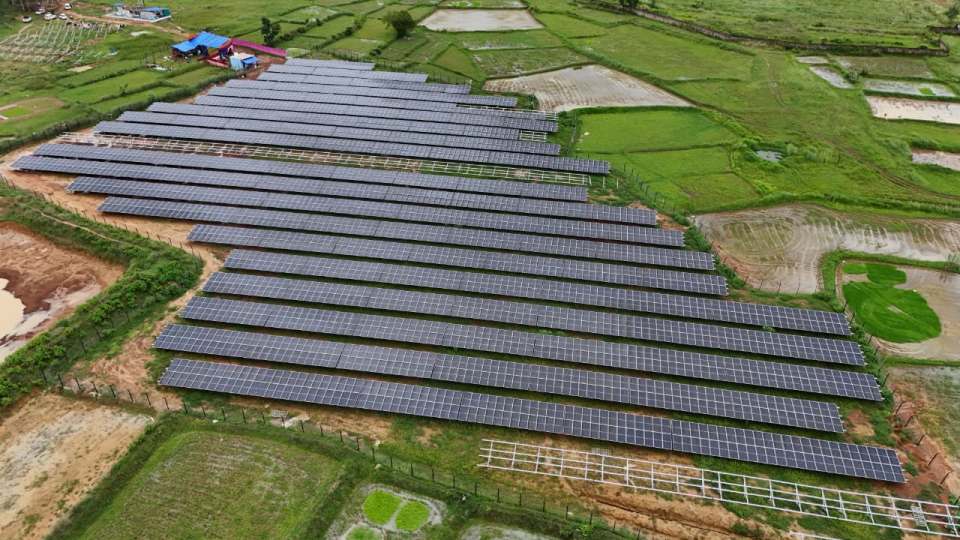 The Pradhan Mantri Kisan Urja Suraksha evam Utthaan
Mahabhiyan (PM-KUSUM)-A Scheme, spearheaded by the Ministry of New and
Renewable Energy (MNRE), enables farmers and landowners to establish
grid-connected solar power plants with capacities ranging from 500 kW to 2 MW
on barren or agricultural land. Besides creating a steady source of long-term
income through power sales to state utilities, the scheme promotes
decentralized generation at the distribution level, reducing transmission
losses, addressing low-voltage issues in remote areas, and improving daytime
power availability for domestic and agricultural consumers.
The Pradhan Mantri Kisan Urja Suraksha evam Utthaan
Mahabhiyan (PM-KUSUM)-A Scheme, spearheaded by the Ministry of New and
Renewable Energy (MNRE), enables farmers and landowners to establish
grid-connected solar power plants with capacities ranging from 500 kW to 2 MW
on barren or agricultural land. Besides creating a steady source of long-term
income through power sales to state utilities, the scheme promotes
decentralized generation at the distribution level, reducing transmission
losses, addressing low-voltage issues in remote areas, and improving daytime
power availability for domestic and agricultural consumers.