THEBUSINESSBYTES
BUREAU
BHUBANESWAR,
OCTOBER 23, 2026
Odisha must sustain
annual economic growth of more than 10 per cent, move beyond raw mineral
extraction to high-value manufacturing and raise merchandise exports nearly
tenfold to USD 100 billion by 2036 to emerge as a developed economy by 2047,
former NITI Aayog vice-chairman Rajiv Kumar said on Friday.
Addressing a
discussion forum on “Developed Odisha: Progress, Potential and the Path Ahead
towards 2047”, organised by the Pahle India Foundation (PIF) here, Kumar called
for structural reforms, export diversification and balanced regional
development to transform the state's resource wealth into sustainable economic
prosperity.
Kumar, who is
chairman of PIF, said Odisha accounts for 44 per cent of India's total mineral
value but needs to move towards capital-intensive, high-value industries such
as green steel, green aluminium, green hydrogen and rare-earth magnets to
unlock its economic potential.
He also stressed the
need to strengthen connectivity between mineral-producing regions and ports to
facilitate industrial expansion, improve logistics and boost exports.
Setting an ambitious
export target, Kumar said Odisha should increase its merchandise exports from
around USD 11 billion at present to USD 100 billion by 2036. However, the
state's export base remains heavily concentrated, with eight districts
accounting for 83 per cent of merchandise exports, leaving considerable scope
to bring the remaining districts into the global trade network.
Calling for focused
interventions in the 15 districts lagging in exports, he proposed a
district-level strategy under which each district identifies a product under
the 'One District, One Product' initiative, secures a global lead buyer,
establishes a partner processing centre and develops road or rail connectivity
to a port.
Such an approach
could help integrate local economies into global value chains while generating
employment and reducing regional disparities, he said.
Kumar also
highlighted Odisha's demographic dividend, which he said would remain available
until 2036, and called for aligning skill development with the requirements of
industries expected to expand in the state.
If Odisha manages to
sustain annual growth of more than 10 per cent, its per capita income could
reach around USD 18,000 by 2047, placing it above the World Bank's threshold
for a high-income economy, he said.
He underscored the
importance of developing globally competitive industrial hubs, expanding
high-value mineral-based industries and establishing green metal production
facilities to strengthen the state's long-term growth prospects.
Chief Secretary Anu
Garg, who attended the event as the chief guest, said the state government had
prepared a vision document targeting a USD 500-billion economy by 2036 and a
USD 1.5-trillion economy by 2047, in alignment with the national ambition of
Viksit Bharat 2047.
She identified the
EDGE framework — Economic Strength, Demography, Geography and Ecosystem — as a
key pillar of Odisha's development strategy.
On economic strength,
Garg emphasised the efficient utilisation of mineral resources, fiscal
discipline, improved revenue mobilisation, protection of water resources and
greater capital inflows through investments.
Highlighting the
state's demographic potential, she said educational institutions and World
Skill Centres would play a crucial role in equipping young people with skills
suited to emerging employment opportunities and changing industrial
requirements.
Garg also called for
the sustainable use of iron ore and other mineral resources, while identifying
the blue economy, deep-sea fishing and marine-based activities as promising
avenues for growth, investment and employment.
Improving the ease of
doing business and creating a conducive environment for investment and
industrial development would be essential to achieving the state's economic
ambitions, she said.
The state government
was according priority to emerging sectors such as information technology,
semiconductors, data centres, education and healthcare, Garg said, adding that
tourism and agriculture would also contribute significantly to economic
expansion.
Odisha's long
coastline and marine resources offered considerable opportunities for
investment and job creation, she said.
Emphasising that
development must extend beyond economic expansion, Garg identified prosperity,
health and equity as essential pillars for improving living standards,
strengthening social welfare and ensuring inclusive growth.
Expressing confidence
in the state's capabilities, she said achieving the vision of Developed Odisha
2036 would also contribute to India's broader goal of becoming a developed
nation by 2047.
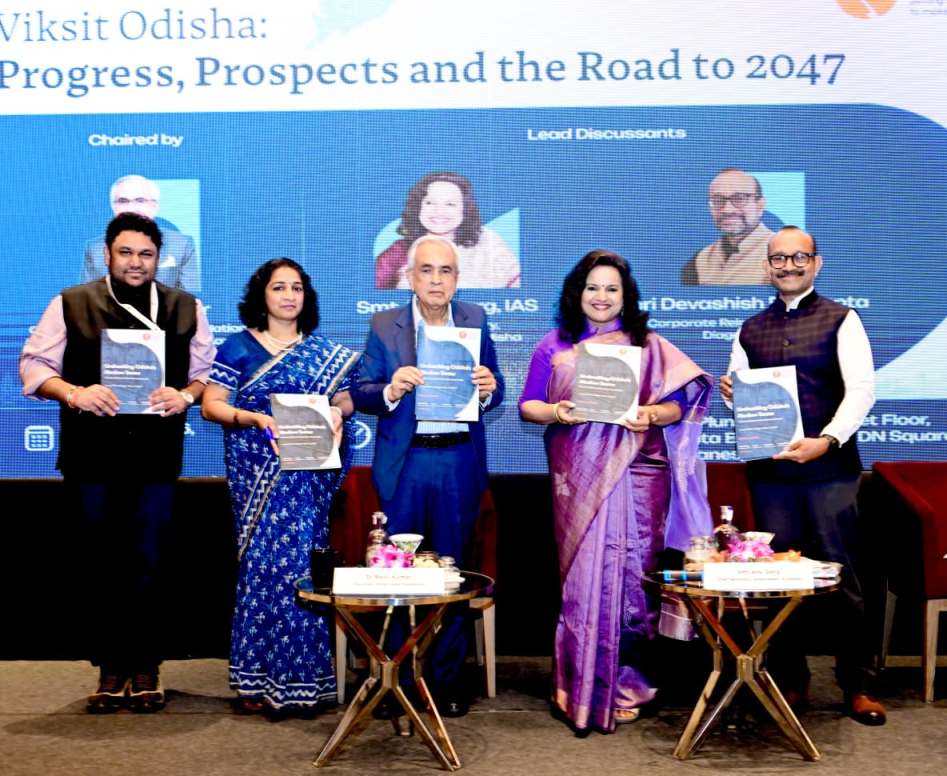
A report prepared by PIF in collaboration with Diageo India was released at the forum. The study highlighted the importance of integrating local supply chains to ensure that industrial growth generates wider economic benefits. It also called for a predictable regulatory framework and stronger collaboration between the government and industry.
PIF Chief Project Officer Abhishek Jha, along with Jalaja Menon and Debashish Dasgupta of Diageo India, attended the programme and made presentations on the themes discussed at the forum.