THEBUSINESSBYTES
BUREAU
BHUBANESWAR,
OCTOBER 24, 2026
Strategic public
communication and targeted behaviour-change initiatives are crucial to
accelerating the shift towards sustainable mass transit, Press Information
Bureau (PIB) Additional Director General Akhil Mishra said while chairing a
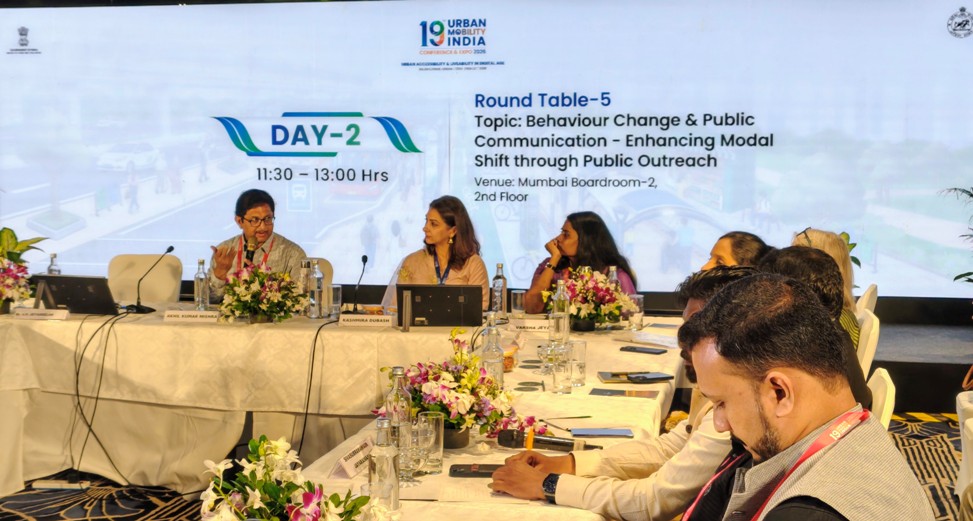
roundtable on “Behaviour Change and Public Communication” at the 19th Urban
Mobility India (UMI) Conference 2026 here on Saturday.
Mishra emphasised
that effective communication must go beyond the dissemination of information to
actively influence public attitudes and encourage greater adoption of
sustainable transport systems. He called for inclusive, citizen-centric
communication strategies to bridge the gap between urban mobility services and
the people they are intended to serve.
Highlighting a
persistent administrative challenge, Mishra drew attention to the prevalence of
“information shadows” in modern cities, where large sections of the population
remain deprived of timely and accessible transit information despite the
growing use of sophisticated digital platforms.
 He noted that
residents of informal settlements, slums and underdeveloped peripheral areas
are particularly vulnerable to such information gaps, which can limit their
access to public transport services and undermine efforts to promote
sustainable urban mobility.
Mishra urged urban
local bodies and transport authorities to adopt tailored, hyperlocal and
inclusive outreach strategies to ensure that mobility-related information
reaches every section of society. He stressed the need to move beyond
technology-driven communication models and develop approaches that address the
diverse needs and circumstances of urban commuters.
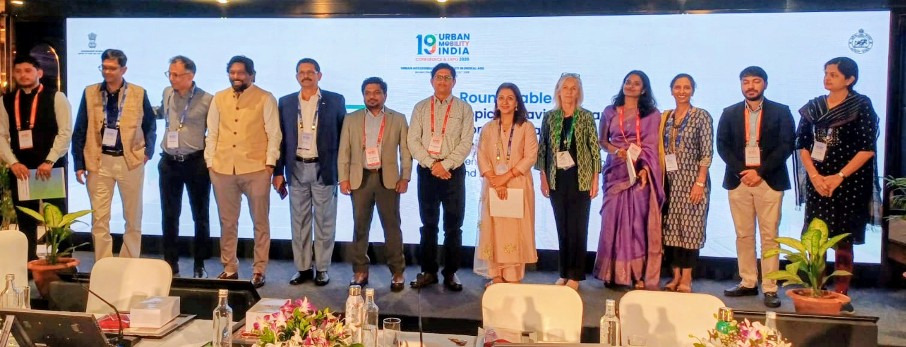
The roundtable
brought together sector leaders, transportation experts, policymakers and
administrators to deliberate on the role of public communication in shaping
travel behaviour and promoting sustainable mobility practices.
The session was moderated by Kashmira Dubash, Deputy Director at the Institute for Transportation and Development Policy (ITDP). The panel comprised Dr V.P. Jeyaseelan, Sivasubramaniam Jayaraman, Cornelia Stolzenberg, Head of Project, EASE, GIZ; Anuj Dayal, Principal Executive Director, Delhi Metro Rail Corporation (DMRC); Harpreet Bagga, Co-CEO, Purpose; Abhijit Lokre, Kumar Manish and Asish Kumar Patra.
The discussions underscored the importance of coordinated communication efforts, community-level engagement and accessible information systems in building public trust and encouraging a behavioural shift towards mass transit. The deliberations also highlighted the need to make sustainable mobility communication more inclusive so that the benefits of improved urban transport systems reach all sections of the population.