
THEBUSINESSBYTES BUREAU
BHUBANESWAR, OCTOBER 7, 2026
Odisha government on
Wednesday stepped up its preparedness to deal with chemical disasters, with
Chief Secretary Anu Garg stressing the need for advance risk identification,
regular mock drills and strict safety audits to safeguard lives and property
while sustaining industrial growth.
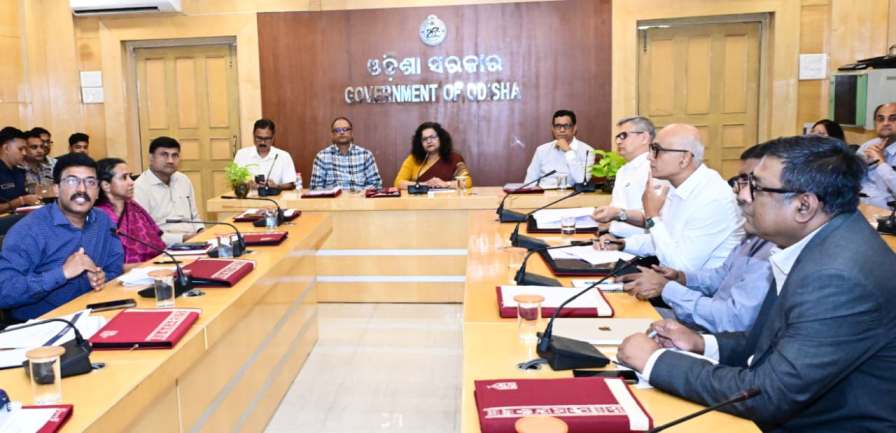
Garg chaired a
high-level meeting of the State Crisis Group at Lok Seva Bhawan, where
officials reviewed measures for prevention, preparedness, rapid response and
post-accident management of chemical disasters across the state.
Emphasising that
public safety must remain a top priority, Garg called for potential risks to be
identified well in advance and for regular mock drills, safety audits and
data-driven assessments to be undertaken at both district and local levels.
Development
Commissioner and Additional Chief Secretary Deoranjan Kumar Singh stressed the
need to bring departmental and district-level preparedness under a unified
framework. He also called for GIS-based mapping and periodic reviews of
off-site emergency plans, particularly in relation to chemical transportation
routes.
Director General of
Fire Services Dr Sudhanshu Sarangi underlined the importance of trained
manpower, specialised emergency vehicles and coordinated exercises involving
various emergency response agencies to ensure an effective response during
chemical accidents.
Director General of
Police Vinaytosh Mishra and secretaries of key departments, including Health,
Commerce and Transport, Environment and Labour, also participated in the
meeting. Discussions focused on strengthening medical preparedness, maintaining
robust databases and enhancing the capabilities of emergency control rooms.
The meeting directed
all concerned departments and industrial authorities to strictly adhere to
prescribed safety guidelines and implement precautionary protocols within a stipulated
timeframe.
The measures are
aimed at strengthening Odisha's institutional capacity to prevent chemical
accidents, ensure faster and coordinated emergency response and minimise the
impact of such incidents on human lives and property.