
In
Public Relations, it is not just what you communicate, but how you make people
feel, that truly defines your success, writes Priyabrat Biswal
“Hello!” said a
personnel from the corporate communication department of a reputed company
operating in Odisha.
“Hello, Sir.
Namaste,” I replied.
What followed was not
a routine professional exchange but an unexpected confrontation. “How could you
write a story that goes against our company without our ‘CONSENT’ when you took
benefit from us through advertisement?” he asked, visibly upset. The story he
referred to had been published ten days earlier — fact-based, documented, and
filed as spot news. I tried to explain that if there were objections, the
appropriate course would have been to present their version at the time. But
the conversation quickly turned one-sided. After nearly nine minutes of
unrestrained anger, the call ended abruptly.
That moment lingered.
Not because disagreements are unusual in the media-corporate interface, but
because of the manner in which it unfolded. Professional differences are
inevitable; discourtesy is not. The incident resurfaced in my mind as India celebrates
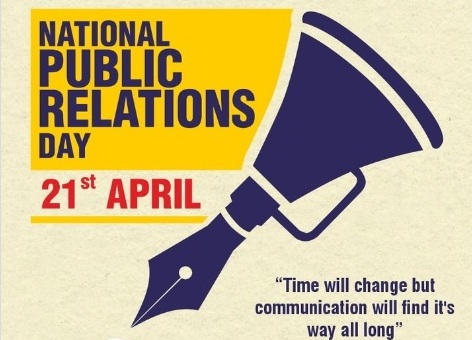
National Public Relations Day today (April 21) — a day meant to celebrate the
very profession that builds bridges, not burns them.
Public Relations,
particularly in the Indian corporate ecosystem, is far more than a function of
issuing press releases or managing events. PR professionals are, in many ways,
the living, breathing identity of the organisations they represent. They are
the first point of contact, the voice of reason in times of crisis, and often
the unseen architects of trust. In an age where perception can shape reality,
their role has never been more critical.
Yet, as with any profession,
PR is not a monolith. Experiences vary widely. For every unpleasant encounter,
there are others that restore faith in the power of empathy and
professionalism. Just last week, I met the Corporate Communications head of a
multinational company. What I had expected to be a brief interaction of five to
ten minutes turned into an engaging conversation that lasted nearly an hour.
Her warmth, attentiveness, and respect for dialogue made the meeting not just
productive, but memorable — an experience I will cherish for a long time.
These contrasting
experiences underline an essential truth: all PR professionals are not cut from
the same cloth. While many evolve with their roles and responsibilities, there
are also thorough gentlemen who, even after rising to higher and more powerful
positions, remain grounded — continuing to extend the same warmth, respect, and
courtesy in their interactions.
 In the Indian context
— where relationships often matter as much as results — the approach and
behaviour of PR professionals assume even greater significance. Corporate
houses today operate under intense public scrutiny. Every statement, every
response, and every silence is interpreted. In such a landscape, PR
professionals are not merely intermediaries; they are custodians of
credibility.
In the Indian context
— where relationships often matter as much as results — the approach and
behaviour of PR professionals assume even greater significance. Corporate
houses today operate under intense public scrutiny. Every statement, every
response, and every silence is interpreted. In such a landscape, PR
professionals are not merely intermediaries; they are custodians of
credibility.
What, then, should
define the ideal approach of a PR professional?
First, respect for
dialogue. Media and PR share a symbiotic relationship. While companies rely on
the media for visibility, journalists depend on PR for access and information.
This relationship must be rooted in mutual respect, not transactional
expectations. Advertisements cannot — and should not — be seen as instruments
to influence editorial independence.
Second,
responsiveness with responsibility. Disagreements over coverage are natural,
but they must be addressed constructively. A calm clarification or a
well-articulated rebuttal can achieve far more than an emotional outburst. The
ability to listen is as important as the ability to speak.
Third, consistency in
conduct. Professional courtesy should not fluctuate with hierarchy. Whether
dealing with a junior reporter or a senior editor, the tone must remain
dignified. Respect is remembered far longer than authority.
Fourth, empathy.
Behind every email, call, or meeting is a human being. Understanding this
simple truth can transform interactions. The PR professional who values
relationships over immediate outcomes ultimately builds stronger, more enduring
networks.
Ironically, some of
those who have been dismissive or rude in the past often reach out later — sometimes
even at odd hours — seeking support in getting stories published or withdrawn.
Such moments reveal the paradox of the profession: influence cannot substitute
for goodwill.
With National Public
Relations Day being celebrated today, it is a fitting moment for introspection.
The profession stands at the intersection of communication and conscience. Its
practitioners have the power not just to shape narratives, but to define the
ethics of engagement.
To the many PR professionals who quietly uphold these values — who listen patiently, respond thoughtfully, and treat every interaction with dignity — this day belongs to you. You are the unsung brand ambassadors, the invisible threads that hold together the fabric of corporate reputation.
And to those still finding their way, perhaps the message is simple: in Public Relations, it is not just what you communicate, but how you make people feel, that truly defines your success.
(The views expressed in this article are those of the author and do not necessarily reflect the views of the website or its management.)