THEBUSINESSBYTES BUREAU
BHUBANESWAR, AUGUST 14, 2026
A dazzling celebration of India’s rich handloom heritage,
craftsmanship and textile traditions began here on Friday with the opening of
the “Silk India – Wedding Collection”, bringing together an exquisite array of
pure silk and cotton weaves from across the country under one roof ahead of the
festive and wedding season.
Organised by the Orissa Art and Craft Samiti, the
exhibition-cum-sale features artisans and weavers from 14 handloom-producing
states, offering visitors a rare opportunity to explore and purchase an
extensive range of traditional textiles, contemporary designs and handcrafted
products directly from the makers.
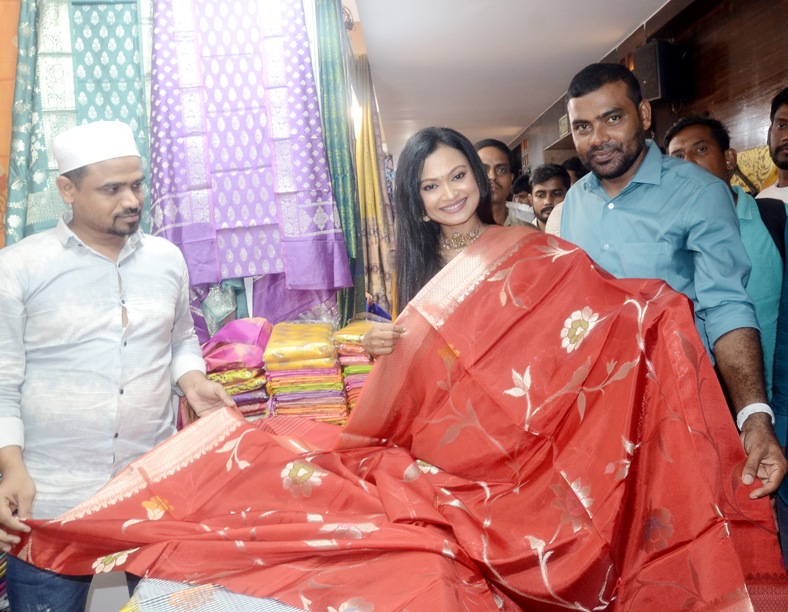
The exhibition, being held from August 14 to 24, from 10.30
am to 8.30 pm at Hotel Prachi, Janpath, opposite Ram Mandir, Bhubaneswar, was
inaugurated by Odia actress Jaya Biswas.
The event showcases the extraordinary diversity of India's
handloom traditions, with more than 50,000 varieties of products displayed by
artisans from states including Assam, Rajasthan, Andhra Pradesh, Karnataka,
Bihar, Odisha, Chhattisgarh, Gujarat, Jammu and Kashmir, West Bengal and
others. Several designers from metropolitan cities are also participating in
the exhibition in collaboration with traditional weavers.
From the timeless elegance of Banarasi, Uppada, Gadwal,
Dharmavaram and Sambalpuri sarees to Jamdani, Jamawar, Pochampally, Kalamkari,
Patola, Paithani and Baluchari creations, the exhibition presents a
kaleidoscope of India's colours, cultures and craftsmanship.
The collection also includes silk and cotton sarees, dress
materials, suit materials, fashion jewellery, designer garments and home
furnishings, making the exhibition particularly attractive for shoppers
preparing for the upcoming festive and wedding season.
Speaking on the occasion, organiser Manas Acharya said the
central social objective of the exhibition was to promote India's weavers and
strengthen the market for the handloom industry by providing artisans direct
access to consumers.
“Through these
exhibitions, we have been able to create a good market for weavers and their
handloom products, even in places where such exhibitions are otherwise not
feasible,” Acharya said, adding that the initiative seeks to bring pure silk
and cotton products directly from weavers to customers without the intervention
of middlemen.
The exhibition offers products across a wide price spectrum,
ranging from around Rs 500 to Rs 1.5 lakh for exclusive handcrafted pieces,
catering to both everyday buyers and connoisseurs looking for premium
traditional textiles.
Among the attractions are Muga silk from Assam, Coimbatore
and Bangalore silks, crepe and georgette sarees, raw silk, Kalamkari,
Pochampally, Mangalagiri, Uppada, Gadwal and Dharmavaram textiles, along with
pure silk zari sarees and Organza silk from Andhra Pradesh.
Bihar's traditional offerings include Tussar, Kantha,
Bhagalpur silk, block-printed textiles, Khadi silk and cotton, while
Chhattisgarh has brought Kosa and Ghicha silk, Mulberry raw silk and
block-printed silk sarees.
Gujarat's vibrant traditions are represented through
Bandhani, Patola, Kutch embroidery, Gujarati mirror work and designer kurtis,
while Jammu and Kashmir offers Tabbi silk sarees, Pashmina shawls and Chinan
silk sarees.
Odisha's own handloom legacy takes centre stage with Bomkai
and Sambalpuri creations.
Rajasthan's display includes Bandhej and Bandhani silk
sarees, Jaipur kurtis, block and Sanganeri prints, Kota Doria, Jaipuri quilts
and bedsheets.
The Uttar Pradesh section features Tanchoi, Banarasi,
Jamdani, Jamawar, brocade dress materials and Lucknowi Chikankari, while West
Bengal showcases Santiniketan-inspired products, Kantha sarees, Baluchari,
Neemzari, printed sarees and Dhakai Jamdani. Maharashtra is represented by its
famed Zari Paithani sarees.
Traditional crafts beyond textiles are also drawing attention, with Dokra tribal jewellery and Channapatna toys adding to the exhibition's appeal.
The Orissa Art and Craft Samiti, founded by a group of artisans, designers, social activists, academics and environmentalists, seeks to preserve and promote India's exquisite traditional skills while encouraging weavers and craftspeople to make their creations contemporary, economically viable and relevant to changing consumer preferences.