THEBUSINESSBYTES
BUREAU
BHUBANESWAR, AUGUST 8, 2026
In a significant push towards accelerating Odisha’s clean
energy transition and expanding the reach of rooftop solar power, TP Central
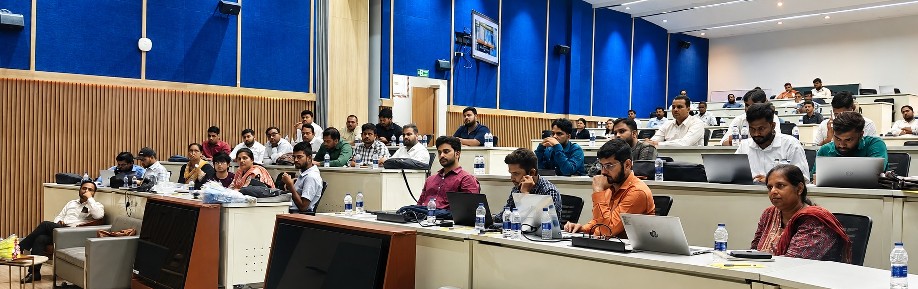
Odisha Distribution Limited (TPCODL) organised a Vendors’ Meet to strengthen
the implementation of the Government of India’s flagship **PM Surya Ghar: Muft
Bijli Yojana** across its operational areas. The programme, organised through
TPCODL’s Renewable Energy (RE) Cell under the aegis of REC, brought together
nearly 300 empanelled vendors at the TPCODL Management Development Centre in
Bhubaneswar, marking a renewed effort to build stronger coordination, address
field-level challenges and ensure the smooth, safe and high-quality execution
of rooftop solar projects.
The meet served as an important platform for TPCODL and its
empanelled vendors to deliberate on the practical challenges involved in the
large-scale deployment of rooftop solar systems and explore actionable
solutions for faster and more efficient implementation of the scheme. Of the
nearly 300 vendors who participated in the programme, 190 joined the
discussions virtually, reflecting the growing scale and importance of
stakeholder engagement in driving rooftop solar adoption.
The discussions focused extensively on streamlining
installation processes, resolving field-level operational challenges,
maintaining stringent quality standards and ensuring timely execution of
projects. The interaction also provided an opportunity for vendors and TPCODL
officials to exchange views on improving coordination at various stages of
installation and strengthening the overall consumer experience under the PM
Surya Ghar: Muft Bijli Yojana.
With the monsoon season underway, TPCODL placed particular
emphasis on safety, underscoring the need for strict adherence to prescribed
safety protocols and safe installation practices. The company highlighted that
ensuring the well-being of workers as well as consumers must remain a key
priority while carrying out rooftop solar installations, particularly during
challenging weather conditions.
During the programme, TPCODL officials highlighted the
critical role of quality, safety and timely execution in supporting the
Government of India’s vision of expanding clean energy adoption. Vendors were
also briefed about TPCODL’s ongoing awareness and outreach initiatives aimed at
encouraging greater consumer participation in the PM Surya Ghar: Muft Bijli
Yojana and enabling more households to benefit from rooftop solar power.
The event also witnessed detailed interactions between
TPCODL’s Chief Commercial Services, officials from REC, members of the TPCODL
RE Cell and other senior executives. The officials engaged directly with the
participating vendors to understand ground-level concerns, discuss operational
bottlenecks and identify actionable measures that could further strengthen the
implementation of rooftop solar projects across TPCODL’s operational areas.
Speaking on the occasion, TPCODL CEO Gajanan S. Kale said, “The PM Surya Ghar: Muft Bijli Yojana is a transformative initiative that is accelerating the adoption of clean energy while empowering consumers to become energy producers. Our empanelled vendors are important partners in this journey and their focus on quality, safety and timely execution will be critical to achieving the scheme’s objectives. Through continuous engagement and collaboration, TPCODL remains committed to addressing field challenges, delivering a seamless rooftop solar experience and supporting the Government of India’s vision of a sustainable and energy-secure future.”
The Vendors’ Meet concluded with a shared commitment among TPCODL and its empanelled vendors to further strengthen coordination, resolve field-level challenges and ensure safe, efficient and high-quality rooftop solar installations. The company reiterated its focus on accelerating installations towards its ambitious target of 3 lakh rooftop solar installations, reinforcing its commitment to expanding clean energy adoption and contributing significantly to Odisha’s transition towards a more sustainable and energy-secure future.