THEBUSINESSBYTES
BUREAU
NEW
DELHI, SEPTEMBER 2, 2026
As India’s
manufacturing sector accelerates its digital transformation, Vedanta Aluminium,
India’s largest aluminium producer, is leveraging Artificial Intelligence (AI),
the Industrial Internet of Things (IIoT), advanced analytics and intelligent
safety systems to build safer, smarter and more resilient operations. By
integrating these technologies across its plants, the company is enhancing
real-time visibility, strengthening decision-making and driving operational excellence
across its integrated value chain.
With manufacturers
under growing pressure to improve competitiveness, efficiency and resilience,
digital technologies are increasingly becoming central to how modern plants are
operated and managed. From predictive insights and connected assets to
intelligent safety systems and real-time monitoring, these solutions are
enabling industries to identify risks earlier, optimise resources and respond
faster to operational challenges. At Vedanta Aluminium, this digital-first
approach is translating into tangible improvements across logistics,
production, asset management and workplace safety.
At BALCO, the
company’s iconic smelter in Korba, Chhattisgarh, AI-powered technologies are
bringing greater intelligence and oversight to its logistics ecosystem. Four
AI-enabled Control Towers integrate GPS, IoT-based vehicle tracking, video
telematics, geo-fencing and real-time analytics to monitor coal logistics,
finished-goods deliveries and ash management. By consolidating critical
operational data, these systems enable enhanced visibility, more effective
fleet management and faster intervention when required.
At Lanjigarh, digital
innovation is being deployed to strengthen safety culture and workforce
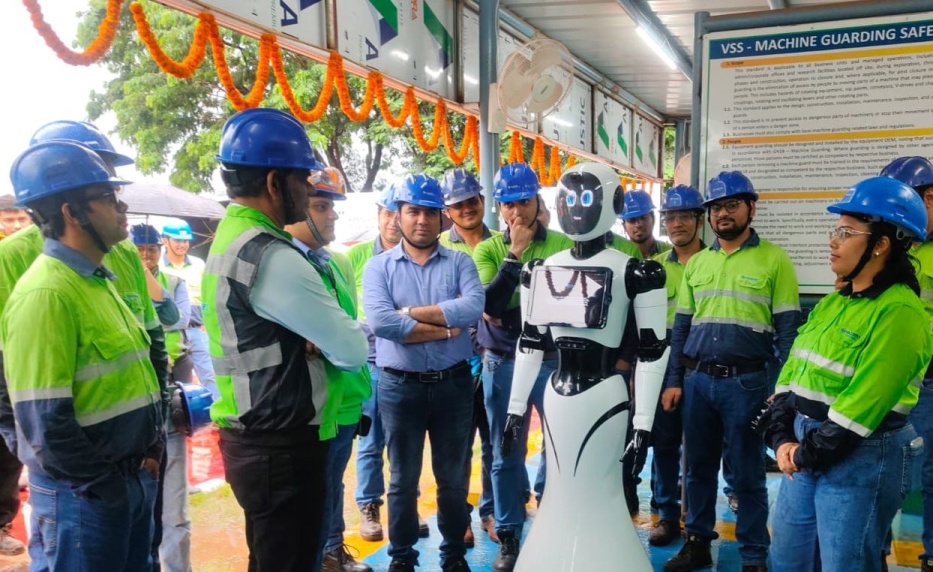
preparedness. The refinery has introduced ‘Aluminati’, an AI-powered robot
designed to make safety learning more interactive, accessible and engaging.
Through real-time guidance, multilingual support and digital learning
capabilities, Aluminati is helping employees access safety information in a
more intuitive manner. Complementing this initiative, the Heavy Motor Vehicle
(HMV) Driver Simulator Training programme provides drivers with a realistic,
risk-free environment to strengthen hazard perception, emergency-response
capabilities and safe-driving practices.
Rajesh Kumar, CEO,
Vedanta Aluminium, said: “Technology is increasingly becoming an integral part
of how modern industries approach safety, operational excellence and
productivity. Our focus is not simply on adopting new technologies, but on
applying them to solve real operational challenges. The initiatives undertaken
across our plants are creating connected and data-driven operations that enable
our teams to anticipate risks, make faster decisions and operate more
efficiently. This tech-led transformation is aligned with India’s goal of
building globally competitive, resilient and future-ready manufacturing
capabilities.”
At Jharsuguda,
digital technologies are transforming the management of manufacturing
operations. By embedding AI, machine learning, advanced sensors, digital twins
and asset-health analytics into critical processes, the smelter is enabling
real-time visibility across its operations. The shift from periodic inspections
to continuous monitoring and predictive insights is helping improve process
reliability, optimise resource utilisation and support faster, more informed
decision-making.
Together, these initiatives underscore Vedanta Aluminium’s focus on using technology not merely as a digital upgrade, but as a strategic enabler of safer, more efficient and resilient manufacturing. By combining AI-driven intelligence with connected systems and real-time data, the company is strengthening operational visibility and enabling teams to anticipate risks, improve asset performance and respond more effectively to evolving business needs.
As India advances its ambition to build globally competitive and future-ready manufacturing capabilities, Vedanta Aluminium’s technology-led initiatives reflect the growing role of digital innovation in reshaping industrial operations and driving the next generation of manufacturing excellence.