
THEBUSINESSBYTES
BUREAU
BHUBANESWAR,
JUNE 11, 2026
In the remote
villages of Odisha, dusk often arrives with a sense of uncertainty. As daylight
fades, daily activities begin to slow — not by choice, but by necessity.
Children put away their books earlier than they would like, women rush to finish
household chores, and roads disappear into long stretches of darkness that can
be difficult and, at times, unsafe to navigate.
While electricity has
reached many rural areas, reliable power remains a challenge. Frequent outages
and inconsistent supply continue to affect everyday life. What appears as
electrification on paper often translates into uncertainty on the ground.
If electricity shapes
the evening, access to water determines the course of the day.
Across several rural
pockets of Odisha, safe drinking water remains a persistent concern. During the
peak summer months, traditional water sources often dry up, forcing families to
travel long distances in search of water. For many households, multiple trips
each day remain a necessity, consuming valuable time and energy.
The burden falls
disproportionately on women, for whom water collection is not a one-time task
but a recurring responsibility. The physical effort involved, coupled with the
time required, often limits opportunities for other productive activities. It
is in this context that the connection between energy and water becomes
particularly significant.
 Reliable electricity
is the backbone of essential services, including water supply systems. In areas
where power disruptions are common, pumps frequently fail, resulting in erratic
water availability. Infrastructure may exist, but without dependable
electricity, its effectiveness remains limited.
Reliable electricity
is the backbone of essential services, including water supply systems. In areas
where power disruptions are common, pumps frequently fail, resulting in erratic
water availability. Infrastructure may exist, but without dependable
electricity, its effectiveness remains limited.
This is where
decentralized renewable energy solutions can make a meaningful difference.
Solar energy offers a
reliable alternative in regions where conventional power supply is
inconsistent. By generating electricity at the point of use, solar-powered
systems help ensure uninterrupted access to essential services.
Recognizing this
need, Vedanta Aluminium has undertaken a series of decentralized solar
interventions across the districts of Kalahandi, Rayagada, Sundargarh,
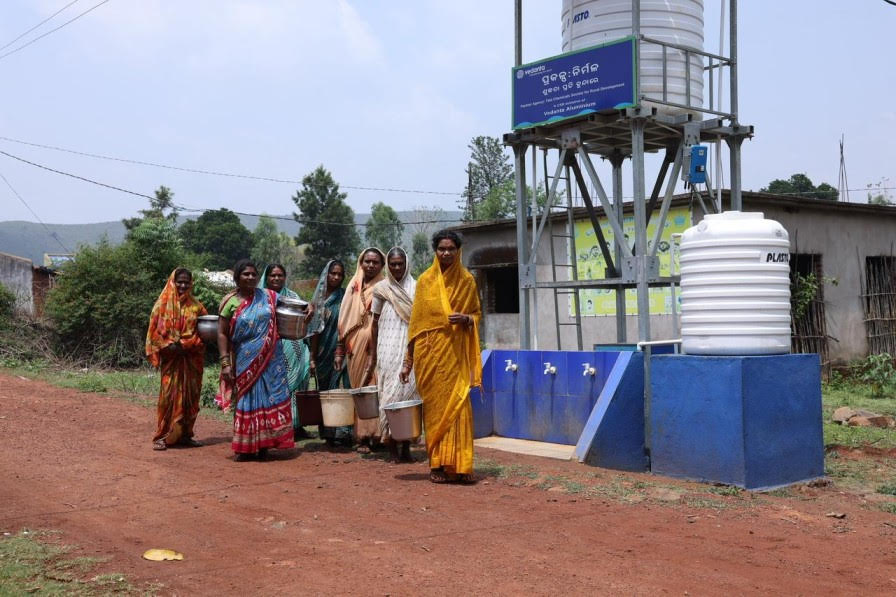
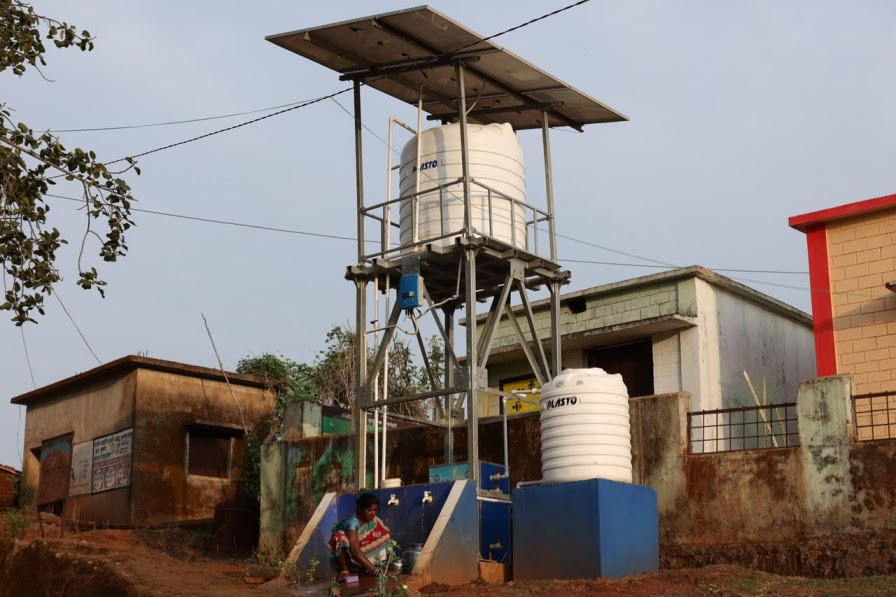
Jharsuguda and Koraput. The company has installed more than 700 solar-powered
streetlights and over 25 solar-powered borewells, benefiting more than 20,000
people by improving access to lighting and safe drinking water in remote
communities.
These initiatives
form part of the company’s broader sustainability strategy, which seeks to
integrate clean energy solutions into both its operations and community
development programmes. In regions where conventional infrastructure often
struggles to deliver consistent services, such interventions offer practical
and dependable solutions.
Though modest in
scale, these installations have created a visible impact — illuminating village
streets and public spaces while ensuring access to water without dependence on
an unreliable grid.
Sharing the
community’s experience, Gunasingh Majhi, Sarpanch of Sunger Gram Panchayat in
Rayagada district, said: "For years, our villages struggled with safe
drinking water and basic lighting. Women had to walk long distances for water,
and after sunset, movement became unsafe. Today, with solar borewells and
streetlights, daily life has changed. Water is available closer to our homes,
and the streets remain lit at night. It has improved safety and brought real
relief to our community."
Lighting does more
than illuminate pathways—it transforms how public spaces are used, extends
productive hours, and enhances the sense of security within a community.
If lighting
influences mobility and safety, access to water shapes the quality of daily
life.
In many villages, the
day begins and ends with the search for water. Early morning walks, repeated
trips and physical strain are realities that often go unnoticed, yet they
define daily routines, particularly for women and girls.
Solar-powered
borewells address this challenge at its source. By eliminating dependence on
erratic electricity supply, these systems ensure a more reliable and continuous
source of safe drinking water within the village itself.
For women, the impact
is immediate and transformative.
Pushpanjali Nath of
Siriapali village explains: "We used to walk long distances to fetch
water, sometimes several times a day. It would take hours. Now the water is
available here. That effort is gone, and we can use that time for other
work."
Beyond reducing the
time and effort required to collect water, the intervention has also brought
greater confidence regarding water quality and family health.
Another resident
notes: "Earlier, we were never sure if the water we collected was clean,
and our children frequently fell ill. Now, with water available closer to home,
we feel more secure about its quality. That constant worry has reduced."
For children, the
benefits often appear in subtle but meaningful ways.
Nandini Bag, a
student of Khairkuni Anchalik High School under Kudaloi Gram Panchayat, shares:
"I used to hurry back home before it got dark because the roads were
poorly lit and felt unsafe. Now, with the streetlights, we can walk back without
fear. I can also spend more time studying in the evening."
Such changes may seem
small individually, but together they influence education, mobility and
confidence, particularly among young people.
The impact of these
interventions is not defined by dramatic transformation, but by a series of
everyday improvements. They reduce effort, save time, improve access to
essential services and make daily routines less uncertain.
Across rural Odisha, Vedanta Aluminium’s solar-powered lighting and water initiatives demonstrate how clean energy can address fundamental development challenges at the grassroots level. By combining renewable energy with community-focused infrastructure, the company is contributing to long-term improvements in safety, health and quality of life.
Ultimately, the true measure of development lies not merely in creating infrastructure, but in ensuring that it works reliably for the people who depend on it every day. Through these solar interventions, villages across Odisha are experiencing exactly that — practical solutions that bring lasting benefits where they are needed most.