THEBUSINESSBYTES
BUREAU
ROURKELA,
APRIL 27, 2026
For
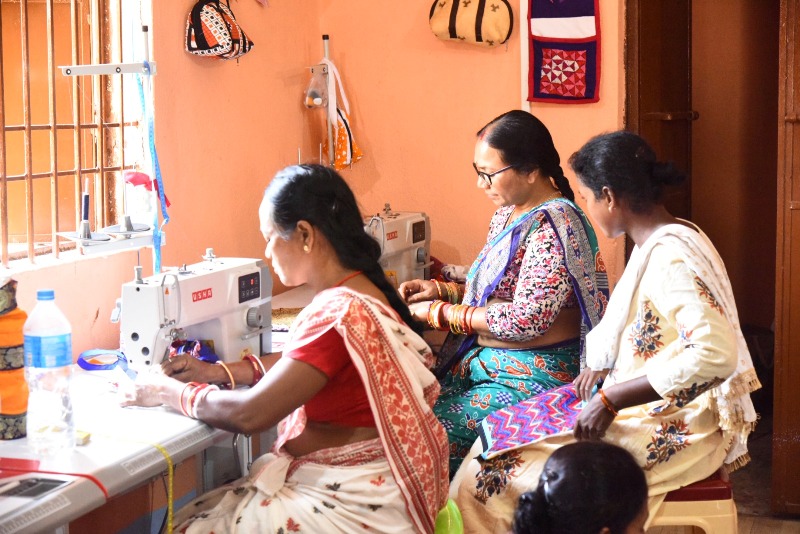
Elani Kandulna, the hum of a sewing machine is the sound of freedom. Living in
a village on the outskirts of Bondamunda near Rourkela, her life was once
marked by financial dependence and limited opportunities. Today, that story has
changed dramatically.
“The sewing training has made me self-reliant
and empowered,” says Elani, her voice brimming with confidence. “I no longer
have to depend on my family for my personal expenses. I now feel proud to earn
on my own.”
Elani
is among the many women whose lives have been transformed through the Corporate
Social Responsibility (CSR) initiatives of the Steel Authority of India Limited
(SAIL), Rourkela Steel Plant (RSP). What began as a skill-development programme
has evolved into a powerful movement of empowerment, dignity and economic
independence.
For
women like Debati Mahato from the same village, the initiative offered far more
than vocational training—it opened the door to entrepreneurship. Conducted at
the Institute of Peripheral Development with support from UHA Silai, the
intensive 15-day programme covered every aspect of garment making. Participants
received hands-on training in precise measurement, cutting, machine operation,
repair and maintenance.
In
addition, they were introduced to market trends, finishing techniques,
packaging, quality control and product marketing, equipping them with the
skills needed to succeed in a competitive marketplace.
“We learnt every aspect of garment making,”
Debati says. “With the sewing machines provided, we are now stitching a variety
of garments and selling them in the market. We are no longer just trainees; we
are entrepreneurs.”
To
ensure sustained livelihood opportunities beyond the training period, RSP has
established Training-cum-Production Centres across four peripheral blocks.
These centres are equipped with modern machinery and supported by on-site Usha
Silai trainers, who provide continued mentorship and technical assistance.
The centres also serve as collaborative spaces where Self-Help Groups (SHGs) can undertake collective production, strengthen their enterprises and access local markets more effectively.
By empowering women from underprivileged communities, Rourkela Steel Plant is helping weave a stronger and more resilient social fabric. For the women of Rourkela's periphery, the future is no longer something to wait for—it is something they are crafting with their own hands.