THEBUSINESSBYTES
BUREAU
BHUBANESWAR, NOVEMBER
2, 2026
Unravelling the rich historical, architectural
and spiritual legacy of Odisha, the 21st edition of Jagatsinghpur Heritage
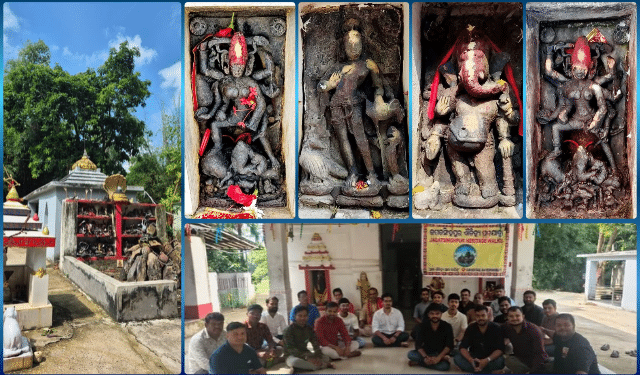
Walks (JHW) took heritage enthusiasts to the ancient Jhankeswar Mahadev Temple
at Birittola village in Tirtol block, offering a fascinating glimpse into the
region's Shaivite traditions and its deep-rooted association with the iconic
Maa Sarala shrine.
The temple, also known as Jhankadeswar
Mahadev, is an important heritage landmark of the historically significant
Jhankad Kshetra. Believed to date back to the 9th-10th century AD, the shrine
is considered contemporaneous with the renowned Sarala Temple at Jhankad.
Although the present temple structure is a modern construction, it preserves
several valuable archaeological relics that testify to its antiquity and
religious significance.
Among the remarkable sculptural remains found
at the shrine is an exquisite idol of Uma-Maheshwara, accompanied by
representations of several attendant deities, including Ajaikapada Bhairava,
Mahishamardini Durga, Astika-Jaratkaru, Ganesha, Kartikeya and Parvati. These
sculptures offer valuable insights into the artistic traditions and religious
practices that flourished in the region.
Ranjan Kumar Panda, chief priest of the Sarala
Temple, who attended the programme as the chief speaker, provided an
illuminating account of the historical and spiritual connections linking Maa
Sarala, Adi Kavi Sarala Das, Nanda Deula, the Vruddha Nadi and the Jhankeswar
Mahadev Temple. Drawing upon his research and writings in his book Sri Chandi Sarala Madala, Panda narrated
several interesting anecdotes that enriched participants' understanding of the
region's cultural heritage.
Historical accounts suggest that the original
shrine flourished during the period when the Somavamsi rulers patronised
Shaivism in Odisha. Following a phase of desecration and neglect, the sacred
site was reportedly revived and reconstructed in the early 19th century through
the efforts of local rulers and devotees.
The religious landscape of Jhankad reflects a
unique confluence of Shaivism and Shaktism, with the worship of Lord Shiva
complementing the veneration of Maa Sarala, the presiding deity of the region.
A visit to the Jhankeswar Mahadev shrine has traditionally formed an integral
part of the pilgrimage associated with the revered Sarala Shakti Pitha.
The region also shares a deep cultural
association with the 15th-century saint-poet Sarala Das, originally known as
Sidheshwar Parida, who is celebrated for composing the Odia Mahabharata. Local traditions associate his spiritual journey
and literary achievements with the blessings of the deities of Jhankad.
Twenty-five heritage enthusiasts participated
in the walk, which was led by JHW convenor Srikant Singh. The initiative
highlighted the importance of documenting, preserving and promoting
lesser-known historical monuments that form an integral part of Odisha's
civilisational and cultural identity.
Biswaranjan Dehury, convenor of Odisha
Heritage Walks, the umbrella organisation coordinating district-level heritage
walks, announced that Jajpur Heritage Walks would commence its monthly
programmes in the first week of December.