
THEBUSINESSBYTES
BUREAU
BHUBANESWAR,
JUNE 4, 2026
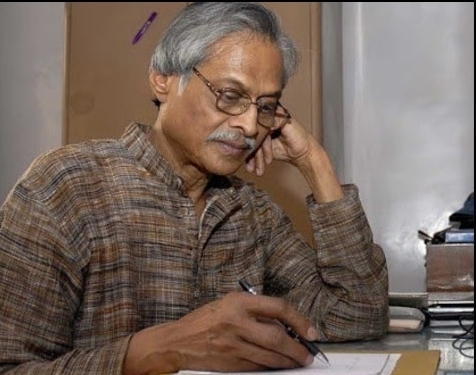
Odisha bid farewell to one of its most
distinguished cultural luminaries as renowned poet, playwright, art historian
and former bureaucrat Jagannath Prasad Das, popularly known as JP Das, passed
away at his residence in Bhubaneswar on Wednesday night. He was 90.
A towering figure in Odisha’s literary
and cultural landscape, JP Das leaves behind an extraordinary legacy that seamlessly
bridged public administration, literature, theatre and art history. His passing
marks the end of an era in Odia intellectual and creative life.
Born in Puri district on April 26,
1936, Das joined the Indian Administrative Service in 1958 and earned
widespread appreciation for his dedicated relief work during the Kalahandi
famine of 1965-66. In a rare and courageous move, he opted for voluntary
retirement in 1984 to devote himself entirely to literature, scholarship and
the arts.
As a poet, JP Das emerged as one of
the foremost modernist voices in Odia literature. His celebrated collections,
including Prathama Purusha, Ahnika and Parikrama, captivated readers with their philosophical depth,
introspective tone and innovative style. His literary stature was recognised
nationally when he received the prestigious Saraswati Samman in 2006. Earlier,
he had declined the Sahitya Akademi Award, a decision that reflected his deeply
held convictions and independent spirit.
His creative genius extended beyond poetry.
Through experimental plays such as Suryasta
Purbaru and Sundara Das, he
expanded the horizons of Odia theatre, while his historical novel Desha Kala Patra demonstrated his
mastery over narrative and history. As founder-president of the Poetry Society
(India), a role he held for 14 years, he tirelessly championed writers and
nurtured literary discourse across the country.
A gifted bilingual writer and
translator, Das played a pivotal role in introducing Odia literature to
international audiences through translations to and from Swedish, Urdu, French
and English. His contributions to art history were equally significant.
Scholarly works such as Puri Paintings
(1982) and Palm Leaf Miniatures
(1991) remain seminal references for students and researchers of Odisha’s rich
artistic heritage.
With his death, Odisha has lost one of
its most versatile and influential cultural icons — a scholar whose life
embodied intellectual curiosity, artistic excellence and public service. Yet
his words, ideas and scholarship will continue to inspire generations, ensuring
that the legacy of JP Das endures far beyond his lifetime.