
THEBUSINESSBYTES
BUREAU
NEW
DELHI, APRIL 7, 2026
In a landmark
achievement for India’s nuclear energy programme, the 500 MWe Prototype Fast
Breeder Reactor (PFBR) at Kalpakkam has successfully attained first criticality
— the start of a controlled fission chain reaction — on April 6, 2026 at 08:25
PM, marking a historic step towards long-term energy security and advancement
of indigenous nuclear technology capabilities.
 The critical
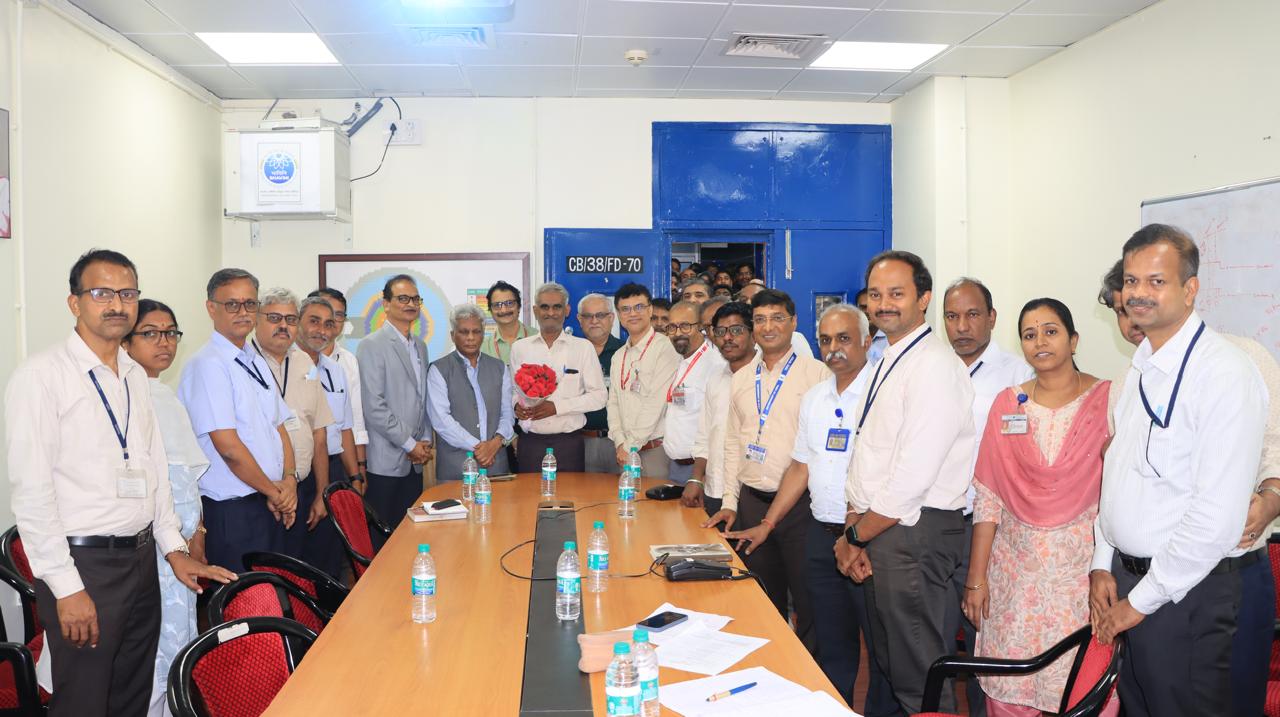
milestone was achieved in the presence of Dr Ajit Kumar Mohanty, Secretary,
Department of Atomic Energy (DAE) and Chairman, Atomic Energy Commission (AEC),
along with Sreekumar G. Pillai, Director of Indira Gandhi Centre for Atomic
Research, Allu Ananth, CMD-in-Charge of Bharatiya Nabhikiya Vidyut Nigam
Limited, and K.V. Suresh Kumar, Former CMD of BHAVINI and Homi Sethna Chair.
The Atomic Energy Regulatory Board granted clearance following a rigorous
safety review of plant systems before the reactor reached this critical stage.
The critical
milestone was achieved in the presence of Dr Ajit Kumar Mohanty, Secretary,
Department of Atomic Energy (DAE) and Chairman, Atomic Energy Commission (AEC),
along with Sreekumar G. Pillai, Director of Indira Gandhi Centre for Atomic
Research, Allu Ananth, CMD-in-Charge of Bharatiya Nabhikiya Vidyut Nigam
Limited, and K.V. Suresh Kumar, Former CMD of BHAVINI and Homi Sethna Chair.
The Atomic Energy Regulatory Board granted clearance following a rigorous
safety review of plant systems before the reactor reached this critical stage.
The technology
development and design of the PFBR was carried out indigenously by IGCAR, a
premier research and development centre under the Department of Atomic Energy,
while construction and commissioning were undertaken by BHAVINI, a public
sector undertaking under the DAE. The milestone underscores India’s growing
capability in designing and implementing advanced nuclear technologies using
largely indigenous expertise and components.
Fast Breeder Reactors
form a cornerstone of India’s long-term nuclear strategy. Unlike conventional
thermal reactors, the PFBR uses Uranium-Plutonium Mixed Oxide (MOX) fuel and is
surrounded by a blanket of Uranium-238. Fast neutrons convert this fertile
Uranium-238 into fissile Plutonium-239, enabling the reactor to generate more
fuel than it consumes. The reactor is also designed for future use of
Thorium-232 in the blanket, which through transmutation will produce
Uranium-233 — the fuel for the third stage of India’s nuclear power programme.
This unique
capability significantly enhances utilisation of nuclear fuel resources and
allows India to extract substantially greater energy from limited uranium
reserves, while laying the foundation for large-scale use of the country’s
abundant thorium resources in the future.
With the attainment
of first criticality, India moves closer to realising the full potential of its
three-stage nuclear power programme. Fast breeder technology serves as the
crucial bridge between the current fleet of pressurised heavy water reactors
and future thorium-based reactors, enabling sustainable and long-term clean
energy generation.
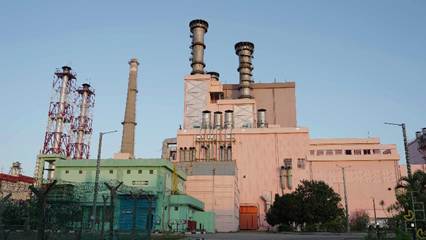 The PFBR incorporates
advanced safety systems, high-temperature liquid sodium coolant technology and
a closed fuel cycle approach that enables recycling of nuclear materials,
improving sustainability and minimising waste. The project reflects the
dedication of scientists, engineers, technicians and industry partners who have
contributed to the design, fabrication and construction of the reactor using
predominantly indigenous technologies, reinforcing the national vision of
technological self-reliance under Atmanirbhar Bharat.
The PFBR incorporates
advanced safety systems, high-temperature liquid sodium coolant technology and
a closed fuel cycle approach that enables recycling of nuclear materials,
improving sustainability and minimising waste. The project reflects the
dedication of scientists, engineers, technicians and industry partners who have
contributed to the design, fabrication and construction of the reactor using
predominantly indigenous technologies, reinforcing the national vision of
technological self-reliance under Atmanirbhar Bharat.
Beyond energy production, the fast breeder programme strengthens India’s strategic capabilities in nuclear fuel cycle technologies, advanced materials, reactor physics and large-scale engineering. The expertise and infrastructure developed through this initiative are expected to support future reactor designs and next-generation nuclear technologies.
As India expands its clean energy portfolio, fast breeder reactors are expected to play a critical role in providing reliable, low-carbon base-load power with improved thermal efficiency. The achievement of first criticality at Kalpakkam represents not only a major technological milestone but also a decisive step toward a sustainable, secure and self-reliant energy future for Viksit Bharat.